• Skip to primary navigation
  • Skip to main content
  • Skip to primary sidebar
  • Skip to footer
  • Bluesky
  • Facebook
  • Instagram
  • Twitter
  • YouTube
CDE Almería – Centro de Documentación Europea – Universidad de Almería

CDE Almería - Centro de Documentación Europea - Universidad de Almería

Centro de Documentación Europea de la Universidad de Almería

  • HOME
  • WHAT´S ON
    • EU NEWS
    • Activities
    • EU Calls and Awards
    • Radio Program «Europe with You»
  • DOCUMENTATION
    • EU Media Collection
      • Web Space
      • MEDIATHEQUE REPOSITORY
  • Europe on the net
    • Institutions
    • EU Representation in Spain
    • European information network of Andalusia
  • ABOUT US
    • Presentation
    • Services
    • People
    • Contact
  • Spanish
  • English

The Spanish Congress approves the transposition of a directive that improves the conditions for breastfeeding and paternity leave

Inicio » EU News » Law » Legislation » The Spanish Congress approves the transposition of a directive that improves the conditions for breastfeeding and paternity leave

26 de June de 2024

The Royal Decree-Law completes the transposition of Directive (EU) 2019/1158 regulating the work-life balance of parents and carers in the European Union.
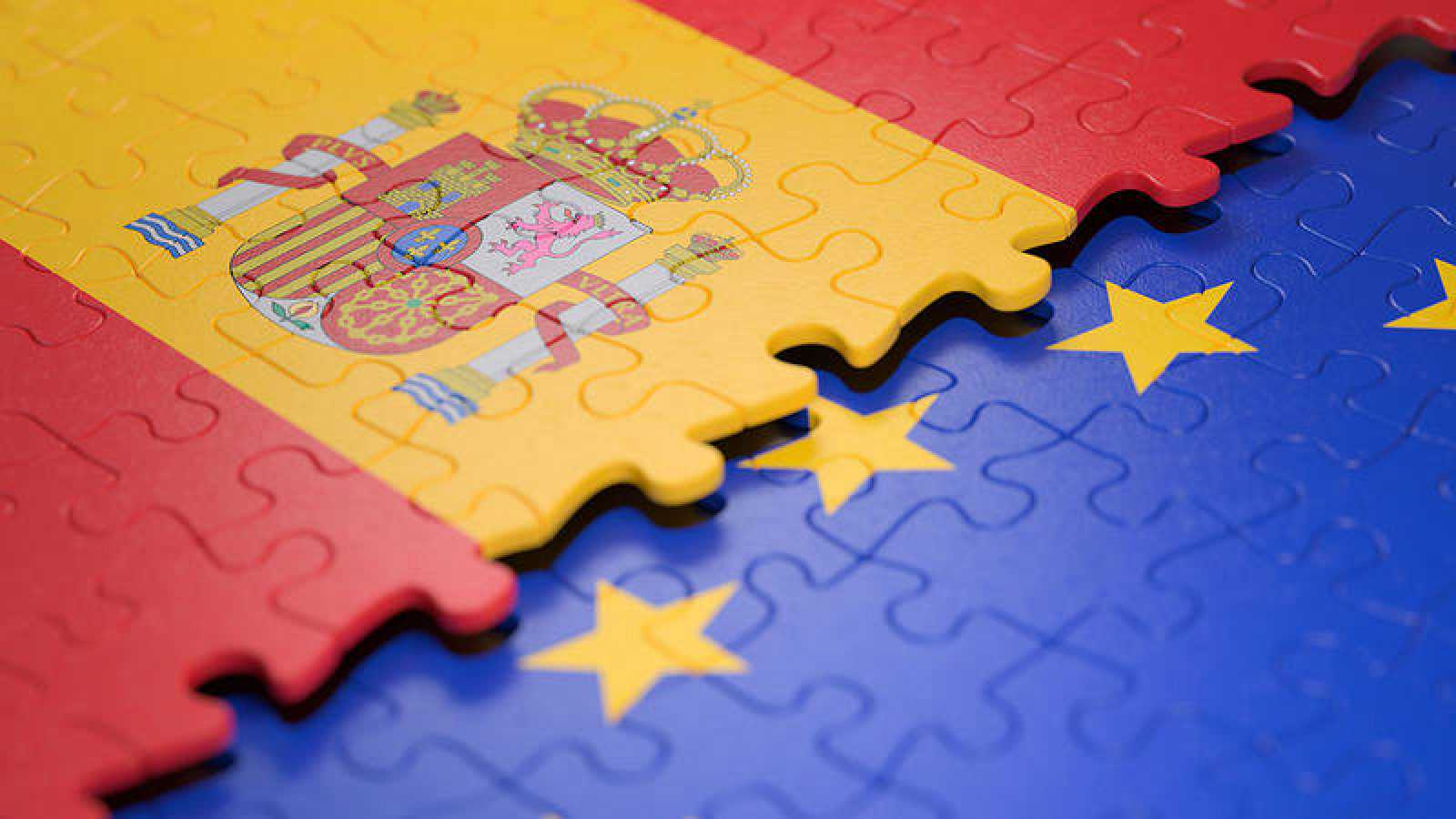
españa europa

The Congress of Deputies last week gave its approval to Royal Decree-Law 2/2024 of 21 May which, among other measures, strengthens parental leave and improves the conditions for exercising the right to breastfeeding.

The Royal Decree-Law was approved by the Council of Ministers to complete the transposition into Spanish law of Directive (EU) 2019/1158 of the European Parliament and of the Council of 20 June 2019 on the reconciliation of family and working life for parents and carers and repealing Council Directive 2010/18/EU.

This directive establishes minimum requirements related to paternity, parental and carers’ leave and flexible working arrangements for workers with carers.

In order to adapt to these requirements, the Royal Decree-Law introduces amendments to the revised text of the Workers’ Statute relating to:

  • Breastfeeding leave: the regulation modifies the revised text of the Workers’ Statute Law so that it is the worker herself who chooses whether to take an hour’s leave per day to care for the baby or to reduce the working day or accumulate breastfeeding periods.
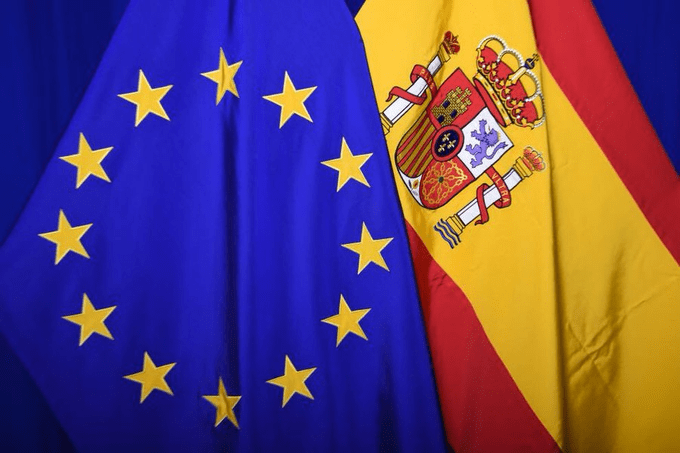
Commission refers Spain to the Court of Justice of the EU for failure to fully transpose the directive on reconciliation of work and family life


The difference with the previous regime lies in the fact that, from now on, it will not be necessary for the Collective Agreement to expressly stipulate how to take advantage of this breastfeeding regime, nor for the company and the worker to agree on it in advance. In other words, anyone can now exercise this right, not just those who have it regulated by agreement.

  • Flexible working hours for public employees: the Royal Decree also amends the Law on the Basic Statute for Public Employees, so that it expressly includes formulas for flexible working hours that benefit any public employee who is responsible, for serious medical reasons, for the care of people with whom they live.

Labour-related developments

In addition to the aspects related to the directive, the Royal Decree-Law also includes new labour-related developments and several measures to simplify and improve unemployment benefits, thereby complying with the reforms committed to with the European Commission as set out in Component 23 of the Recovery, Transformation and Resilience Plan.

Following the plenary session of 20 May, this Royal Decree-Law 2/2024 of 21 May has been validated and now begins its parliamentary processing as a draft law.

Source: European Parliament Office in Spain

Publicaciones relacionadas:

Hombre viaja con maleta en aeropuertoEU agrees to start lifting travel restrictions for residents of some third countries EU reaches political agreement on updated enforcement regulation estadio de futbolStop illegal live sports streaming, urge MEPs Council of Europe urges Belarus and Armenia to address electoral reforms Parliament calls for justice and reforms in Malta



EU News,  Law,  Legislation Directiva,  permisos de paternidad,  trasposición

“This is a space for debate. All comments, for or against publication, that are respectful and do not contain expressions that are discriminatory, defamatory or contrary to current legislation will be published”.

Reader Interactions

Leave a Reply Cancel reply

Your email address will not be published. Required fields are marked *

This site uses Akismet to reduce spam. Learn how your comment data is processed.

Primary Sidebar

Footer

  • CDE Almería
  • Biblioteca Nicolás Salmerón – Universidad de Almería
  • Planta: 1ª, Despacho: 1.05.0B.
  • Ctra. Sacramento s/n. Almería (Spain)
  • Teléfono: (+34) 950 015266

HOME
NEWS
DOCUMENTATION
EUROPE ON THE NET
ABOUT US

  • LEGAL NOTICE
  • PRIVACY POLICY
  • COOKIE POLICY
  • ACCESSIBILITY
  • SITEMAP

Copyright © 2026 CDE Almería · Creative Commons LicenseThis work is licensed under a Creative Commons Attribution-NonCommercial 4.0 International License.

<p>El Centro de Documentación Europea de la Universidad de Almería utiliza cookies propias y de terceros para facilitar al usuario la navegación en su página Web y el acceso a los distintos contenidos alojados en la misma. Asimismo, se utilizan cookies analíticas de terceros para medir la interacción de los usuarios con el sitio Web. Pinche el siguiente enlace si desea información sobre el uso de cookies y como deshabilitarlas. </p>

Politica de privacidad

El Centro de Documentación Europea de la Universidad de Almería utiliza cookies propias y de terceros para facilitar al usuario la navegación en su página Web y el acceso a los distintos contenidos alojados en la misma. Asimismo, se utilizan cookies analíticas de terceros para medir la interacción de los usuarios con el sitio Web. Pinche el siguiente enlace si desea información sobre el uso de cookies y como deshabilitarlas. <a href="/politica-de-cookies" rel="noopener" target="_blank">Más información</a>

Cookies estrictamente necesarias

Las cookies estrictamente necesarias tiene que activarse siempre para que podamos guardar tus preferencias de ajustes de cookies.

Básicamente la web no funcionara bien si no las activas.

Estas cookies son:

  • Comprobación de inicio de sesión.
  • Cookies de seguridad.
  • Aceptación/rechazo previo de cookies.
Cookies de terceros

Esta web utiliza Google Analytics, Google Tag Manager y Yandex Metrika para recopilar información anónima tal como el número de visitantes del sitio, o las páginas más populares.

Dejar estas cookies activas nos permite mejorar nuestra web.

Política de cookies

Pinche el siguiente enlace si desea información sobre el uso de cookies y como deshabilitarlas. Más información