
The EU aims to put an end to greenwashing, when companies claim to be greener than they are, and provide more information to consumers on the durability of products they buy.
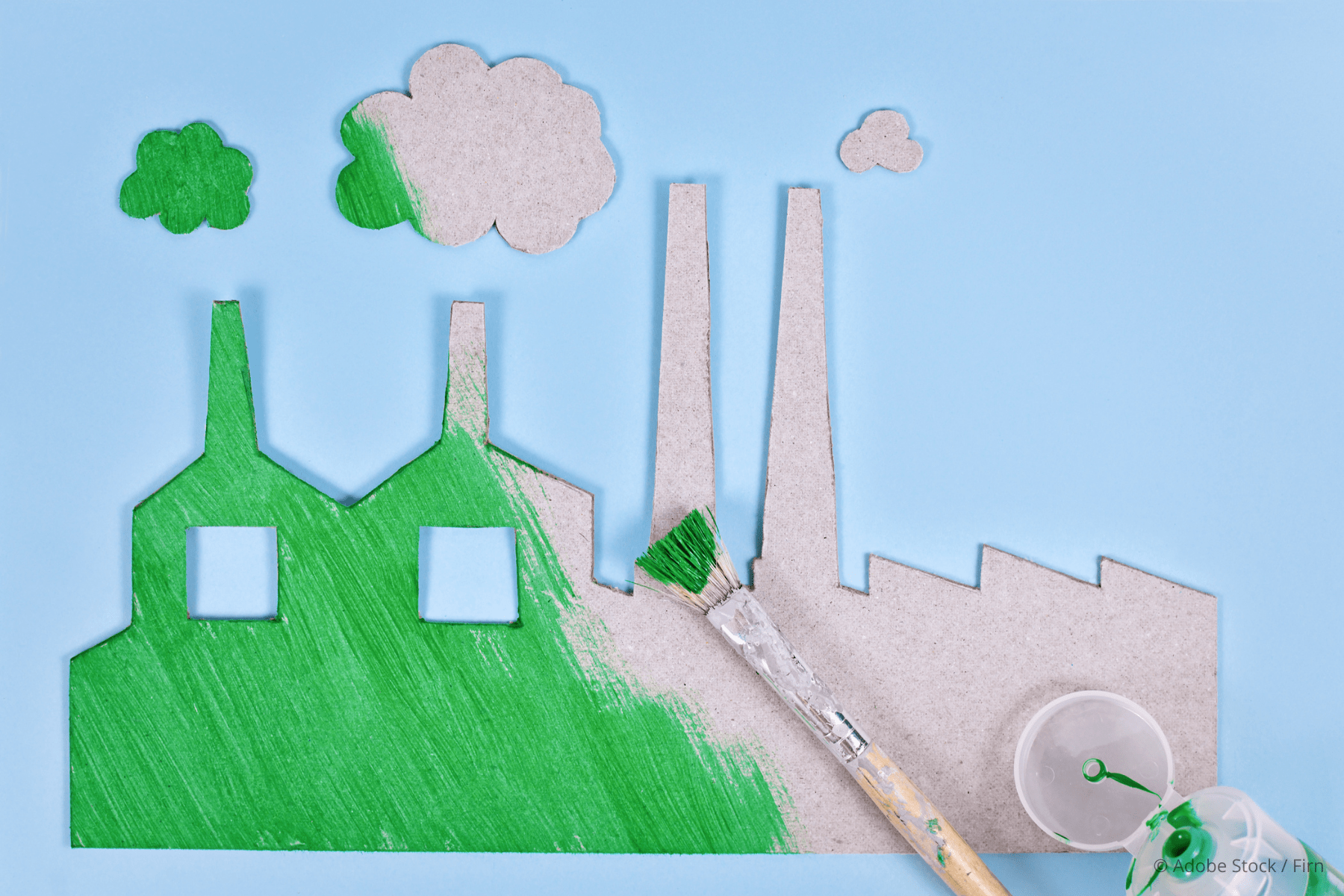
In order to better protect consumers’ rights, promote environmentally-friendly decisions and create a circular economy that reuses and recycles materials, the European Parliament is working on an update of existing rules regarding commercial practices and consumer protection.
Banning greenwashing
Natural, eco, environmentally-friendly… Many products have these labels, but very often those claims are not proven. The EU wants to make sure that all information on a product’s impact on the environment, longevity, reparability, composition, production and usage is backed up by verifiable sources.
What is greenwashing?
The practice of giving a false impression of the environmental impact or benefits of a product, which can mislead consumers
To achieve that, the EU will ban:
- generic environmental claims on products without proof
- claims that a product has a neutral, reduced or positive impact on the environment because the producer is offsetting emissions
- sustainability labels that are not based on approved certification schemes or established by public authorities
Spanish city Viladecans, winner of the European Green Leaf 2025 Award
|
Promoting products’ durability
Parliament wants to make sure that consumers are fully aware of the guarantee period during which consumers can request a repair of faulty products at the expense of the seller. Under EU law, products have a guarantee of minimum two years. Updated consumer protection rules introduce a new label for products with an extended guarantee period.
The EU will also ban:
- advertising goods that have design features that could reduce a product’s lifespan
- making unproven durability claims in terms of usage time or intensity under normal conditions
- presenting goods as repairable when they are not
Background and next steps
In March 2022, the European Commission proposed to update EU consumer rules to support the green transition. In September 2023, Parliament and Council reached a provisional agreement on the updated rules.
MEPs will vote on the agreement in January 2024, while the Council has to approve it as well. EU countries will then have 24 months to incorporate the update into their national law.
What else is the EU doing to promote sustainable consumption?
The EU is working on other files with the aim to protect consumers and promote sustainable consumption:
- Green claims: the EU wants to require companies to substantiate environmental claims by using a standard methodology
- Ecodesign: the EU wants to introduce minimum standards in product development to make nearly all products on its market sustainable, durable and eco-friendly
- Right to repair: the EU wants to guarantee the right of consumers to have products repaired and promote repairing over throwing away and buying new products.
Source: European Parliament
Publicaciones relacionadas:
 Taxonomy: MEPs object to Commission’s plan to include gas and nuclear activities
 European Parliament approves 5 key new laws to reach the 2030 climate target
 European Parliament proposes stricter rules to stamp out fast fashion
 The EU wants to introduce minimum standards to make nearly all products on its market sustainable
 European Parliament approves law on sustainable marine fuels
Leave a Reply