
We are living in the most momentous and dangerous of times. I do not need to describe the grave nature of the threats that we face. Or the devastating consequences that we will have to endure if those threats would come to pass. Because the question is no longer whether Europe’s security is threatened in a very real way. Or whether Europe should shoulder more of the responsibility for its own security. In truth, we have long known the answers to those questions. The real question in front of us is whether Europe is prepared to act as decisively as the situation dictates. And whether Europe is ready and able to act with the speed and the ambition that is needed. In the various meetings in the last few weeks – most recently two days ago in London – the answer from European capitals has been as resounding as it is clear. We are in an era of rearmament. And Europe is ready to massively boost its defence spending. Both, to respond to the short-term urgency to act and to support Ukraine but also to address the long-term need to take on much more responsibility for our own European security.
This is why today I have written a letter to Leaders ahead of Thursday’s European Council. This is why we are here together today. And I have outlined in this letter to the leaders the ReArm Europe Plan. This set of proposals focuses on how to use all of the financial levers at our disposal – in order to help Member States to quickly and significantly increase expenditures in defence capabilities. Urgently now but also over a longer time over this decade. There are five parts to this.
- The first part of this ReArm Europe plan is to unleash the use of public funding in defence at national level. Member States are ready to invest more in their own security if they have the fiscal space. And we must enable them to do so. This is why we will shortly propose to activate the national escape clause of the Stability and Growth Pact. It will allow Member States to increase significantly their defence expenditures without triggering the Excessive Deficit Procedure. For example: If Member States would increase their defence spending by 1,5% of GDP on average this could create fiscal space of close to EUR 650 billion over a period of four years.
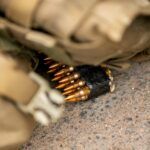
- The second proposal will be a new instrument. It will provide EUR 150 billion of loans to Member States for defence investment. This is basically about spending better – and spending together. We are talking about pan-European capability domains. For example: air and missile defence, artillery systems, missiles and ammunition drones and anti-drone systems; but also to address other needs from cyber to military mobility for example. It will help Member States to pool demand and to buy together. Of course, with this equipment, Member States can massively step up their support to Ukraine. So, immediate military equipment for Ukraine. This approach of joint procurement will also reduce costs, reduce fragmentation increase interoperability and strengthen our defence industrial base. And it can be to the benefit of Ukraine, as I have just described. So this is Europe’s moment, and we must live up to it.
- Third point is using the power of the EU budget. There is a lot that we can do in this domain in the short term to direct more funds towards defence-related investments. This is why I can announce that we will propose additional possibilities and incentives for Member States that they will decide, if they want to use cohesion policy programmes, to increase defence spending.
- The last two areas of action aim at mobilising private capital by accelerating the Savings and Investment Union and through the European Investment Bank.
To conclude: Europe is ready to assume its responsibilities. ReArm Europe could mobilise close to EUR 800 billion for a safe and resilient Europe. We will continue working closely with our partners in NATO. This is a moment for Europe. And we are ready to step up.
Ursula von der Leyen, President of the European Commission, 4 March 2025.
More information: European Commission.
Publicaciones relacionadas:
 Statement by President von der Leyen with Ukrainian President Zelenskyy on the occasion of her visit to Kyiv
 Ukraine: Commission waives customs duties and VAT
 EU Commission accelerates work to strengthen the resilience of EU critical infrastructure
 EU and NATO sign a new joint declaration on cooperation
 “We must be better, stronger and faster”: European leaders’ defence conclusions
Leave a Reply