
The Belgian presidency of the Council of the EU and European Parliament negotiators today reached a provisional deal on amending the EU law that sets out the rules for the functioning of the Schengen area both at external and internal borders. The agreed changes, which will require approval and formal adoption by both institutions, will boost EU coordination and improve the toolbox available to member states when challenges at the EU’s borders arise.
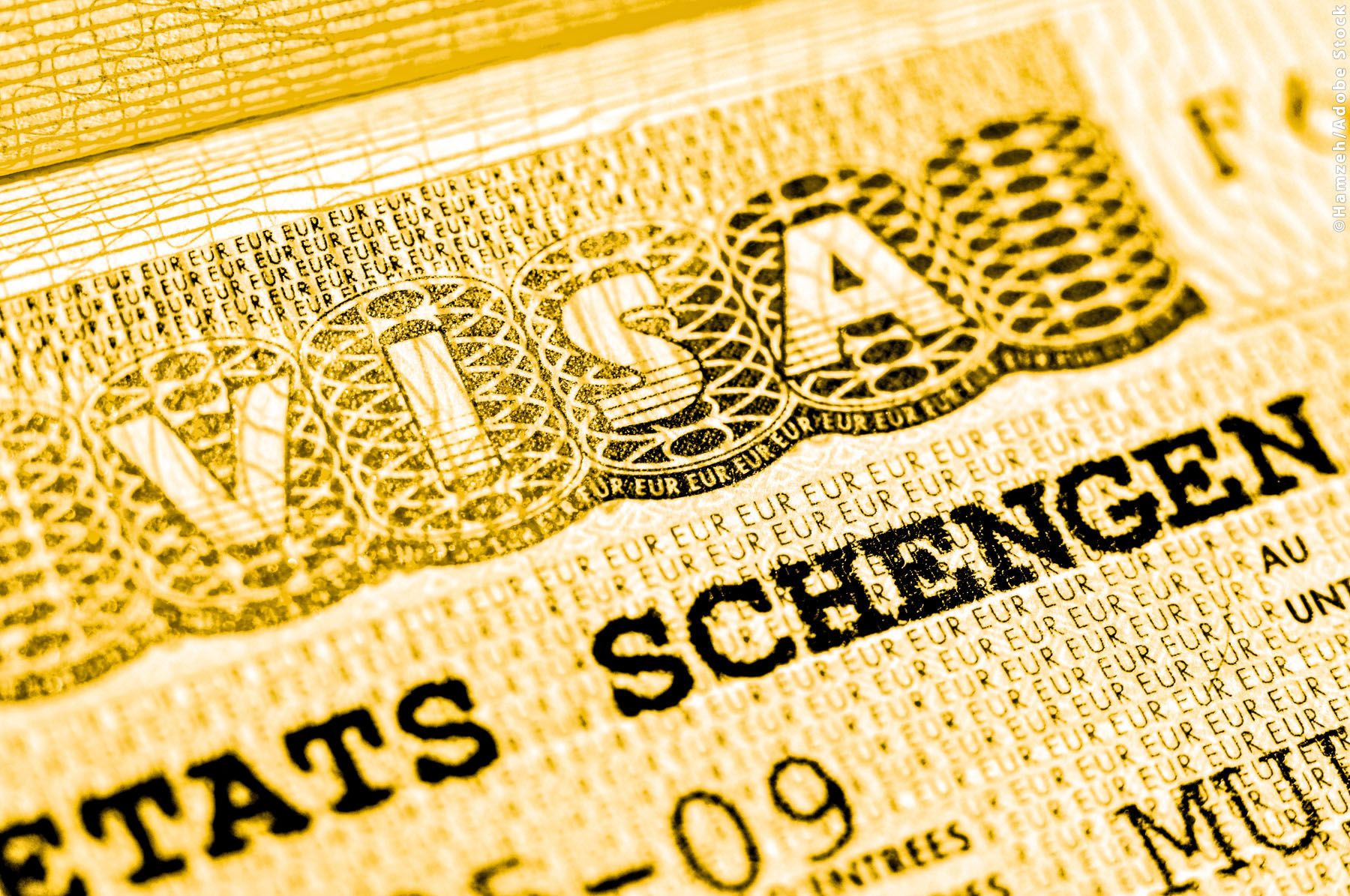
The update in particular clears up rules related to the reintroduction of border controls ensuring they remain a measure of last resort, offers solutions to situations where migrants are instrumentalised and provides the possibility to introduce common measures to harmonised travel restrictions in case of a public health emergency.
Fighting the instrumentalisation of migration flows
The amended Schengen borders code will offer member states new measures for managing the EU’s external borders effectively in a situation where migrants are instrumentalised for political purposes. This includes limiting the number of border crossing points or reducing their opening hours.
Instrumentalisation is a situation in which a third country or non-state actor encourages or facilitates the movement of third-country nationals towards the EU’s external borders in order to destabilise the EU or a member state.
Reintroduction of internal border controls
The agreed text clarifies and strengthens the framework for the reintroduction and prolongation of internal border controls. Member states may reintroduce controls as an exception when there is a serious threat to public policy or internal security. They will need to assess the necessity and proportionality of this reintroduction and assess whether the objectives pursued cannot be attained by other measures, including alternative measures.
According to the new rules, if threats to public policy or security are unforeseeable, controls can be introduced immediately with the Commission, other member states and the European Parliament being notified at the same time. Such controls are limited for a period of up to one month and can only be prolonged for a maximum duration of three months.
Internal border controls for foreseeable threats, which have been notified to the Commission, member states and the European Parliament before being reintroduced, may remain in place for a period of up to six months. They may be prolonged for renewable periods of up to six months, with a maximum duration of two years. In major exceptional situations in respect to a persisting threat, internal border controls may be prolonged beyond two years, for a maximum of 6 additional months, renewable once for a total duration of one year.
Promotion of alternative measures
Another update to the Schengen borders code on which the presidency and the European Parliament agreed concerns the use of alternative measures to internal border controls.
The use of such alternative measures will allow member states to substantially limit the possible reintroduction of internal border controls, thereby safeguarding security while ensuring the area of free movement without internal border controls.
The new code also introduces alternative measures to counter unauthorised movements of third-country nationals staying illegally in the Schengen area. A new procedure will allow a member state to transfer third-country nationals apprehended in the border area and staying illegally in its territory to the member state from which they arrived directly. The apprehension should take place in the context of a bilateral cooperation framework.
External border measures in the event of a health crisis
Under the new Schengen borders code, the Council can adopt a decision to allow temporary travel restrictions at the external border if there is a large scale public health emergency. During the COVID-19 pandemic, the EU was only able to issue non-binding recommendations to member states.
The decision may also include health related travel restrictions such as testing, quarantine and self-isolation.
Certain categories of people – persons enjoying the right of free movement, long-term residents and beneficiaries of international protection – will be exempted from the entry restrictions.
More information: Council of the EU
Publicaciones relacionadas:
 The Council adopted three Regulations aimed at implementing the solutions agreed jointly with the United Kingdom
 Guatemala: Council establishes dedicated framework of restrictive measures in support of democracy
 SOTEU 2020: President Von der Leyen sets the course for Europe
 EU-US: A new transatlantic agenda for global change
 Nearly 70 billion euros in Spain’s Recovery Plan
Leave a Reply