
The Council established a dedicated framework for restrictive measures in support of democracy and a peaceful and orderly transfer of power in Guatemala.
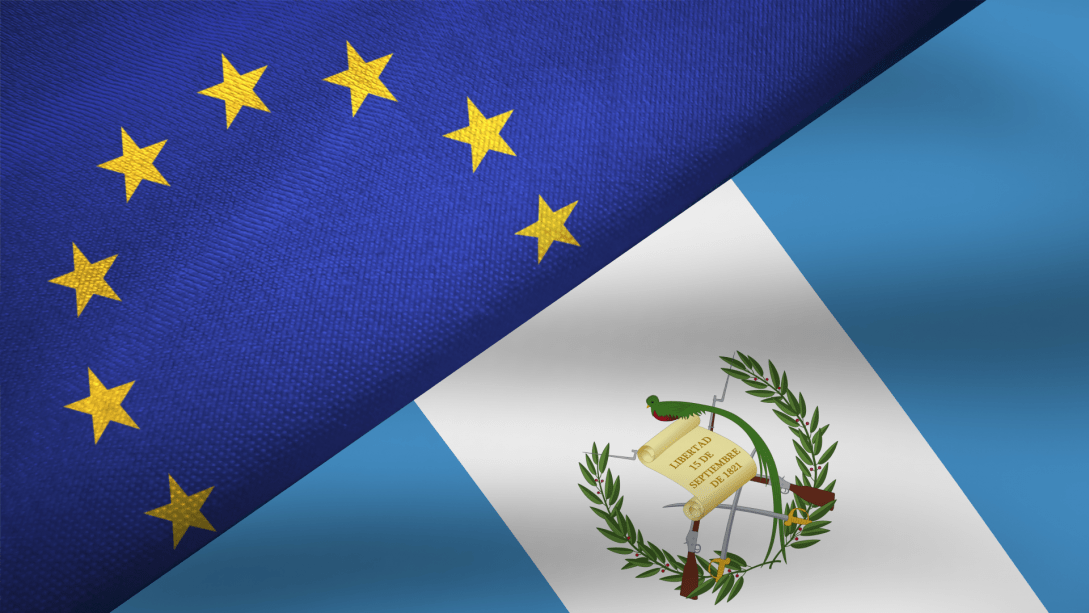
This decision will allow the European Union to hold accountable those obstructing a democratic transition following the 2023 general elections, which resulted in a clear victory of President-elect Bernardo Arévalo, as attested by the EU Election Observation Mission (EOM) to Guatemala.
Thanks to this new framework, the EU will be able to impose restrictive measures against individuals and entities responsible for actions that undermine democracy, the rule of law and a peaceful transfer of power in Guatemala, including through persecution or intimidation of public officials, democratically-elected authorities, civil society, media and judicial operators among others, as well as through financial misconduct concerning public funds and the unauthorised export of capital.
Any targeted restrictive measures shall consist of a travel restriction for individuals and an asset freeze for individuals and entities. In addition, persons and entities in the EU shall be forbidden from making funds and economic resources available to those listed.
The EU as a long-standing partner of Guatemala, remains fully committed to support inclusive and sustainable development in the country to the benefit of all. Promoting and strengthening democratic governance and the rule of law is always an indispensable part of this effort.
Guatemala: European Parliament condemns coup attempt and calls for Arévalo to be sworn in in January |
Background
On 28 August 2023, the Supreme Electoral Tribunal of Guatemala declared the official results of the second round of the presidential elections held in the country on 20 August 2023.
On 5 October 2023, High Representative of the Union for Foreign Affairs and Security Policy issued a statement on behalf of the EU expressing deep concern over persistent attempts to undermine the election results through selective and arbitrary legal and procedural actions in line neither with Guatemala’s constitution nor international and regional standards subscribed to by Guatemala and stating that further actions to overturn the outcome of the elections and undermine democracy and the rule of law would have an impact on Guatemala’s relations with the EU.
On 8 December 2023, High Representative of the Union for Foreign Affairs and Security Policy issued a statement condemning attempts to nullify the results of the general and presidential elections in Guatemala, based on spurious allegations of fraud and stated accountability should be sought for those obstructing a democratic transition. The EU agreed in principle to adopt a framework allowing for targeted restrictive measures against those responsible for these actions.
The EU High Representative for Foreign Affairs and Security Policy, Josep Borrell will be attending the inauguration of President Bernardo Arévalo on Sunday 14 January 2024.
More information: Council of the EU
Publicaciones relacionadas:
 The European Union deploys an Election Observation Mission in Paraguay
 European Union deploys an Election Observation Mission in Guatemala
 The Council adopted three Regulations aimed at implementing the solutions agreed jointly with the United Kingdom
 According to the latest Eurobarometer, citizens are aware of the impact of the EU on their lives
 European Parliament regrets the deterioration of democracy and human rights in Cuba
Leave a Reply