• Skip to primary navigation
  • Skip to main content
  • Skip to primary sidebar
  • Skip to footer
  • Bluesky
  • Facebook
  • Instagram
  • Twitter
  • YouTube
CDE Almería – Centro de Documentación Europea – Universidad de Almería

CDE Almería - Centro de Documentación Europea - Universidad de Almería

Centro de Documentación Europea de la Universidad de Almería

  • HOME
  • WHAT´S ON
    • EU NEWS
    • Activities
    • EU Calls and Awards
    • Radio Program «Europe with You»
  • DOCUMENTATION
    • EU Media Collection
      • Web Space
      • MEDIATHEQUE REPOSITORY
  • Europe on the net
    • Institutions
    • EU Representation in Spain
    • European information network of Andalusia
  • ABOUT US
    • Presentation
    • Services
    • People
    • Contact
  • Spanish
  • English

Preventing the abuse of biometric recognition technology

Inicio » Noticias UE » Defence & Security » Preventing the abuse of biometric recognition technology

9 de April de 2025

Europol’s tech experts team up with practitioners and academia to spearhead research against the potential exploitation of biometric identification systems.
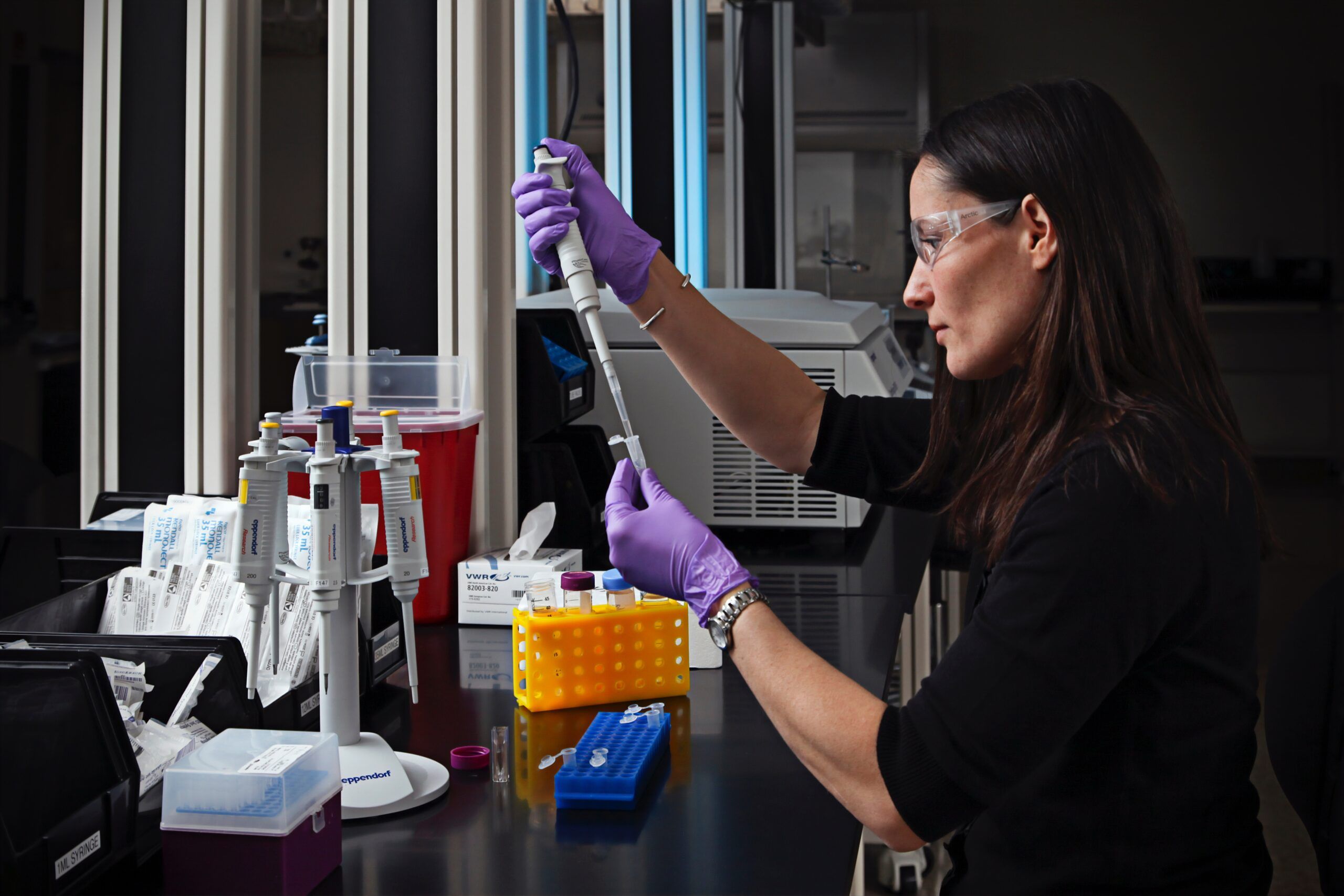
A new Europol report looks at the ubiquitous biometric recognition technology and its potential for exploitation by criminals. Biometric recognition technology is a trusted and reliable way to verify identities and is now widely used to protect personal electronic devices and sensitive accounts. Fingerprint scans or facial recognition technology are increasingly replacing passwords to make logging in or confirming payment effortless. But this convenience presents new threats that need to be acknowledged by law enforcement and the general public. A password can be updated, but biometrics cannot.

Although biometric recognition systems are generally robust, provided they are well-secured and implemented correctly, academic research shows that there are ways to trick these systems. Examples include the use of masks, artificial fingerprints or deepfakes to bypass biometric authentication mechanisms. As authentication increasingly relies on biometric identification, it is crucial for law enforcement to understand the associated vulnerabilities.

By researching and identifying how criminals might exploit weaknesses, authorities can take more effective and targeted countermeasures. This new Europol report identifies potential ways of exploiting vulnerabilities, thus enabling law enforcement agencies to update their systems and detect such incidents during investigations.

Building on expertise to stay ahead of tech-savvy criminals 

Law enforcement must work closely with experts in the field to gain insight into potential attacks, so that any attempts at exploitation will be detected early on. Encouraging collaboration across relevant disciplines, such as biometrics, forensics and cybersecurity, is essential to staying ahead of this threat. Authorities must also take steps to detect and document any attempted attacks to understand the progress criminals are making in exploiting potential weaknesses in biometric recognition systems. The report shows how law enforcement and academic experts have joined forces to identify and address the challenges posed by these technological developments, with a view to strengthening their community and keeping European citizens safe.

More information: Europol

Publicaciones relacionadas:
The DNA of organised crime is changing, as well as the threat to Europe 12 members of an Irish high-risk criminal network arrested Latest study on Europe’s ecstasy market reveals new trends in production and trafficking Global crackdown on Kidflix, a major child sexual exploitation platform with almost two million users Network smuggling migrants between Spain and France busted in Marseille




Defence & Security,  EU News biometric recognition,  Crime,  European Union,  Europol,  News,  Technology

“This is a space for debate. All comments, for or against publication, that are respectful and do not contain expressions that are discriminatory, defamatory or contrary to current legislation will be published”.

Reader Interactions

Leave a Reply Cancel reply

Your email address will not be published. Required fields are marked *

This site uses Akismet to reduce spam. Learn how your comment data is processed.

Primary Sidebar

Footer

  • CDE Almería
  • Biblioteca Nicolás Salmerón – Universidad de Almería
  • Planta: 1ª, Despacho: 1.05.0B.
  • Ctra. Sacramento s/n. Almería (Spain)
  • Teléfono: (+34) 950 015266

HOME
NEWS
DOCUMENTATION
EUROPE ON THE NET
ABOUT US

  • LEGAL NOTICE
  • PRIVACY POLICY
  • COOKIE POLICY
  • ACCESSIBILITY
  • SITEMAP

Copyright © 2026 CDE Almería · Creative Commons LicenseThis work is licensed under a Creative Commons Attribution-NonCommercial 4.0 International License.

<p>El Centro de Documentación Europea de la Universidad de Almería utiliza cookies propias y de terceros para facilitar al usuario la navegación en su página Web y el acceso a los distintos contenidos alojados en la misma. Asimismo, se utilizan cookies analíticas de terceros para medir la interacción de los usuarios con el sitio Web. Pinche el siguiente enlace si desea información sobre el uso de cookies y como deshabilitarlas. </p>

Politica de privacidad

El Centro de Documentación Europea de la Universidad de Almería utiliza cookies propias y de terceros para facilitar al usuario la navegación en su página Web y el acceso a los distintos contenidos alojados en la misma. Asimismo, se utilizan cookies analíticas de terceros para medir la interacción de los usuarios con el sitio Web. Pinche el siguiente enlace si desea información sobre el uso de cookies y como deshabilitarlas. <a href="/politica-de-cookies" rel="noopener" target="_blank">Más información</a>

Cookies estrictamente necesarias

Las cookies estrictamente necesarias tiene que activarse siempre para que podamos guardar tus preferencias de ajustes de cookies.

Básicamente la web no funcionara bien si no las activas.

Estas cookies son:

  • Comprobación de inicio de sesión.
  • Cookies de seguridad.
  • Aceptación/rechazo previo de cookies.
Cookies de terceros

Esta web utiliza Google Analytics, Google Tag Manager y Yandex Metrika para recopilar información anónima tal como el número de visitantes del sitio, o las páginas más populares.

Dejar estas cookies activas nos permite mejorar nuestra web.

Política de cookies

Pinche el siguiente enlace si desea información sobre el uso de cookies y como deshabilitarlas. Más información