
Criminal groups in Europe are adapting and expanding MDMA production, refining trafficking methods and extending their reach to new countries and regions. These are among the issues explored in a new analysis — EU Drug Market: MDMA — released last March 27th by Europol and the European Union Drugs Agency (EUDA).
The joint analysis from the two EU agencies describes the European market for MDMA (ecstasy), from production and trafficking, to distribution and use. It also details the processes, materials and criminal actors involved at different stages and levels of the market. The findings draw on data and information from Europol’s operational information on serious and organised crime and the EUDA’s drug monitoring system.
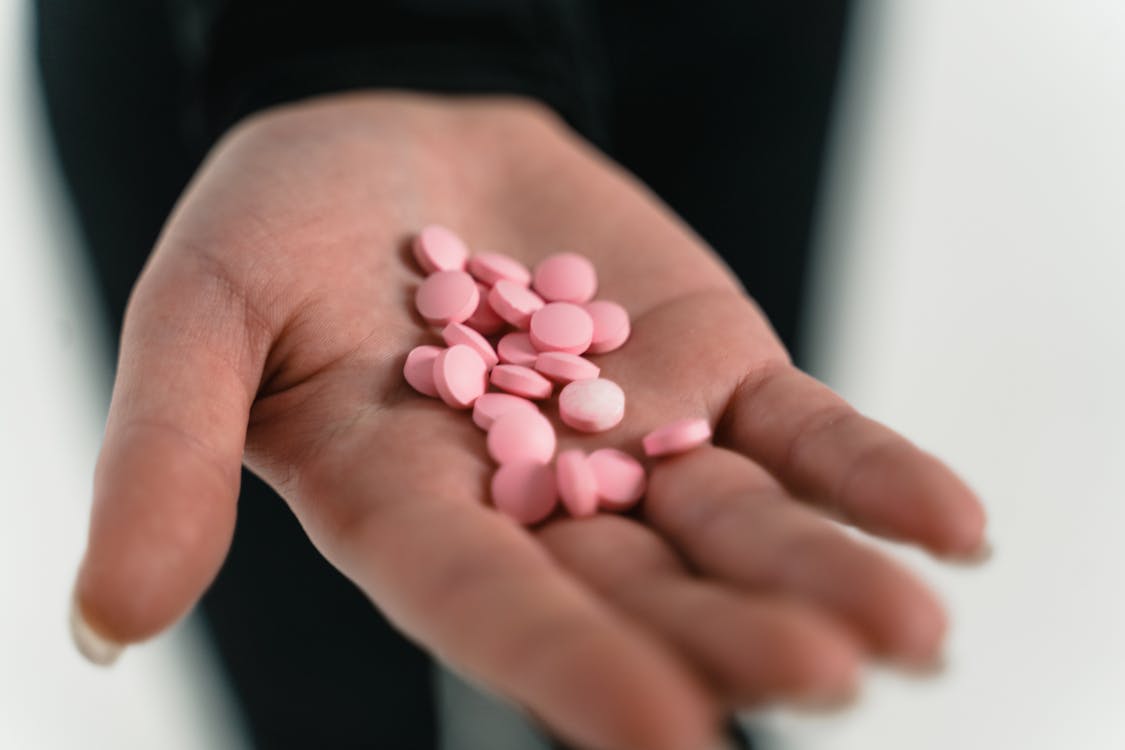
The EU is central in the global synthetic drugs landscape, with EU-based production serving both domestic and international markets. Around 12.3 million Europeans (aged 15-64) have used MDMA at least once in their lifetime. The European retail MDMA market is estimated to be worth at least EUR 594 million annually, corresponding to around 72.4 million MDMA (ecstasy) tablets consumed in the EU.
MDMA production raises safety and environmental concerns
MDMA is primarily produced via the so-called ‘high-pressure’ method, using large industrial reactors. However, criminal networks are constantly adapting their production methods in response to shortages of equipment or chemicals. For example, changes in the availability of ‘high-pressure’ reactors have led producers to switch to the ‘cold method’. This alternative MDMA production method has been associated with fires and explosions, increasing the risk of harm to local populations, first responders and the areas surrounding production facilities.
MDMA production also generates significant chemical waste. It is estimated that, in the EU, it may have generated between 1 155 and 3 191 tonnes of chemical waste in 2021, typically dumped away from the production sites, causing health hazards, environmental damage and costly clean-ups. The safety and environmental risks associated with MDMA production underline the market’s broader societal impacts.
MDMA traffiked from the EU to Latin America
Outside the buoyant EU drug market, profitable markets in Oceania and Asia appear to be the main destinations of MDMA shipments from Europe, but there are signs that Latin America is becoming an increasingly important market — a shift requiring close monitoring.
Traditionally, drug trafficking routes between Latin America and Europe have been dominated by cocaine exports. However, there have been reports that these routes are also used to traffic MDMA in the opposite direction.
In some cases, criminals based in the EU and Latin America engage in barter deals, where MDMA is exchanged for cocaine, with no monetary exchange.
Innovation in precursor chemicals remains a challenge
The supply of precursors and essential chemicals plays a key role in MDMA production, typically assured by dedicated criminal networks with links to legitimate business. MDMA producers bypass legal controls on the precursor used to make MDMA (PMK) by using alternative unregulated substances that are mainly sourced from China and converted into PMK in Europe. Since 2013, seizures of these alternative chemicals have surpassed those of PMK in Europe, challenging authorities’ efforts to control MDMA production in the EU.
High-strength ecstasy tablets still pose risks
Following successive years of rising amounts of MDMA in ecstasy tablets (2011–2019), this trend seems to have reversed, with the average MDMA content falling from 170 mg in 2019 to 144 mg per tablet in 2022. Nevertheless, potent tablets are still circulating.
Social media platforms and instant messaging apps have become particularly dynamic channels through which MDMA is sold to consumers. Mixtures of MDMA, ketamine and additional substances, sold as ‘tucibi’ or ‘pink cocaine’ are also increasingly available.
Addressing current threats and boosting preparedness
Last March 27th’s report takes a threat assessment approach, presenting key issues and recommendations for action at EU and Member State level to address the challenges posed by the MDMA market. The key areas for action include: improving the strategic intelligence picture, strengthening responses to reduce supply and enhance security, boosting international cooperation, investing in capacity-building, and strengthening policy, public health and safety responses.
More information: Europol




Leave a Reply