• Skip to primary navigation
  • Skip to main content
  • Skip to primary sidebar
  • Skip to footer
  • Bluesky
  • Facebook
  • Instagram
  • Twitter
  • YouTube
CDE Almería – Centro de Documentación Europea – Universidad de Almería

CDE Almería - Centro de Documentación Europea - Universidad de Almería

Centro de Documentación Europea de la Universidad de Almería

  • HOME
  • WHAT´S ON
    • EU NEWS
    • Activities
    • EU Calls and Awards
    • Radio Program «Europe with You»
  • DOCUMENTATION
    • EU Media Collection
      • Web Space
      • MEDIATHEQUE REPOSITORY
  • Europe on the net
    • Institutions
    • EU Representation in Spain
    • European information network of Andalusia
  • ABOUT US
    • Presentation
    • Services
    • People
    • Contact
  • Spanish
  • English

Parliament wants to reduce demand for prostitution and protect those who work in it

Inicio » Noticias UE » Asuntos Sociales » Labour Market and Employment » Parliament wants to reduce demand for prostitution and protect those who work in it

18 de September de 2023

Parliament called on Thursday for EU measures to tackle prostitution and policies that eliminate poverty.
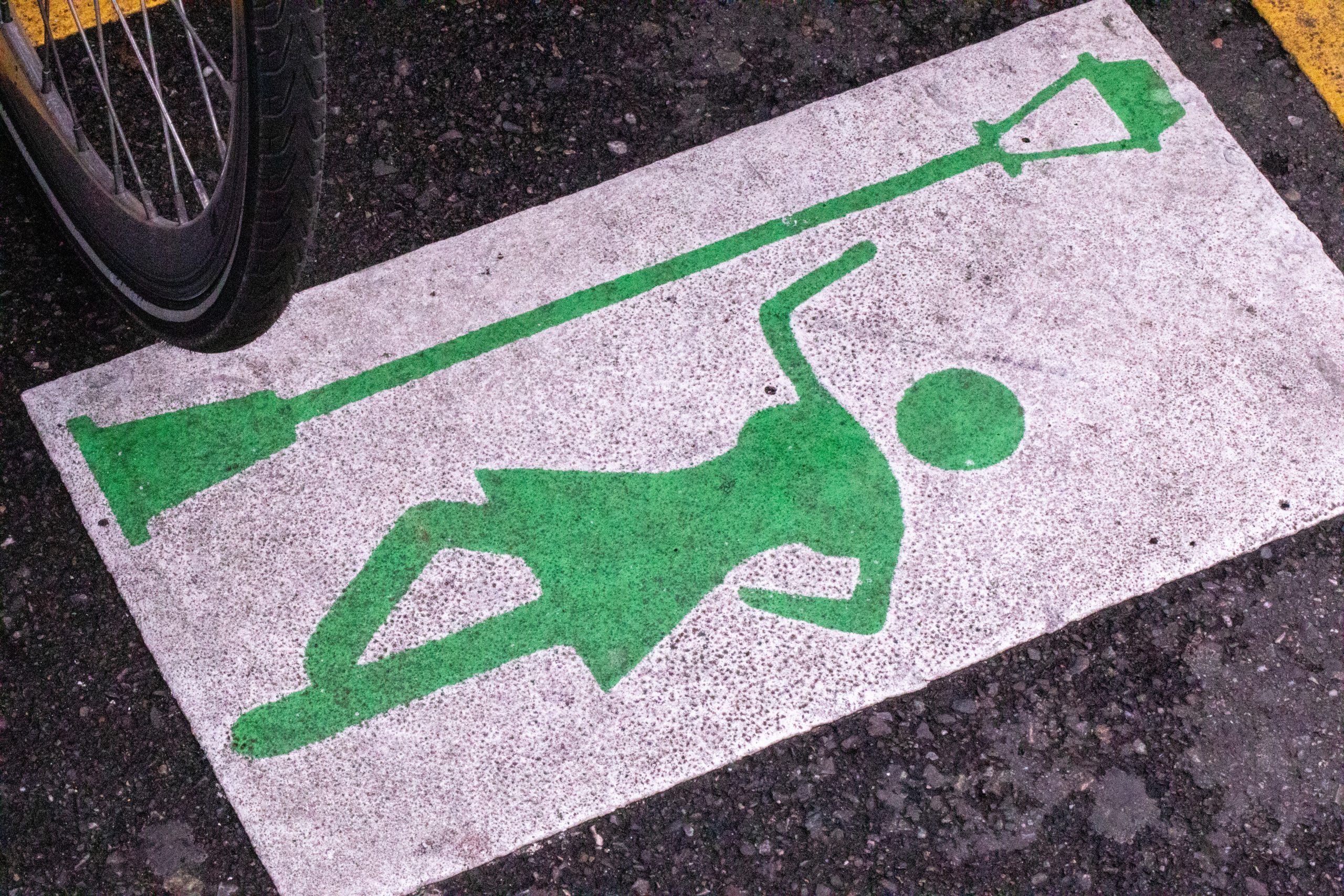
Prostitución

The report on prostitution in the EU, its cross-border implications and impact on gender equality and women’s rights was adopted by MEPs with 234 votes in favour, 175 against and 122 abstentions. It underlines that the asymmetry between national rules on prostitution within the EU, given its cross-border nature, leads to more victims of trafficking for sexual exploitation and makes for fertile operating ground for organised crime. Member states should assess existing legislation to avoid any loopholes that allow criminals to act with impunity, while the Commission should develop common EU guidelines guaranteeing the fundamental rights of people in prostitution.

Measures to cut demand and online advertisement

Prostitution and trafficking for sexual exploitation exist because there is a demand for them, MEPs note. Reducing demand is therefore key to prevent and reduce human trafficking and must be done in a way that does not harm those in prostitution, they say. They call on the member states to take urgent measures to tackle online advertisement that directly or indirectly encourages prostitution or seeks to attract buyers.

MEPs also demand support for and cooperation with the police and other law enforcement agencies, social and medical services and NGOs to address trafficking and sexual exploitation and protect women in prostitution.
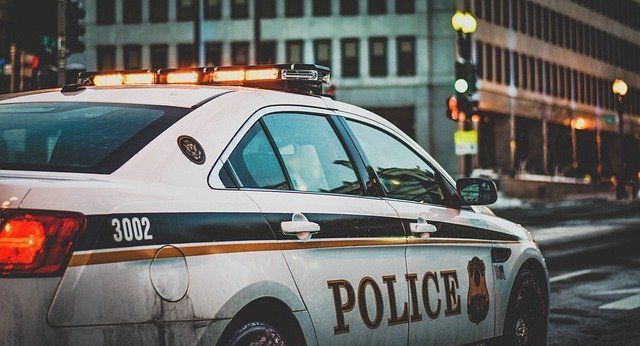
Rapid action via Eurojust leads to arrest of 10 human traffickers

Give people in prostitution access to essential services and protect their rights

The worsening social and economic situation due to COVID-19, and the current energy and cost-of-living crisis have increased all forms of abuse and violence against women, MEPs say, including sexual exploitation, with many women in vulnerable situations being driven into poverty and social exclusion. MEPs demand efficient policies against poverty. They want to improve social protection, tackle school failure, promote education, and the establishment of inclusive policies that support women’s empowerment and economic independence, along with measures that condemn those who exploit.

People in prostitution face the constant threat of police and judicial persecution, and are marginalised and stigmatised, the report notes, which often hinders their ability to seek justice. MEPs call for full access to high-quality health and social services as well as to the justice system and pathways out of prostitution.

Quote

Maria Noichl (S&D Germany) rapporteur, said: “Today Parliament is giving a voice to people, and especially women, who have traditionally been overlooked, marginalised and stigmatised in our societies. We are standing by those who have warned for a long time about the reality of prostitution. This report outlines the reasons why the big majority of people end up in prostitution, and it highlights the way forward: create exit programmes and alternatives, eradicate poverty and social exclusion, dismantle stereotypes and inequalities, and reduce demand by tackling the buyers.”

Source: Press release – European Parliament

Publicaciones relacionadas:

The Parliament’s fight for gender equality in the EU peones de ajedrez en grupo y peón solitarioJudgment of the CJEU on homophobic discrimination in the workplace Sexism at work: How can we stop it? The company and the gender imbalance created by COVID-19 Supernovas: to bring more women into the entrepreneurship ecosystem

Equality,  EU News,  Labour Market and Employment,  Social Affairs European Parliament,  Prostitution

“This is a space for debate. All comments, for or against publication, that are respectful and do not contain expressions that are discriminatory, defamatory or contrary to current legislation will be published”.

Reader Interactions

Leave a Reply Cancel reply

Your email address will not be published. Required fields are marked *

This site uses Akismet to reduce spam. Learn how your comment data is processed.

Primary Sidebar

Footer

  • CDE Almería
  • Biblioteca Nicolás Salmerón – Universidad de Almería
  • Planta: 1ª, Despacho: 1.05.0B.
  • Ctra. Sacramento s/n. Almería (Spain)
  • Teléfono: (+34) 950 015266

HOME
NEWS
DOCUMENTATION
EUROPE ON THE NET
ABOUT US

  • LEGAL NOTICE
  • PRIVACY POLICY
  • COOKIE POLICY
  • ACCESSIBILITY
  • SITEMAP

Copyright © 2026 CDE Almería · Creative Commons LicenseThis work is licensed under a Creative Commons Attribution-NonCommercial 4.0 International License.

<p>El Centro de Documentación Europea de la Universidad de Almería utiliza cookies propias y de terceros para facilitar al usuario la navegación en su página Web y el acceso a los distintos contenidos alojados en la misma. Asimismo, se utilizan cookies analíticas de terceros para medir la interacción de los usuarios con el sitio Web. Pinche el siguiente enlace si desea información sobre el uso de cookies y como deshabilitarlas. </p>

Politica de privacidad

El Centro de Documentación Europea de la Universidad de Almería utiliza cookies propias y de terceros para facilitar al usuario la navegación en su página Web y el acceso a los distintos contenidos alojados en la misma. Asimismo, se utilizan cookies analíticas de terceros para medir la interacción de los usuarios con el sitio Web. Pinche el siguiente enlace si desea información sobre el uso de cookies y como deshabilitarlas. <a href="/politica-de-cookies" rel="noopener" target="_blank">Más información</a>

Cookies estrictamente necesarias

Las cookies estrictamente necesarias tiene que activarse siempre para que podamos guardar tus preferencias de ajustes de cookies.

Básicamente la web no funcionara bien si no las activas.

Estas cookies son:

  • Comprobación de inicio de sesión.
  • Cookies de seguridad.
  • Aceptación/rechazo previo de cookies.
Cookies de terceros

Esta web utiliza Google Analytics, Google Tag Manager y Yandex Metrika para recopilar información anónima tal como el número de visitantes del sitio, o las páginas más populares.

Dejar estas cookies activas nos permite mejorar nuestra web.

Política de cookies

Pinche el siguiente enlace si desea información sobre el uso de cookies y como deshabilitarlas. Más información