• Skip to primary navigation
  • Skip to main content
  • Skip to primary sidebar
  • Skip to footer
  • Bluesky
  • Facebook
  • Instagram
  • Twitter
  • YouTube
CDE Almería – Centro de Documentación Europea – Universidad de Almería

CDE Almería - Centro de Documentación Europea - Universidad de Almería

Centro de Documentación Europea de la Universidad de Almería

  • HOME
  • WHAT´S ON
    • EU NEWS
    • Activities
    • EU Calls and Awards
    • Radio Program «Europe with You»
  • DOCUMENTATION
    • EU Media Collection
      • Web Space
      • MEDIATHEQUE REPOSITORY
  • Europe on the net
    • Institutions
    • EU Representation in Spain
    • European information network of Andalusia
  • ABOUT US
    • Presentation
    • Services
    • People
    • Contact
  • Spanish
  • English

New rules to fight cross-border payment fraud in the EU enter into force

Inicio » Noticias UE » Derecho » Legislation » New rules to fight cross-border payment fraud in the EU enter into force

12 de January de 2024

New transparency rules come into force this 1 January that will help EU Member States to crack down on Value-Added Tax (VAT) fraud.
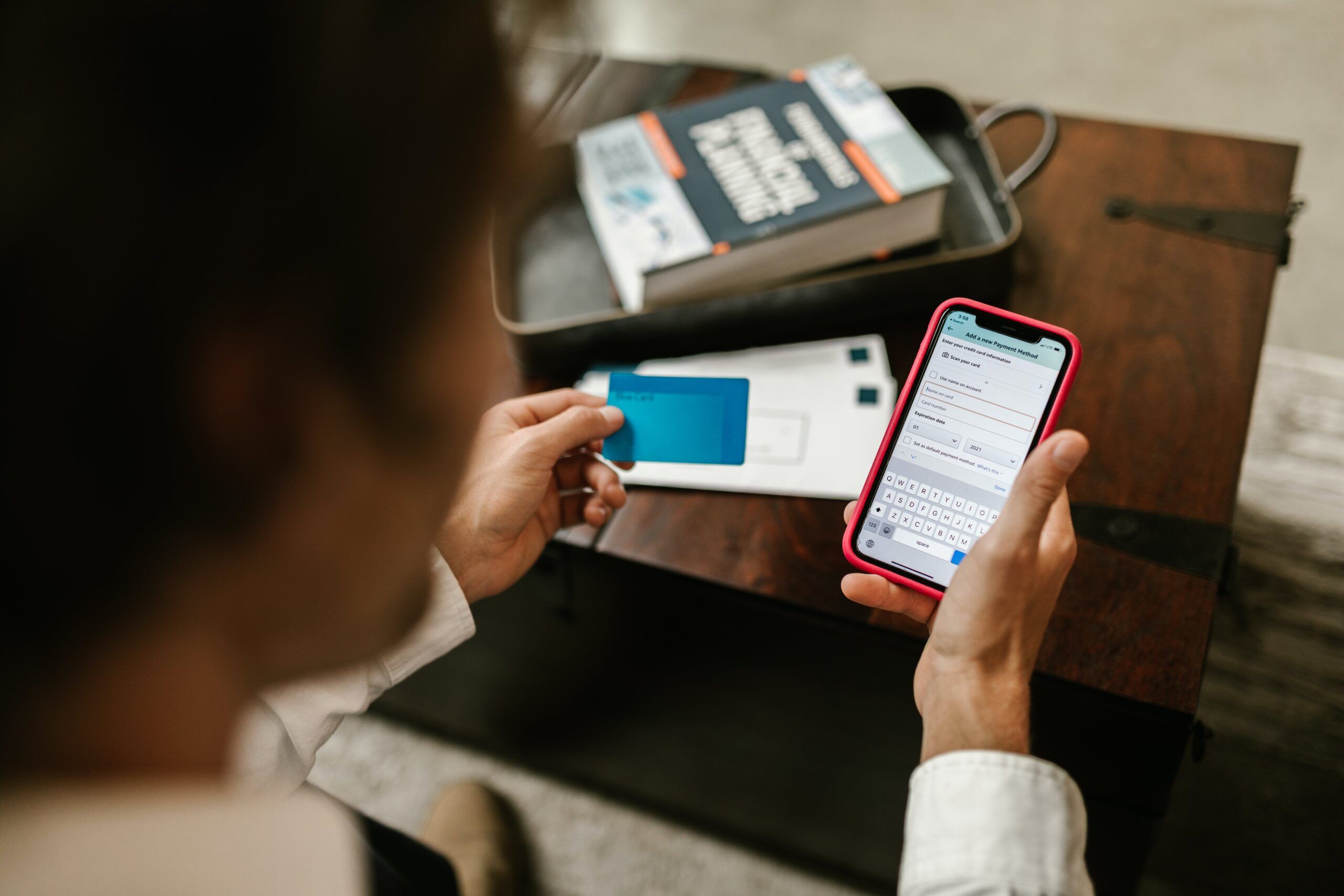
The new rules will provide tax administration of the EU Member States with payment information allowing them to detect VAT fraud more easily, with a particular focus on e-commerce which is particularly prone to VAT non-compliance and fraud. This in turn creates holes in the tax revenues that pay for vital public services.

For example, some online sellers with no physical presence in an EU Member State sell goods and services to EU consumers without registering for VAT anywhere in the EU, or by declaring less than the actual value of their online sales. Member States therefore need strengthened tools to detect and shut down this unlawful behaviour.

In detail

The new system harnesses the key role played by payment service providers (PSPs) such as banks, e-money institutions, payment institutions and post office giro services, which collectively handle over 90% of online purchases in the EU.

As of 1 January, those PSPs will have to monitor the payees of cross-border payments and, as of 1 April, transmit information on those who receive more than 25 cross-border payments per quarter to the administrations of EU Member States. This information will then be centralised in a new European database developed by the European Commission, the Central Electronic System of Payment information (CESOP), where it will be stored, aggregated and cross-checked with other data.

All information in CESOP will then be made available to Member States via Eurofisc, the EU’s network of anti-VAT fraud specialists launched in 2010. This will make it much easier for Member States to analyse data and identify online sellers who do not comply with VAT obligations, including businesses that are not located in the EU.

Eurofisc liaison officials are also empowered to take appropriate action at national level, such as proceeding with requests for information, audits, or deregistration of VAT numbers. Similar provisions are already in place in some Member States and in other countries and have had a tangible effect in tackling fraud in the e-commerce sector.
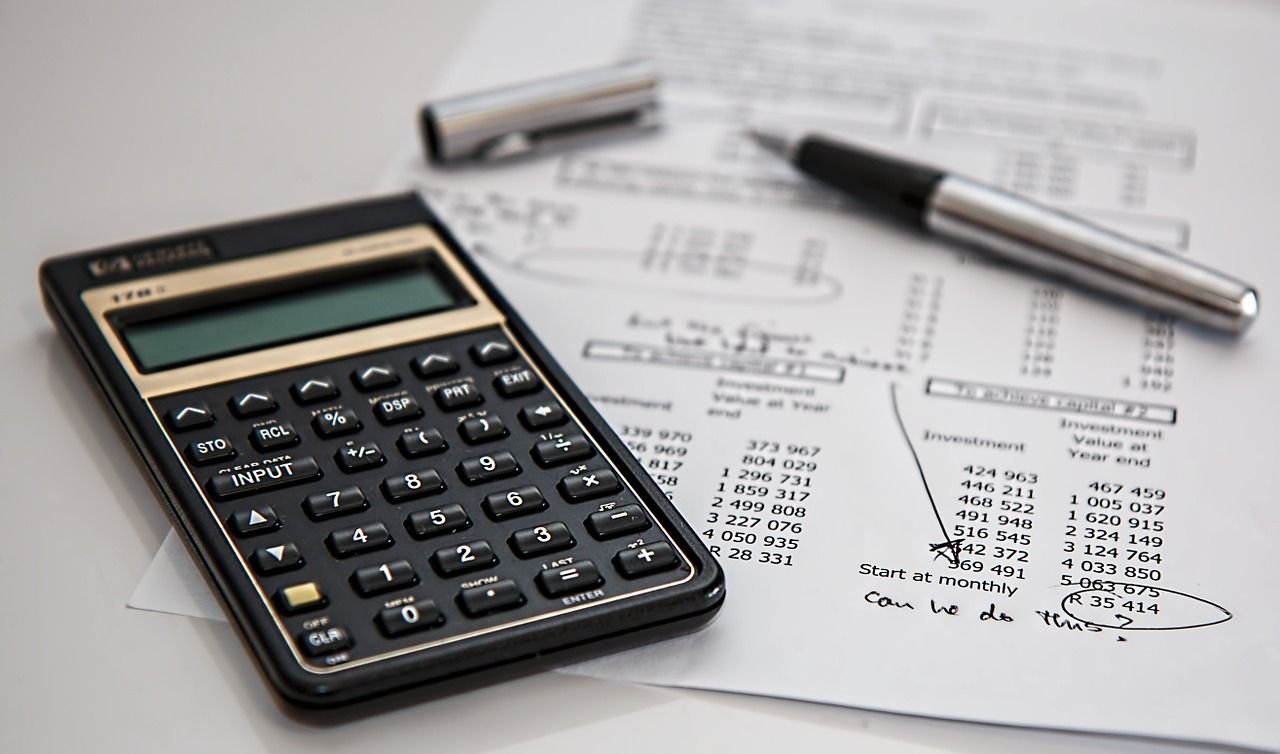
E-commerce: Council adopts new rules for exchange of VAT payment data

More information: European Commission

Publicaciones relacionadas:

criptomoneda delante de un ordenadorEuropean Parliament approves Europe’s first ever rules on crypto-assets EU reaches political agreement on updated enforcement regulation 2021 Rule of Law Report Right to safe and legal abortion must be safeguarded, MEPs demand bandera de europaEuropean Commission takes action against Spain and other Member States to ensure transposition of EU directives


EU News,  Law,  Legislation combat,  cross-border payments,  EU,  new rules

“This is a space for debate. All comments, for or against publication, that are respectful and do not contain expressions that are discriminatory, defamatory or contrary to current legislation will be published”.

Reader Interactions

Leave a Reply Cancel reply

Your email address will not be published. Required fields are marked *

This site uses Akismet to reduce spam. Learn how your comment data is processed.

Primary Sidebar

Footer

  • CDE Almería
  • Biblioteca Nicolás Salmerón – Universidad de Almería
  • Planta: 1ª, Despacho: 1.05.0B.
  • Ctra. Sacramento s/n. Almería (Spain)
  • Teléfono: (+34) 950 015266

HOME
NEWS
DOCUMENTATION
EUROPE ON THE NET
ABOUT US

  • LEGAL NOTICE
  • PRIVACY POLICY
  • COOKIE POLICY
  • ACCESSIBILITY
  • SITEMAP

Copyright © 2026 CDE Almería · Creative Commons LicenseThis work is licensed under a Creative Commons Attribution-NonCommercial 4.0 International License.

<p>El Centro de Documentación Europea de la Universidad de Almería utiliza cookies propias y de terceros para facilitar al usuario la navegación en su página Web y el acceso a los distintos contenidos alojados en la misma. Asimismo, se utilizan cookies analíticas de terceros para medir la interacción de los usuarios con el sitio Web. Pinche el siguiente enlace si desea información sobre el uso de cookies y como deshabilitarlas. </p>

Politica de privacidad

El Centro de Documentación Europea de la Universidad de Almería utiliza cookies propias y de terceros para facilitar al usuario la navegación en su página Web y el acceso a los distintos contenidos alojados en la misma. Asimismo, se utilizan cookies analíticas de terceros para medir la interacción de los usuarios con el sitio Web. Pinche el siguiente enlace si desea información sobre el uso de cookies y como deshabilitarlas. <a href="/politica-de-cookies" rel="noopener" target="_blank">Más información</a>

Cookies estrictamente necesarias

Las cookies estrictamente necesarias tiene que activarse siempre para que podamos guardar tus preferencias de ajustes de cookies.

Básicamente la web no funcionara bien si no las activas.

Estas cookies son:

  • Comprobación de inicio de sesión.
  • Cookies de seguridad.
  • Aceptación/rechazo previo de cookies.
Cookies de terceros

Esta web utiliza Google Analytics, Google Tag Manager y Yandex Metrika para recopilar información anónima tal como el número de visitantes del sitio, o las páginas más populares.

Dejar estas cookies activas nos permite mejorar nuestra web.

Política de cookies

Pinche el siguiente enlace si desea información sobre el uso de cookies y como deshabilitarlas. Más información