• Skip to primary navigation
  • Skip to main content
  • Skip to primary sidebar
  • Skip to footer
  • Bluesky
  • Facebook
  • Instagram
  • Twitter
  • YouTube
CDE Almería – Centro de Documentación Europea – Universidad de Almería

CDE Almería - Centro de Documentación Europea - Universidad de Almería

Centro de Documentación Europea de la Universidad de Almería

  • HOME
  • WHAT´S ON
    • EU NEWS
    • Activities
    • EU Calls and Awards
    • Radio Program «Europe with You»
  • DOCUMENTATION
    • EU Media Collection
      • Web Space
      • MEDIATHEQUE REPOSITORY
  • Europe on the net
    • Institutions
    • EU Representation in Spain
    • European information network of Andalusia
  • ABOUT US
    • Presentation
    • Services
    • People
    • Contact
  • Spanish
  • English

New rules on labelling of honey, juice, jam and marmalade adopted

Inicio » EU News » Law » Legislation » New rules on labelling of honey, juice, jam and marmalade adopted

11 de April de 2024

The revision of the “breakfast directives” aims to help consumers make informed and healthier decisions on products such as honey, fruit juice, jam and marmalades.
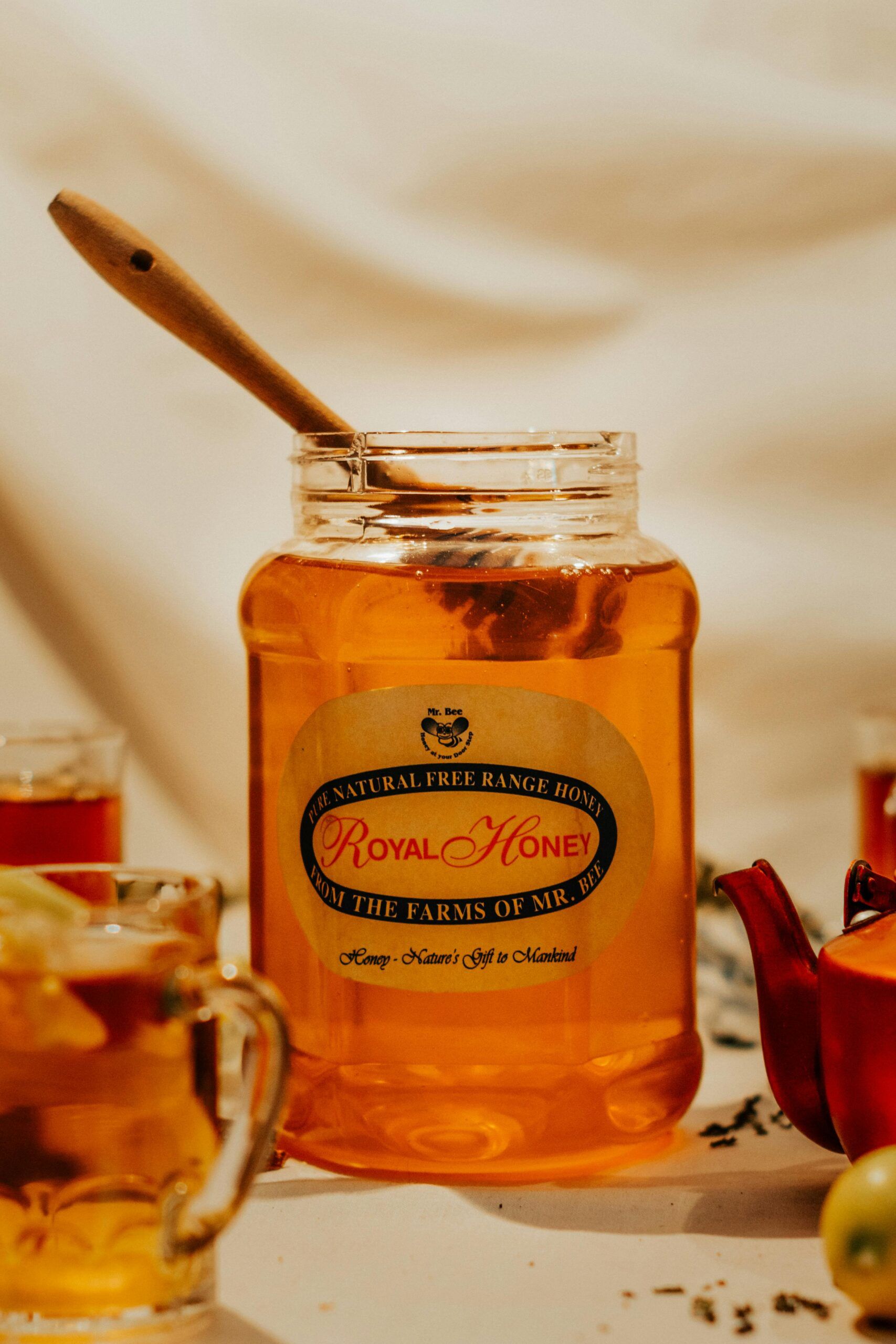
Parliament on Wednesday approved the provisional political agreement with Council on updated rules on the composition, name, labelling and presentation of certain ‘breakfast’ foodstuffs, the so-called “breakfast directives”, with 603 votes in favour, 9 against and 10 abstentions.

In particular, the new rules will combat adulterated honey imports from non-EU countries through obligatory and clearly visible country of origin labelling, and will launch a process to create a honey traceability system. There will also be clearer labelling on sugar content in fruit juices as well as for minimum fruit content in jams and marmalades.

You can read more about the new rules in the press release after the deal with EU countries.

Quote

After the vote, rapporteur Alexander Bernhuber (EPP, Austria) said:

“Today we have taken an important step in the labelling of the origin of foodstuffs and adopted strict measures to combat honey fraud. The country of origin must be clearly indicated on the labelling of honey blends. In addition, higher quality standards have been set and the need for an EU traceability system for honey has been identified. These initiatives will ensure that consumers are better informed and that both beekeepers and consumers are better protected against adulterated honey.”

Next steps

The law now also has to be adopted by Council, before being published in the EU Official Journal and entering into force 20 days later. EU countries will have apply the new rules two years after entry into force.

Background

The revision of EU marketing standards for certain ‘breakfast’ directives was proposed by the European Commission on 21 April 2023 to update current standards that are more than 20 years old.
Agreement to improve consumer information for honey, fruit jams and juices


More information: European Parliament

Publicaciones relacionadas:

patenteNew unitary patent system launched to make it easier for companies to protect their innovations in Europe criptomoneda delante de un ordenadorEuropean Parliament approves Europe’s first ever rules on crypto-assets EU reaches political agreement on updated enforcement regulation Final vote on the Digital Services Act and the Digital Markets Act Council adopts EU rules on crypto-assets market



EU News,  Industry,  Law,  Legislation,  Market consumer law,  EU,  European Council,  European Parliament,  Honey,  jam,  juice,  marmalade

“This is a space for debate. All comments, for or against publication, that are respectful and do not contain expressions that are discriminatory, defamatory or contrary to current legislation will be published”.

Reader Interactions

Leave a Reply Cancel reply

Your email address will not be published. Required fields are marked *

This site uses Akismet to reduce spam. Learn how your comment data is processed.

Primary Sidebar

Footer

  • CDE Almería
  • Biblioteca Nicolás Salmerón – Universidad de Almería
  • Planta: 1ª, Despacho: 1.05.0B.
  • Ctra. Sacramento s/n. Almería (Spain)
  • Teléfono: (+34) 950 015266

HOME
NEWS
DOCUMENTATION
EUROPE ON THE NET
ABOUT US

  • LEGAL NOTICE
  • PRIVACY POLICY
  • COOKIE POLICY
  • ACCESSIBILITY
  • SITEMAP

Copyright © 2026 CDE Almería · Creative Commons LicenseThis work is licensed under a Creative Commons Attribution-NonCommercial 4.0 International License.

<p>El Centro de Documentación Europea de la Universidad de Almería utiliza cookies propias y de terceros para facilitar al usuario la navegación en su página Web y el acceso a los distintos contenidos alojados en la misma. Asimismo, se utilizan cookies analíticas de terceros para medir la interacción de los usuarios con el sitio Web. Pinche el siguiente enlace si desea información sobre el uso de cookies y como deshabilitarlas. </p>

Politica de privacidad

El Centro de Documentación Europea de la Universidad de Almería utiliza cookies propias y de terceros para facilitar al usuario la navegación en su página Web y el acceso a los distintos contenidos alojados en la misma. Asimismo, se utilizan cookies analíticas de terceros para medir la interacción de los usuarios con el sitio Web. Pinche el siguiente enlace si desea información sobre el uso de cookies y como deshabilitarlas. <a href="/politica-de-cookies" rel="noopener" target="_blank">Más información</a>

Cookies estrictamente necesarias

Las cookies estrictamente necesarias tiene que activarse siempre para que podamos guardar tus preferencias de ajustes de cookies.

Básicamente la web no funcionara bien si no las activas.

Estas cookies son:

  • Comprobación de inicio de sesión.
  • Cookies de seguridad.
  • Aceptación/rechazo previo de cookies.
Cookies de terceros

Esta web utiliza Google Analytics, Google Tag Manager y Yandex Metrika para recopilar información anónima tal como el número de visitantes del sitio, o las páginas más populares.

Dejar estas cookies activas nos permite mejorar nuestra web.

Política de cookies

Pinche el siguiente enlace si desea información sobre el uso de cookies y como deshabilitarlas. Más información