
The European Commission welcomes the political agreement reached by the European Parliament and Council to review and strengthen the existing marketing standards applicable to a honey, fruit juices, jams and milk. The so-called Breakfast Directives lay down common rules on the composition, sales names, labelling and presentation of these products to ensure their free movement within the internal market and help consumers make informed choices.
The revised Directives agreed upon by the co-legislators will introduce the following changes:
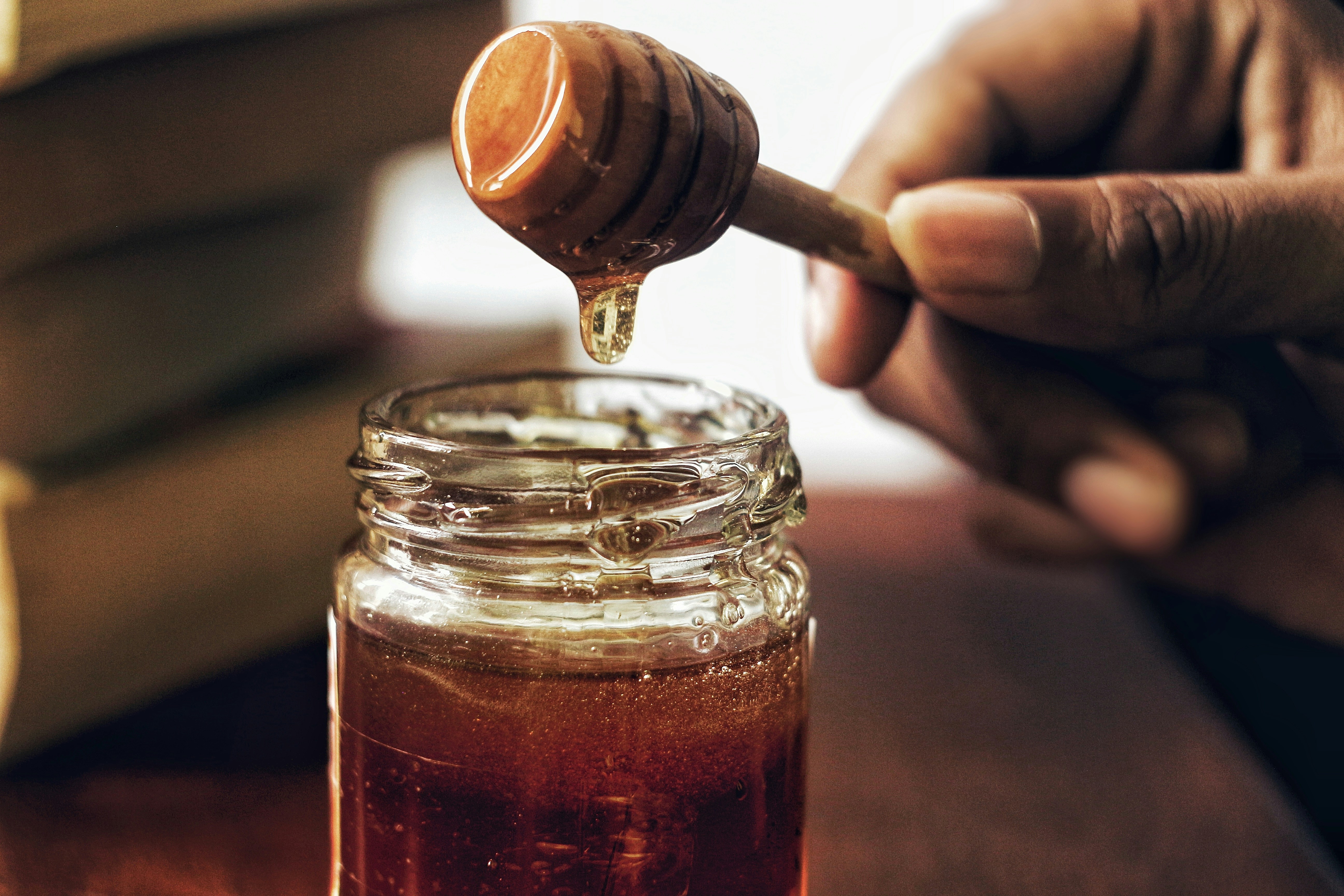
- Mandatory origin labelling for honey: the countries of origin in honey blends will have to appear on the label in descending order with the percentage share of each origin. Member States will have the flexibility to require percentages for the four largest shares only when they account for more than 50% of the blend. The Commission is empowered by the co-legislators to introduce harmonised methods of analysis to detect honey adulteration with sugar, a uniform methodology to trace the origin of honey and criteria to ascertain that honey is not overheated when sold to the final consumer. A Platform will be set up to advise the Commission on those matters. This will limit fraudulent practices and increase the transparency of the food chain.
- Innovation and market opportunities for fruit juices in line with new consumers demands: Three new categories will become available: ‘reduced-sugar fruit juice‘, ‘reduced-sugar fruit juice from concentrate‘ and ‘concentrated reduced-sugar fruit juice‘. This way consumers can choose a juice with at least 30% less sugars. It will be possible for fruit juices to indicate on their labels that “fruit juices contain only naturally occurring sugars” to clarify that, contrary to fruit nectars, fruit juices cannot by definition contain added sugars – a feature that most of the consumers are not aware of.
- Higher mandatory fruit content in jams: an increase of the minimum fruit content in jams (from 350 to 450 grams per kilo) and in extra-jams (from 450 to 500 grams per kilo) will improve the minimum quality and reduce the sugar content of these products for EU consumers. Member States will be allowed to authorise the term ‘marmalade’ as a synonym of ‘jam’, to take into account of the name commonly used locally for these products. The term “marmalade” was authorised until now only for citrus jams.
- Simplified labelling for milk: the distinction between ‘evaporated’ and ‘condensed’ milk will be removed, in line with the Codex Alimentarius standard. Lactose-free dehydrated milk will also be authorised.
The co-legislators have also given a mandate to the Commission to assess, within the coming three years, the ways to inform consumers about the origin of the fruits used in the production of juices and jams.
The political agreement reached by the European Parliament, Council and Commission is now subject to formal approval by the co-legislators. From entry into force 20 days after publication of the final text, Member States will have 18 months to transpose the new provisions into national law and 6 more months before it applies throughout the Union.
Background
EU marketing standards are designed to ensure that the quality of the product stays high, that consumers are protected and that standards are consistent within the EU market. They also facilitate trade with third countries as they are consistent with existing standards at international level since the 1950s. Over the last decade, agricultural markets have evolved significantly, driven by innovation but also changing societal concerns and consumers’ demand.
To be placed on the EU markets and sold to consumers, most agri-food products must comply with EU marketing standards or standards established at international level. Marketing standards concern the external qualities of products and the non-visible qualities that result from particular production processes, like fruit content in jams. They apply equally to both EU products and imported products.
In April 2023, following a broad consultation process, the Commission presented proposals to ensure that marketing standards keep contributing to the promotion and uptake of sustainable products, while addressing new needs of consumers and operators, in line with the Farm to Fork strategy and the UN’s Sustainable Development Goals.
More information: European Commission
Publicaciones relacionadas:
 Commission publishes market study on hotels’ distribution practices
 European Union publishes winter economic forecast for 2023
 The European Commission is providing guidance to Member States on the conduct and coordination of fiscal policy for next year
 European Commission launches unannounced inspections at premises of fashion companies
 European Commission approves €680M in aid for the deployment of 5G mobile networks in Spanish rural areas
Leave a Reply