• Skip to primary navigation
  • Skip to main content
  • Skip to primary sidebar
  • Skip to footer
  • Bluesky
  • Facebook
  • Instagram
  • Twitter
  • YouTube
CDE Almería – Centro de Documentación Europea – Universidad de Almería

CDE Almería - Centro de Documentación Europea - Universidad de Almería

Centro de Documentación Europea de la Universidad de Almería

  • HOME
  • WHAT´S ON
    • EU NEWS
    • Activities
    • EU Calls and Awards
    • Radio Program «Europe with You»
  • DOCUMENTATION
    • EU Media Collection
      • Web Space
      • MEDIATHEQUE REPOSITORY
  • Europe on the net
    • Institutions
    • EU Representation in Spain
    • European information network of Andalusia
  • ABOUT US
    • Presentation
    • Services
    • People
    • Contact
  • Spanish
  • English

Negotiations on new EU collective redress rules to begin

Inicio » EU News » Negotiations on new EU collective redress rules to begin

13 de January de 2020

The Legal Affairs Committee confirmed on Thursday Parliament’s negotiating position on a new bill introducing EU-wide rules on collective redress.
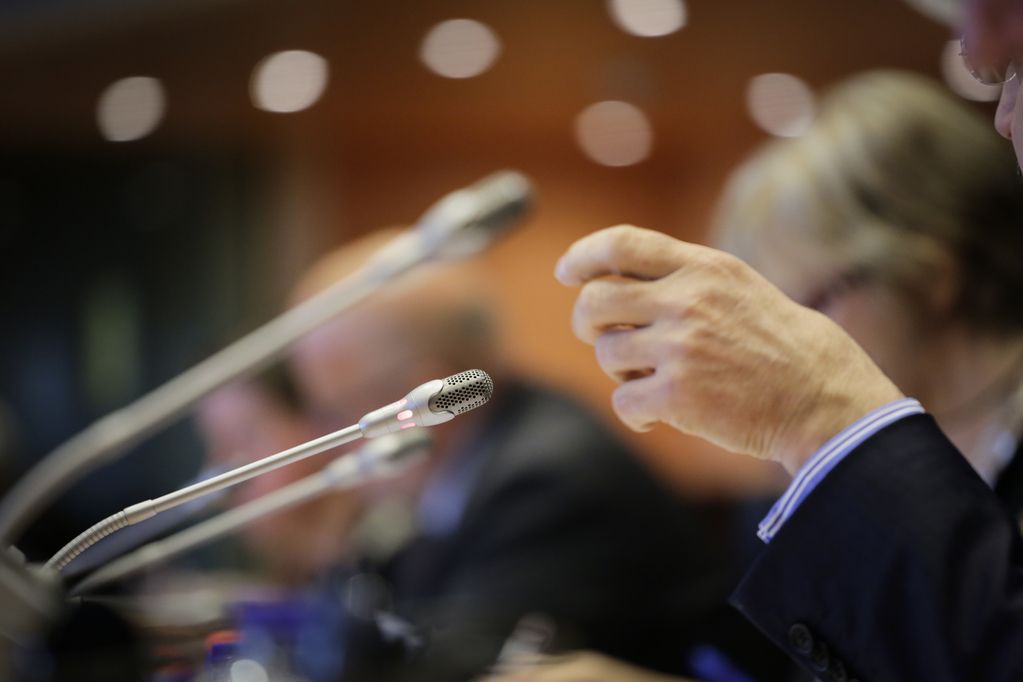
This means that MEPs can soon start negotiating the final shape that the legislation will take with Council, which has also approved its general approach on the matter. The Legal Affairs Committee confirmed Parliament’s negotiating position with 20 votes in favour and 2 abstentions.

The draft rules allow consumer organisations to seek remedy, enforce a high level of protection and to represent the collective interest of consumers. Collective action would be authorised against trader violations, in domestic and cross-border cases, in areas such as data protection, financial services, travel and tourism, energy, telecommunications, environment and health.

The text approved by MEPs also introduces the “loser pays principle”, which ensures that the losing party reimburses the winning party’s legal costs, to avoid abusive use of the new instrument. The proposed legislation reflects concerns raised by mass harm scandals with cross-border implications, e.g. Dieselgate and Ryanair.

More Information

Full News

Publicaciones relacionadas:

EU Budget for 2021-2027: provisional agreement reached on the financial programme to support justice area persona sentada sobre una superficie de madera oscura sostiene un mapa doblado en la manoIreland to the Court of Justice for failing to effectively protect tourists Copyright reform: modernised rules fit for digital age MEPs agree on future regional and cohesion funding European Citizens’ Initiative: Commission registers ‘Respect for the rule of law’ initiative




EU News collective redress rules,  Law

“This is a space for debate. All comments, for or against publication, that are respectful and do not contain expressions that are discriminatory, defamatory or contrary to current legislation will be published”.

Reader Interactions

Leave a Reply Cancel reply

Your email address will not be published. Required fields are marked *

This site uses Akismet to reduce spam. Learn how your comment data is processed.

Primary Sidebar

Footer

  • CDE Almería
  • Biblioteca Nicolás Salmerón – Universidad de Almería
  • Planta: 1ª, Despacho: 1.05.0B.
  • Ctra. Sacramento s/n. Almería (Spain)
  • Teléfono: (+34) 950 015266

HOME
NEWS
DOCUMENTATION
EUROPE ON THE NET
ABOUT US

  • LEGAL NOTICE
  • PRIVACY POLICY
  • COOKIE POLICY
  • ACCESSIBILITY
  • SITEMAP

Copyright © 2026 CDE Almería · Creative Commons LicenseThis work is licensed under a Creative Commons Attribution-NonCommercial 4.0 International License.

<p>El Centro de Documentación Europea de la Universidad de Almería utiliza cookies propias y de terceros para facilitar al usuario la navegación en su página Web y el acceso a los distintos contenidos alojados en la misma. Asimismo, se utilizan cookies analíticas de terceros para medir la interacción de los usuarios con el sitio Web. Pinche el siguiente enlace si desea información sobre el uso de cookies y como deshabilitarlas. </p>

Politica de privacidad

El Centro de Documentación Europea de la Universidad de Almería utiliza cookies propias y de terceros para facilitar al usuario la navegación en su página Web y el acceso a los distintos contenidos alojados en la misma. Asimismo, se utilizan cookies analíticas de terceros para medir la interacción de los usuarios con el sitio Web. Pinche el siguiente enlace si desea información sobre el uso de cookies y como deshabilitarlas. <a href="/politica-de-cookies" rel="noopener" target="_blank">Más información</a>

Cookies estrictamente necesarias

Las cookies estrictamente necesarias tiene que activarse siempre para que podamos guardar tus preferencias de ajustes de cookies.

Básicamente la web no funcionara bien si no las activas.

Estas cookies son:

  • Comprobación de inicio de sesión.
  • Cookies de seguridad.
  • Aceptación/rechazo previo de cookies.
Cookies de terceros

Esta web utiliza Google Analytics, Google Tag Manager y Yandex Metrika para recopilar información anónima tal como el número de visitantes del sitio, o las páginas más populares.

Dejar estas cookies activas nos permite mejorar nuestra web.

Política de cookies

Pinche el siguiente enlace si desea información sobre el uso de cookies y como deshabilitarlas. Más información