
Law enforcement has arrested 60 people, and recovered 11 049 stolen artefacts as part of a major international art trafficking crackdown across 14 European countries.
Known as Pandora VII, this operation was led by Spain (Guardia Civil), with the support of Europol and INTERPOL.
This iteration of the annual Pandora operation consisted of an operational phase which ran between 13 to 24 September 2022 and which saw several thousands of checks being carried out at various airports, ports and border crossing points, as well as in auction houses, museums and private houses.
Two cyber patrol weeks were organised in the course of Pandora VII, in May and October respectively, with over 8 495 checks being conducted online and 4 017 stolen goods seized.
Some 130 investigations are still ongoing, as a result of which more seizures and arrests are anticipated as investigators around the globe go after those spoiling and destroying cultural heritage.
Operational highlights
Pandora VII led to the recovery of the following stolen artefacts, among others:
- 77 ancient books in Italy which the Italian Command for the Protection of Cultural Heritage (Arma dei Carabinieri) seized from an online marketplace. The books had been stolen from the archives of a monastery.
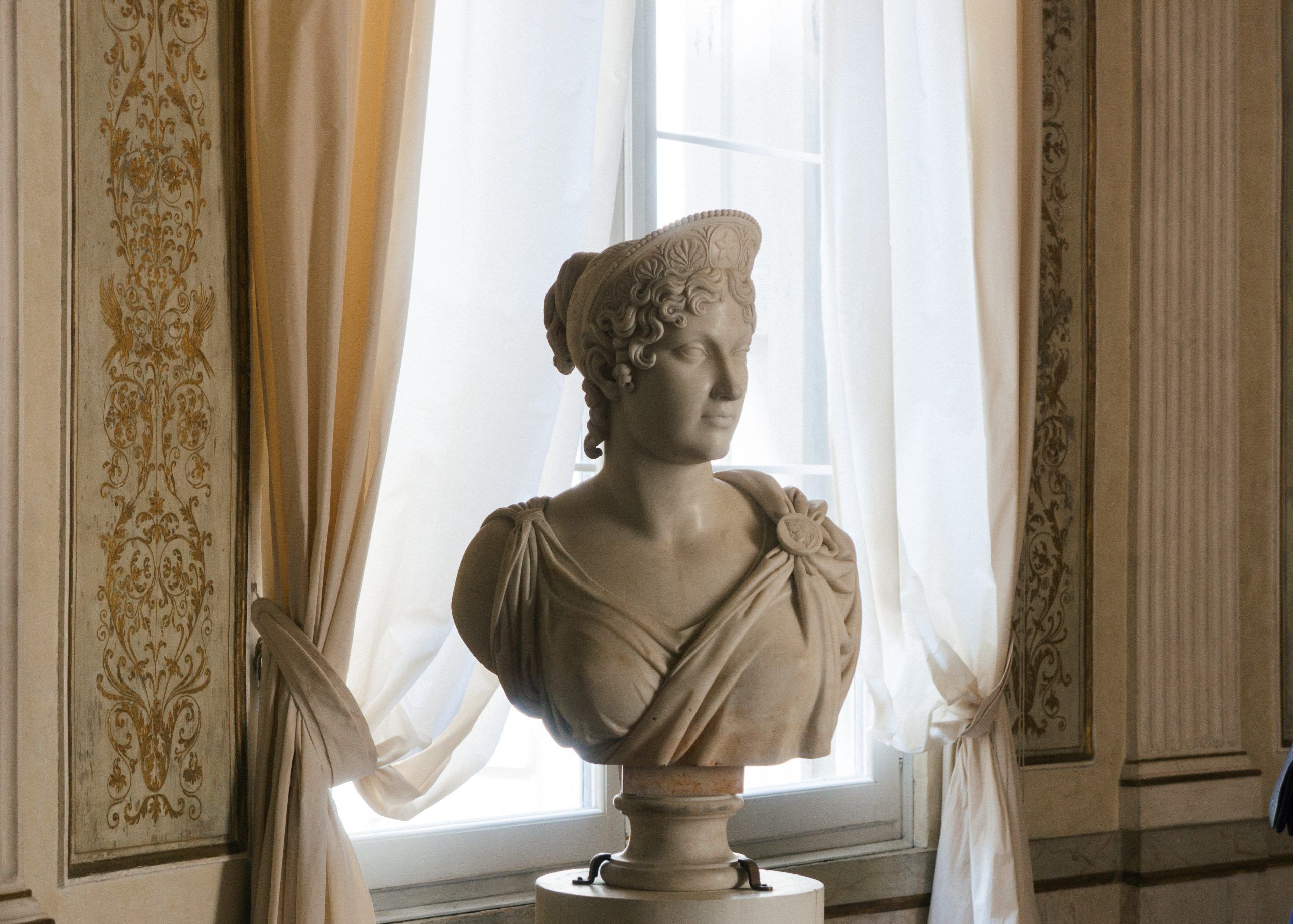
- A Roman marble bust of a woman which was recovered by the Civil Guard (Guardia Civil) in Sevilla, Spain. The sculpture is believed to represent Salonia Matidia, the niece of the emperor Traian.
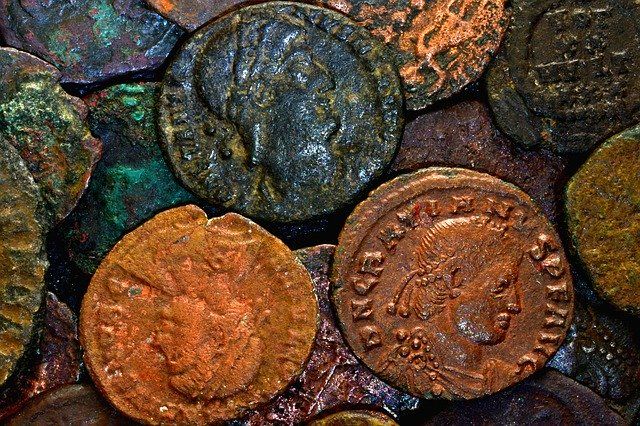
- 3 073 ancient coins, seized from an online sales platform by the Polish Police Service. An additional 117 Dacian and Roman coins were also recovered by Romanian law enforcement after an archaeological site was looted.
- 48 religious sculptures and other religious artefacts were recovered by the Portuguese authorities. These objects are believed to have been linked to a series of 15 robberies carried out in churches across northern Portugal between 1992 and 2003. An additional 41 religious and liturgical objects (icons, altarpieces mouldings, etc.) were also confiscated by the Hellenic Police after a house search in Greece.
- 13 archaeological artefacts (jewellery, among other things) from the Russian Federation were seized at a post office in Bosnia and Herzegovina.
101 Arrested And 19,000 Stolen Artefacts Recovered In International Crackdown On Art Trafficking |
International cooperation
The following countries took part in Pandora VII: Austria, Bulgaria, Czech Republic, Croatia, Cyprus, Greece, Ireland, Italy, Poland, Portugal, Romania, Spain, Sweden and Bosnia and Herzegovina.
Europol played a key role in implementing the entire operation by facilitating information exchange and providing analytical and operational support.
INTERPOL, through its I-24/7 secure communication system, connected countries in the Balkans and the European Union participating in the exchange of information, supporting the entire operation with a dedicated expert to double check searches against INTERPOL’s Stolen Works of Art Database in order to locate and identify items that had been stolen and items that were still missing. Officers on the ground also made use of ID-Art, INTERPOL’s mobile app.
Operation Pandora, which was first launched in 2016, is an annual law enforcement operation. It is carried out in the framework of the European Multidisciplinary Platform Against Criminal Threats (EMPACT).
More information: Europol
Publicaciones relacionadas:
 Corona Crimes: Suspect Behind €6 Million Face Masks And Hand Sanitisers Scam Arrested Thanks To International Police Cooperation
 Viral Marketing: Counterfeits in the Time of Pandemic
 101 Arrested And 19,000 Stolen Artefacts Recovered In International Crackdown On Art Trafficking
 Doping Trafficking Ring with Professional Athletes Dismantled in Italy
 Spain dismantle a terrorist organisation recruiting and indoctrinating women
Leave a Reply