
On Wednesday, the Committee on Employment and Social Affairs adopted its position on the new provisions designed to strengthen EU rules to protect workers from exposure to hazardous substances.
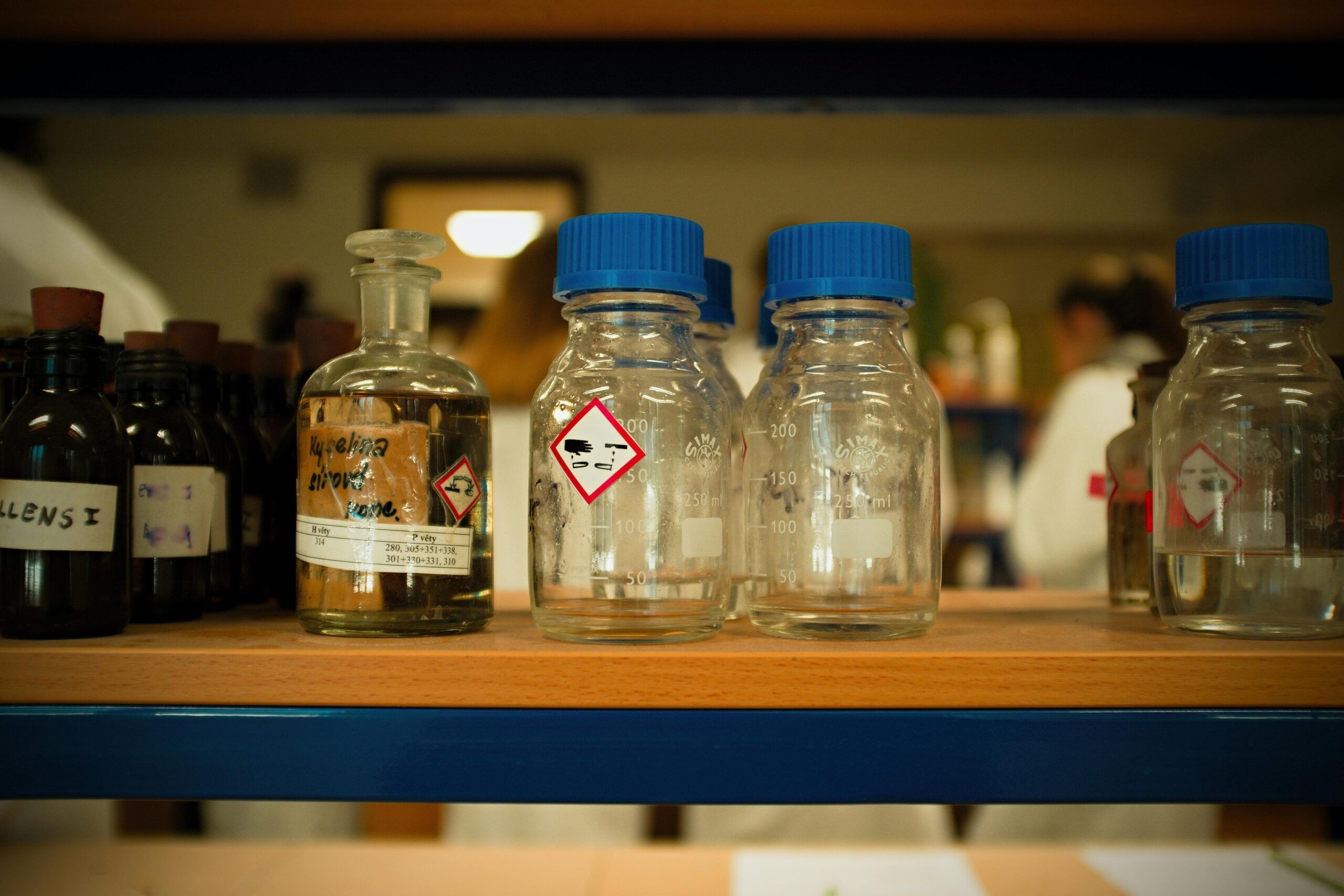
With 45 votes in favour, none against and 10 abstentions, MEPs on the Committee on Employment and Social Affairs approved the sixth revision of the Carcinogens, Mutagens and Reprotoxic Substances Directive (CMRD), which includes new exposure limit values for certain hazardous chemicals, based on the latest scientific data.
New exposure limit values
MEPs backed new limit values for cobalt and its inorganic compounds, used in battery production; polycyclic aromatic hydrocarbons, used in steel, iron and aluminium production; and 1,4-dioxane, used in chemical and textile production. They also supported the inclusion of welding fumes.
Isoprene
MEPs included a long-term occupational exposure limit for isoprene (used in the chemical and rubber manufacturing industries), which they say meets the criteria for classification as a carcinogen. Exposure to isoprene can cause irritation to the nose, throat and lungs, and chronic, high-level exposure can lead to liver cancer and anaemia.
Use of protective equipment
To improve worker protection, the Committee on Employment and Social Affairs added an obligation for employers to provide personal protective equipment, such as respiratory protection devices, where residual exposure cannot be reduced to levels below the limit values, which must be adjusted to the worker’s body type. When using such equipment, workers must be entitled to regular breaks in uncontaminated areas, say MEPs.
Firefighters
MEPs also want additional protective measures for firefighters and emergency service personnel, who risk coming into contact with a variety of hazardous materials during their work. The report highlights the need for specific risk assessments, appropriate protective measures and targeted medical surveillance for firefighters and emergency service personnel.
Support for small andmedium-sized enterprises (SMEs)
To support small and medium-sized enterprises (SMEs) with the implementation of the directive, MEPs want Member States to monitor and report on the effects of the legislation’s implementation on SMEs, including specific measures such as financial and technical support.
Gender dimension
Given that workers may be more vulnerable to different types of substances depending on their gender, the committee wants gender mainstreaming to become an integral part of the development of all occupational safety and health policies.
Quote
from rapporteurLiesbet Sommen(EPP, BE):“In the EU, around 120,000 cases of cancer are diagnosed in workers every year following exposure to carcinogens in the workplace. We cannot accept this; no one should fall ill simply for going to work. The new exposure limits we are proposing will ensure better protection for thousands of workers across the EU. We are working to improve worker protection, reduce health risks and support decent working conditions.
Next steps
The negotiating mandate still needs to be approved in plenary before negotiations with the Council on the final form of the legislation can begin.
Background
The sixth revision of the Carcinogens, Mutagens and Reprotoxic Substances Directive should improve the protection of workers against occupational diseases and reduce health risks to workers. According to theEuropean Commission, it will prevent around 1,700 cases of lung cancer and 19,000 other diseases over the next 40 years.
More information: European Parliament.
Publicaciones relacionadas:
 EU labour ministers conclude that skills must be matched to employers’ needs
 Exposure to hazardous substances at work: Council approves position on updating legislation
 Women’s employment must increase at least three times faster than men’s to meet EU targets
 The number of ICT workers in the EU rose in 2022
 41% of people employed as scientists and engineers in the European Union are women
Leave a Reply