
The bill aims to respond to the new security environment brought about by Russia’s war of aggression against Ukraine, in which rapid, low-cost cycles of defence innovation are essential.
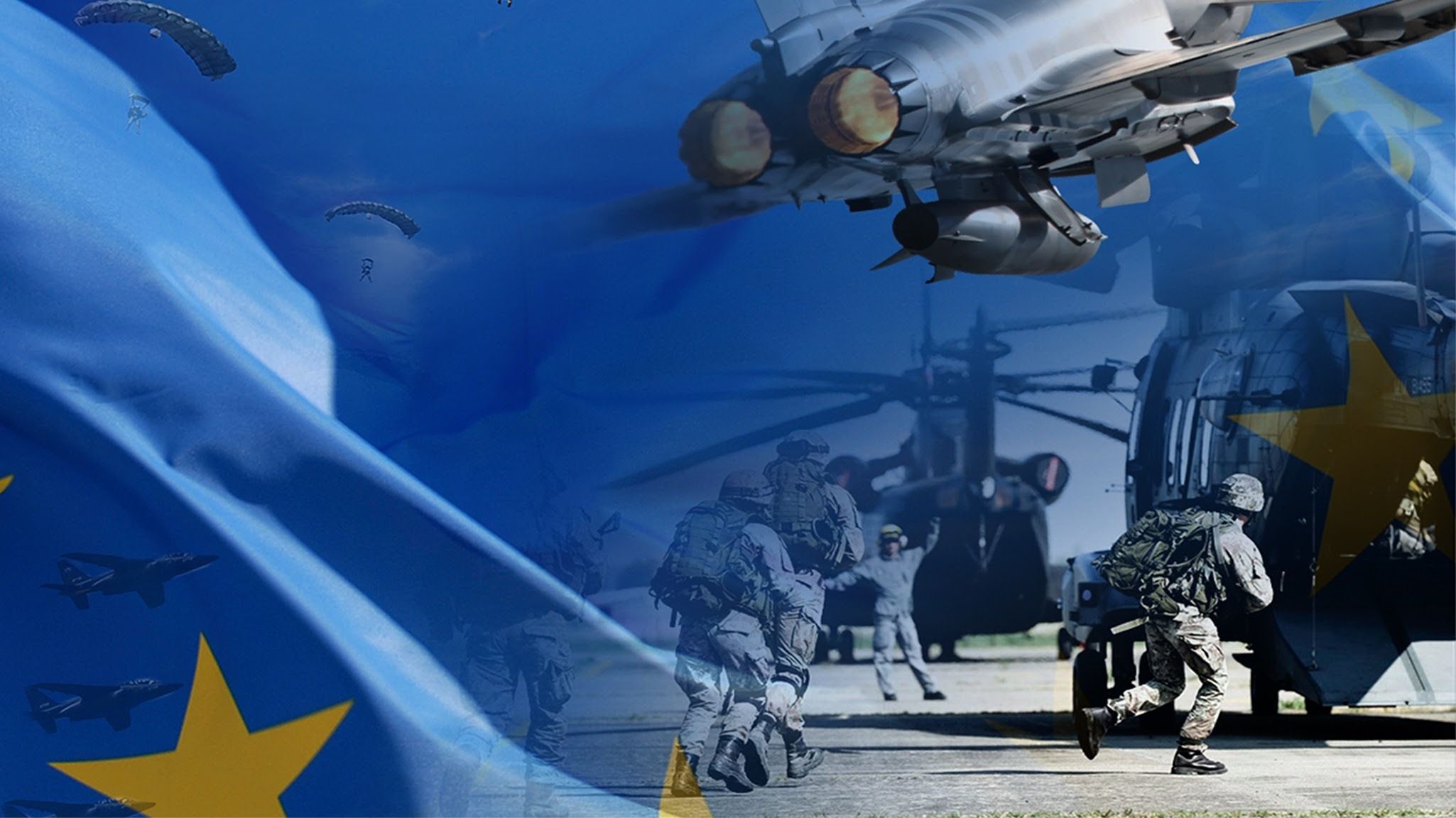
On Thursday,the Committee on Industry, Research and Energyand theCommittee on Security and Defenceadopted their position on the establishment of the Agile and Rapid Defence Innovation Programme (AGILE). This new proposal aims to accelerate innovation cycles and support the adoption of new technologies by the armed forces of Member States and European defence contractors, with a view to facilitating their roll-out across Europe. The technologies covered include artificial intelligence, quantum computing, robotics, cyber capabilities, space systems and unmanned aerial systems (UAS).
In their amendments to the draft regulation, MEPs emphasise the need for rapid, accessible and results-oriented support for SMEs, including innovative start-ups and scale-up companies. They propose that, wherever possible, grants under the programme should be awarded as lump sums, so that SMEs can focus on achieving the agreed production targets.
MEPs also propose strengthening controls over the transfer and ownership of the results of AGILE support, emphasising that any export of exclusive licences to non-partner third countries must be notified and approved.
Furthermore, MEPs wish to strengthen the rules on incentive measures, ensuring that EU funding cannot be granted to entities in third countries that contravene the security and defence interests of the EU and its Member States.
MEPs also state that, given the urgent need to support Ukraine with the most innovative and disruptive products from the European defence industrial base, any product supported by AGILE should be considered eligible for procurement by Ukraine through the Ukraine Support Loan.
A strategic plan for defence innovation within the framework of the next Multiannual Financial Framework (MFF).
AGILE will be a pilot programme of limited duration running throughout 2027 under the current Multiannual Financial Framework (MFF) 2021–2027, with a budget of €115 million. The experience gained will provide lessons and insights into the approach to defence innovation for the next MFF. MEPs state that the Commission should assess whether, if successful, the programme should be continued, adapted and strengthened.
Quotes
“Europe cannot afford to be slow when the threat is fast. AGILE is our response: agile funding, cutting red tape and closing the door completely on those who do not share our values. Innovation is Europe’s strength. Let’s make the most of it once and for all,” saidIvars Ijabs(Renew, Latvia), lead MEP for the Committee on Industry, Research and Energy (ITRE).
“By adopting the AGILE methodology, we are creating a faster and more effective path from defence innovation to operational deployment. By supporting SMEs and start-ups, strengthening resilience against dependence on third countries, facilitating procurement – including for Ukraine’s needs – and ensuring rigorous oversight, we are transforming promising technologies into real capabilities for our own security,” saidTonino Picula(S&D, Croatia), lead MEP for the Committee on Security and Defence (SEDE).
The Chair of ITRE,Borys Budka(EPP, Poland), said: “Russia’s aggression has changed the rules of the game: whoever innovates fastest wins. AGILE offers a four-month turnaround for grant awards, ensuring that real capital reaches agile start-ups rather than being held up by years of red tape. As chair of ITRE, I insisted that lump-sum funding should be the default option, because Europe’s most innovative SMEs do not have a grants department. Our aim now is to demonstrate that this model works, so that it becomes the model to follow for the next European Competitiveness Fund and the next generation of defence programmes.”
“With its strong mandate for AGILE, the Parliament is sending a clear message: European defence innovation must be driven by operational needs and provide the capabilities required to address Europe’s most pressing shortfalls,” said SEDE ChairMarie-Agnes Strack-Zimmermann (Renew, Germany). “AGILE will accelerate the development, testing and deployment of emerging technologies so that European armed forces can benefit from innovation as soon as possible.”
Next steps
The amendments to the legislative proposal were adopted jointly by the two committees with 76 votes in favour, 8 against and 7 abstentions. MEPs also voted in favour of opening negotiations with the Council, with 83 votes in favour and 8 against, with no abstentions. Interinstitutional negotiations will begin under the Irish Presidency of the Council, oncethe Council has adopted its own position on the matter.
Background
Whilst the EU has already developed a substantial framework for defence innovation, focused primarily on long-term, large-scale projects, AGILE aims to address the fact that emerging and disruptive technologies (including AI, quantum computing, robotics, cyber capabilities and space systems) are becoming increasingly critical to military effectiveness.
The AGILE programme will support the rapid innovation capacity of SMEs, including start-ups and larger companies, to develop innovative and disruptive defence products and technologies that address the most pressing challenges facing the armed forces of Member States, with a particular focus on cost-effectiveness and reducing strategic dependence on non-partner countries. It is designed to accelerate the transition from innovation to deployment, with an expected grant award timeframe of four months.
More information: European Parliament.
Publicaciones relacionadas:
 Legal Affairs MEPs call for protection of copyrighted works used by AI
 The Council agrees on a position to simplify the rules on artificial intelligence.
 The Commission presents the AGILE programme, with a budget of €115 million, to support agile and rapid innovation in the defence sector
 The Commission proposes measures for Google regarding the sharing of search engine data with third parties under the Digital Markets Act
 The European Commission is partnering with the European Defence Agency on BraveTech EU
Leave a Reply