
The European Commission has allocated €63 million in humanitarian aid to help populations affected by the ongoing conflict in Myanmar, as well as to support Rohingya refugees living in neighbouring countries, particularly Bangladesh. This funding, announced as the conflict triggered by the military coup in Myanmar enters its fifth year, is part of the EU’s initial allocation for 2026 in South and South-East Asia.
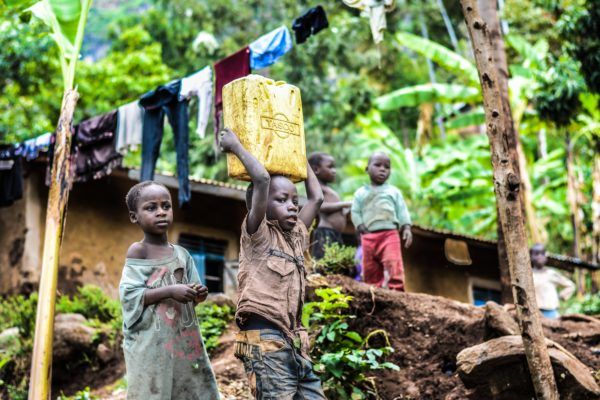
In the case of Myanmar, the more than £38.6 million allocated this year will be used to:
- Emergency food and nutrition assistance, given the high levels of food insecurity
- Shelter for people who have been forcibly displaced
- access to safe drinking water and sanitation
- Healthcare for populations affected by conflict and in hard-to-reach areas
- Mine risk education and assistance to landmine victims
- Education in emergency situations
The €23.4 million allocated to Bangladesh will support the nearly 1.2 million Rohingya refugees living in the country, mainly in Cox’s Bazar, as well as host communities. The funds will be used for vital assistance, including:
- food assistance and nutrition
- maintenance of camp shelters and other facilities
- provision of essential services such as healthcare, emergency education and access to water and sanitation
Given the regional dimension of the crisis in Myanmar, an additional allocation of €1 million will provide vital assistance to refugees and host communities in other countries such as India, Indonesia, Malaysia and Thailand.
All EU humanitarian funding is channelled through partner organisations, such as international NGOs and United Nations agencies.
Commissioner for Equality, Preparedness and Crisis Management Hadja Lahbib said:
As we mark half a decade since the dramatic escalation of the conflict in Myanmar, the EU remains committed to helping the most vulnerable communities in the country, as well as those who have been forced to flee abroad. With this new funding, humanitarian partners will continue to provide vital assistance, from food and shelter to emergency medical care and education for children. Once again, I urge all parties to respect international humanitarian law and ensure the protection of civilians and their access to essential services.
Fund
In Myanmar, humanitarian needs have increased dramatically since the military coup five years ago, and the situation was exacerbated by the powerful earthquake that struck the country in 2025. Following global funding cuts and a subsequent prioritisation exercise by the UN, the number of people prioritised for assistance due to the crisis in Myanmar has been reduced to just over 16 million, with more than 3.6 million forcibly displaced. Fighting affects most of the country, and the conflict is considered the second deadliest in the world.
As the conflict in Myanmar continues unabated, a safe return to the country remains impossible for the nearly 1.2 million Rohingya refugees living in Bangladesh. More than eight years after their mass exodus from Myanmar, and with more people fleeing the conflict to Bangladesh, living conditions in the camps remain precarious. A lack of livelihood opportunities and growing insecurity are pushing more and more refugees to risk dangerous journeys to Malaysia, Indonesia, Thailand and India.
More information: European Commission.
Publicaciones relacionadas:
 December 10 – Human Rights Day
 New measures to simplify the resolution of disputes out of court and boost consumer rights
 ComPAct: The European Commission’s first package of measures to support the modernisation of national administrations
 Rwanda: Statement by the High Representative on behalf of the EU on the occasion of the 30th commemoration of the Genocide Against the Tutsi
 Council gives green light to single work and residence permit for third-country nationals
Leave a Reply