• Skip to primary navigation
  • Skip to main content
  • Skip to primary sidebar
  • Skip to footer
  • Bluesky
  • Facebook
  • Instagram
  • Twitter
  • YouTube
CDE Almería – Centro de Documentación Europea – Universidad de Almería

CDE Almería - Centro de Documentación Europea - Universidad de Almería

Centro de Documentación Europea de la Universidad de Almería

  • HOME
  • WHAT´S ON
    • EU NEWS
    • Activities
    • EU Calls and Awards
    • Radio Program «Europe with You»
  • DOCUMENTATION
    • EU Media Collection
      • Web Space
      • MEDIATHEQUE REPOSITORY
  • Europe on the net
    • Institutions
    • EU Representation in Spain
    • European information network of Andalusia
  • ABOUT US
    • Presentation
    • Services
    • People
    • Contact
  • Spanish
  • English

Spanish film Sorda, among the finalists for the LUX 2026 Audience Award

Inicio » Noticias UE » Cultura y Educación » Cultura » Spanish film Sorda, among the finalists for the LUX 2026 Audience Award

8 de October de 2025

The feature films Christy, Sorda, It Was Just an Accident, Love Me Tender and Sentimental Value will compete for the LUX Audience Award, it was announced Tuesday in Strasbourg.

The five nominated films were selected by a panel of professional filmmakers from across the European Union.
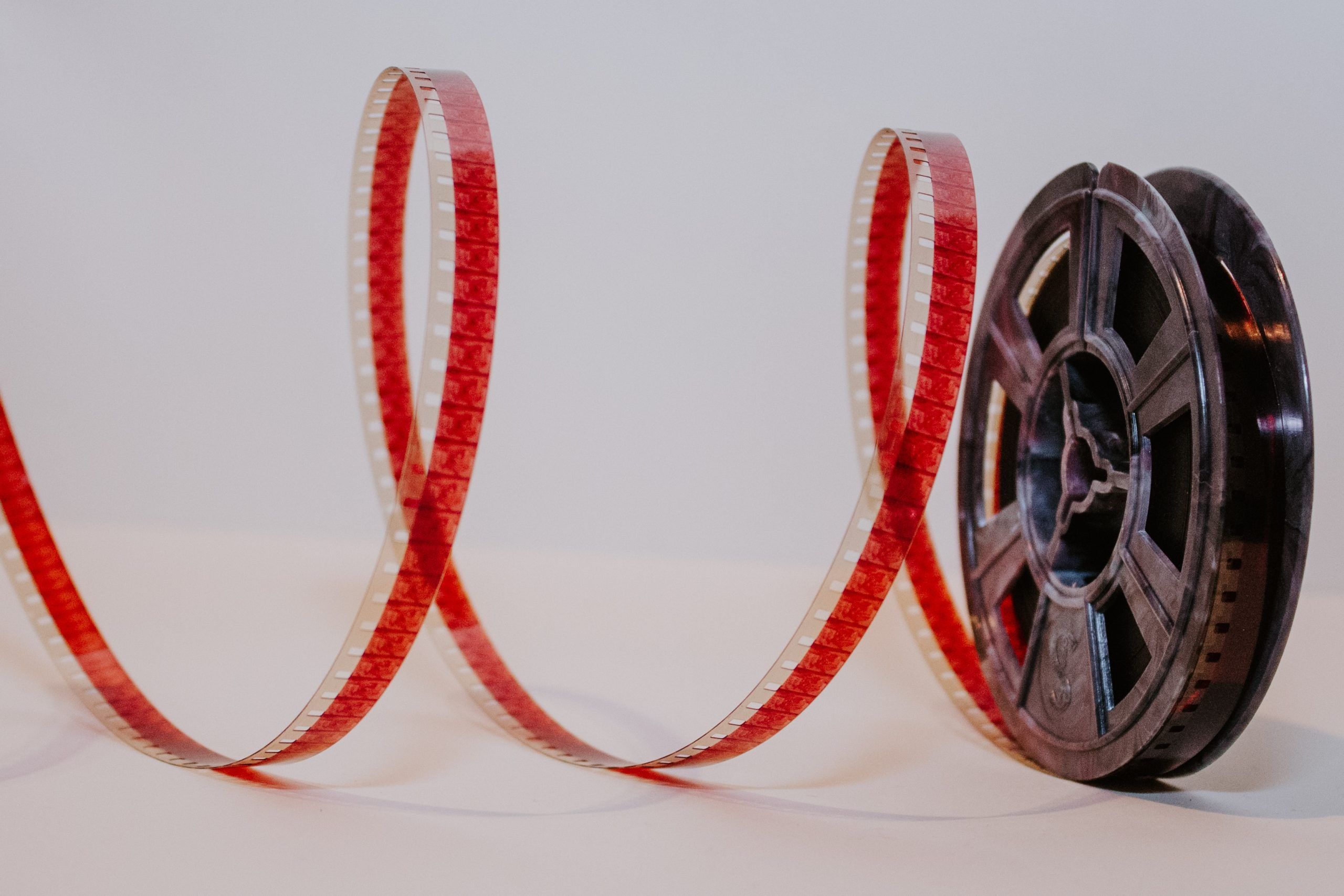
Bobina de película cinematográfica desenrollada, creando una espiral roja de película

“Film is part of who we are as Europeans. These films reflect the European Parliament’s commitment to upholding democracy, freedom and diversity, while addressing the challenges facing our societies, from inclusion and human rights to the mental health of young people. The LUX Audience Award aims to bring European cinema closer to people, wherever they live, and gives them the opportunity to see Europe from a different perspective,” said European Parliament President Roberta Metsola.

“This year’s shortlisted films show the diversity of our society, with its different structures, tensions and struggles. They succeed in touching us with powerful stories of great human depth and strong emotion. The five feature films testify to the need for a strong budget for culture, a key instrument for stronger, more inclusive and fairer democracies,” added EP Vice-President in charge of the LUX Audience Award, Sabine Verheyen.

“The LUX Prize is a unique tool for cultural and democratic expression. Viewers from all over Europe participate in choosing the best work from a selection of exceptional European films. In the European Parliament’s Culture and Education Committee we work to improve access to culture and conditions for creators. It is the EU’s responsibility to defend the independence of Europe’s cultural sector, and to celebrate the diversity of our film industry,” said Culture and Education Committee Chair Nela Riehl.

Deaf. Spanish director Eva Libertad tells the story of Angela, a deaf woman who is expecting a child with her hearing partner. Angela’s fears about motherhood and her ability to communicate and interact with her daughter increase as she faces the reality of raising a baby in a world that is not built for her.

Next steps

The five films will be screened free of charge in all EU countries until April 2026. In line with the European Parliament’s commitment to accessibility, and for the first time, the finalist films will be subtitled for deaf and hard of hearing people.

Citizens from all over Europe, as well as Members of the European Parliament, can vote for their favourite film on the LUX Audience Award voting platform. Their respective votes will represent 50% each of the final score of the feature films.

The ceremony to announce the winning film of the LUX Audience Award 2026 will take place in the hemicycle of the European Parliament in Brussels in mid-April 2026.

In the 2025 edition, more than 900 screenings of the selected films were organised, with debates involving more than 90,000 viewers. The winner was Flow by Gints Zilbalodis.

Context

Since 2020, the European Parliament and the European Film Academy have been awarding the LUX Audience Award, in partnership with the European Commission and the Europa Cinemas network. The award promotes dialogue and aims to be a meeting point between policy and audience. The award is combined with the Young Talent Programme, which aims to involve young film professionals in the promotion of European values and in the development of the LUX Audience Award project.

More information: European Parliament
Publicaciones relacionadas:

International Earth Day arbeit macht freiInternational Day of Holocaust Remembrance Imagen de los filmes finalistas de los Premios LUX 2023LUX Audience Award 2023: Hispanic-Italian production among the five finalists announced in Reykyavik The Europe Pavilion at the Book Fair celebrates Spain’s 40 years in the EU EUROPEAN DAY OF LANGUAGESEuropean Day of Languages 2020

Culture,  Education and Culture,  EU News actualidad,  Cine,  Cinema,  Cultura,  Europe,  European Film Academy,  European Parliament,  European Union,  LUX Audience Award,  News,  noticias,  Sorda,  Spanish film,  Unión Europea

“This is a space for debate. All comments, for or against publication, that are respectful and do not contain expressions that are discriminatory, defamatory or contrary to current legislation will be published”.

Reader Interactions

Leave a Reply Cancel reply

Your email address will not be published. Required fields are marked *

This site uses Akismet to reduce spam. Learn how your comment data is processed.

Primary Sidebar

Footer

  • CDE Almería
  • Biblioteca Nicolás Salmerón – Universidad de Almería
  • Planta: 1ª, Despacho: 1.05.0B.
  • Ctra. Sacramento s/n. Almería (Spain)
  • Teléfono: (+34) 950 015266

HOME
NEWS
DOCUMENTATION
EUROPE ON THE NET
ABOUT US

  • LEGAL NOTICE
  • PRIVACY POLICY
  • COOKIE POLICY
  • ACCESSIBILITY
  • SITEMAP

Copyright © 2026 CDE Almería · Creative Commons LicenseThis work is licensed under a Creative Commons Attribution-NonCommercial 4.0 International License.

<p>El Centro de Documentación Europea de la Universidad de Almería utiliza cookies propias y de terceros para facilitar al usuario la navegación en su página Web y el acceso a los distintos contenidos alojados en la misma. Asimismo, se utilizan cookies analíticas de terceros para medir la interacción de los usuarios con el sitio Web. Pinche el siguiente enlace si desea información sobre el uso de cookies y como deshabilitarlas. </p>

Politica de privacidad

El Centro de Documentación Europea de la Universidad de Almería utiliza cookies propias y de terceros para facilitar al usuario la navegación en su página Web y el acceso a los distintos contenidos alojados en la misma. Asimismo, se utilizan cookies analíticas de terceros para medir la interacción de los usuarios con el sitio Web. Pinche el siguiente enlace si desea información sobre el uso de cookies y como deshabilitarlas. <a href="/politica-de-cookies" rel="noopener" target="_blank">Más información</a>

Cookies estrictamente necesarias

Las cookies estrictamente necesarias tiene que activarse siempre para que podamos guardar tus preferencias de ajustes de cookies.

Básicamente la web no funcionara bien si no las activas.

Estas cookies son:

  • Comprobación de inicio de sesión.
  • Cookies de seguridad.
  • Aceptación/rechazo previo de cookies.
Cookies de terceros

Esta web utiliza Google Analytics, Google Tag Manager y Yandex Metrika para recopilar información anónima tal como el número de visitantes del sitio, o las páginas más populares.

Dejar estas cookies activas nos permite mejorar nuestra web.

Política de cookies

Pinche el siguiente enlace si desea información sobre el uso de cookies y como deshabilitarlas. Más información