
The European Commission has decided to refer the case concerning Poland (INFR (2021) 2067) to the Court of Justice of the European Union for failing to bring its legislation into line with the Seveso III Directive (Directive 2012/18/EU).
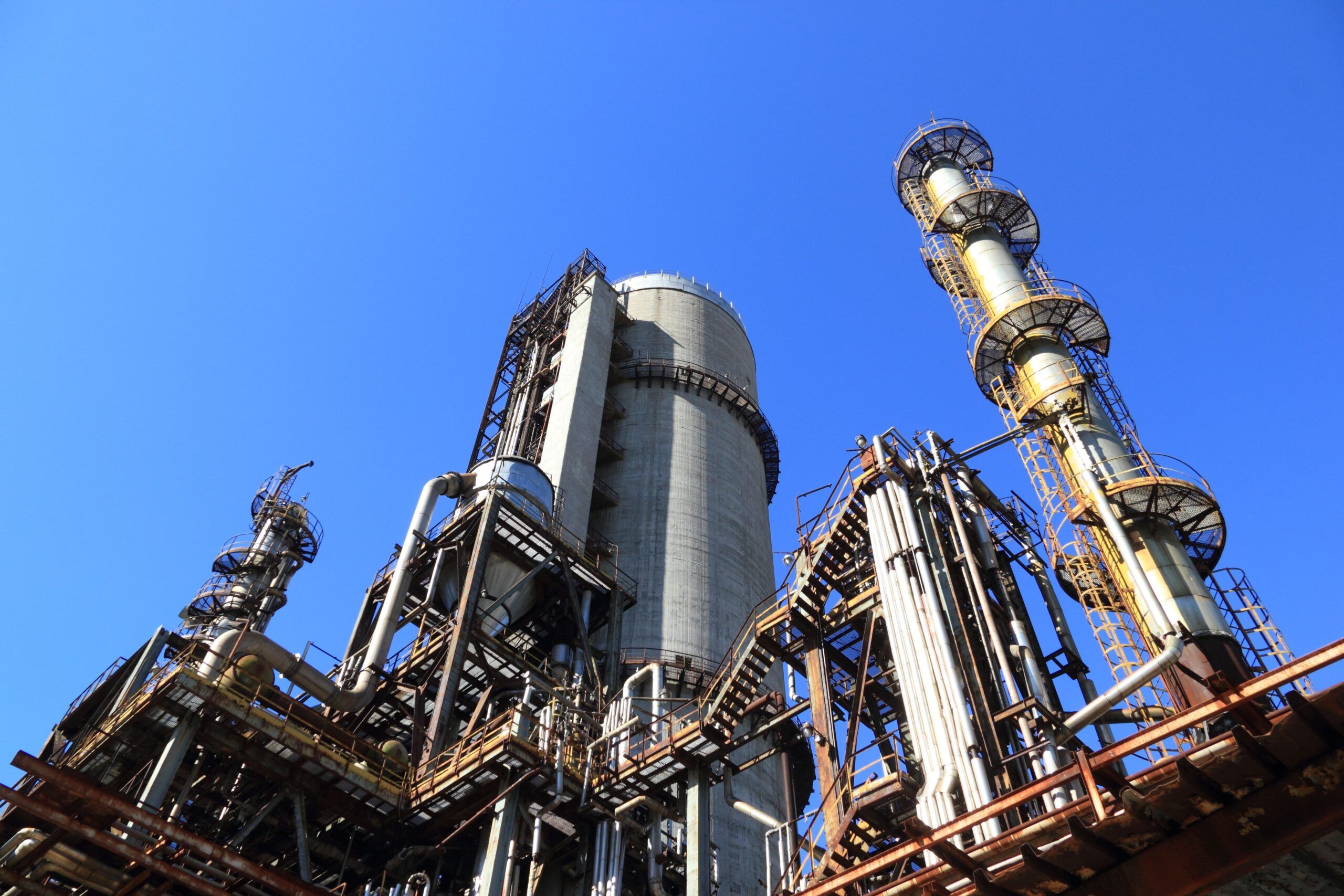
The Directive aims to prevent major accidents (such as large-scale releases, fires or explosions) involving dangerous substances, particularly chemicals, and to limit their negative impact on human health and the environment. It applies to some 11,000 industrial sites across the European Union, for example in the chemical and petrochemical industries, as well as in the wholesale distribution and storage of fuels.
Poland has not yet fully and correctly transposed the Directive. For example, it has not adequately transposed the operators’ obligations regarding the content and public availability of safety reports, which ensure transparency for citizens regarding the risks that industrial installations may pose. Nor has it correctly transposed the provisions on emergency plans, land-use planning and the measures to be taken by the competent authorities following a major accident, the aim of which is to improve preparedness, reduce risks and mitigate the consequences of industrial accidents.
The Commission sent a letter of formal notice to Poland in June 2021 and a reasoned opinion in December 2024. Although Poland undertook to remedy the infringement identified in its response to the reasoned opinion, Polish legislation has not yet been amended.
The Commission considers that the efforts made by the Polish authorities to adopt the necessary measures to amend national legislation have been insufficient and is therefore referring Poland’s case to the Court of Justice of the European Union.
Substance
On 10 July 1976, a serious industrial accident in Seveso, Italy, exposed thousands of people and vast areas to a cloud of toxic dioxin, a persistent environmental pollutant. Following this incident, the EU took decisive action to prevent and control such accidents through the Seveso Directive, which came into force in 1982. This pioneering legislation brought about a significant reduction in the risk of major accidents across the EU, minimising harm to people, property and the environment, and inspired similar safety laws and standards around the world.
Today, the Seveso Directive remains the backbone of the EU’s industrial safety framework, as it provides for more rigorous risk assessments, safer land-use planning, more robust safety management and better emergency preparedness. Specifically, companies must prevent major accidents and limit their consequences, whilst the authorities ensure supervision and public safety.
Strict rules apply to sites handling large quantities of hazardous substances, for example regarding inspections and access to information.
More information: European Commission
Publicaciones relacionadas:
 The Commission launches a public consultation on the review of EU tobacco legislation
 The European Parliament’s priorities for the new anti-corruption strategy
 Commission welcomes deal on compulsory licensing to boost EU crisis readiness.
 Commission acts to enforce timely EU directive transposition
 Commission launches whistleblowing tool under the AI Regulation
Leave a Reply