
• Skip to primary navigation
  • Skip to main content
  • Skip to primary sidebar
  • Skip to footer
  • Bluesky
  • Facebook
  • Instagram
  • Twitter
  • YouTube
CDE Almería – Centro de Documentación Europea – Universidad de Almería

CDE Almería - Centro de Documentación Europea - Universidad de Almería

Centro de Documentación Europea de la Universidad de Almería

  • HOME
  • WHAT´S ON
    • EU NEWS
    • Activities
    • EU Calls and Awards
    • Radio Program «Europe with You»
  • DOCUMENTATION
    • EU Media Collection
      • Web Space
      • MEDIATHEQUE REPOSITORY
  • Europe on the net
    • Institutions
    • EU Representation in Spain
    • European information network of Andalusia
  • ABOUT US
    • Presentation
    • Services
    • People
    • Contact
  • Spanish
  • English

Is climate change changing the taste of beer? CORDIS responds

Inicio » EU News » Environmental Affairs » Is climate change changing the taste of beer? CORDIS responds

26 de October de 2023

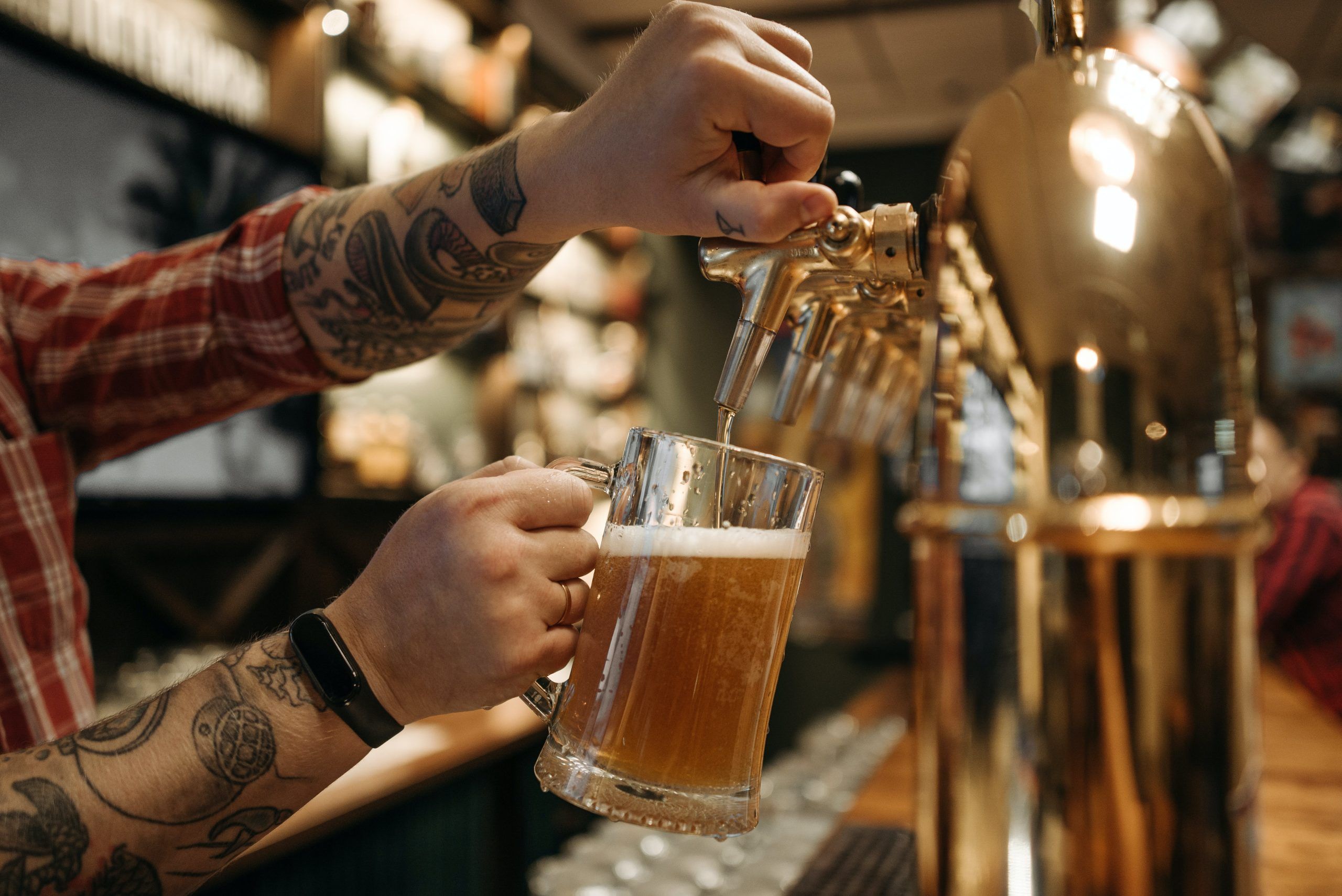
The taste and aroma of European beers is under threat because of a changing climate.

Europeans do love their beer. It has been a diet staple for thousands of years, and become deeply ingrained in tradition and culture. In 2022, the 27 EU Member States produced nearly 34.3 billion litres of beer containing alcohol and 1.6 billion litres of beer with under 0.5 % alcohol or no alcohol content. The EU’s total beer production was equivalent to almost 80 litres per inhabitant.

Beer supply shortage on tap

However, according to research published in ‘Nature Communications’, climate change is making it harder to grow hops – a key ingredient in beer besides water, yeast and malt. These aromatic plants give beer its distinctive bitter taste. Hops are mainly grown in Czechia and Germany. The average annual hop yields throughout most of Europe have been declining since the mid-1990s. A research team from the Czech Academy of Sciences (CAS) and Cambridge University revealed that hops could decline by as much as 18 % in Europe by 2050. The culprit is warmer, drier weather in recent years. “Aromatic hops from traditional European regions are the ‘spice’ that gives the right taste and aroma to the best premium and craft beers around the world,” lead author and CAS research scientist Martin Možný explained in ‘USA Today’. “It is exported to all countries that produce better beers.”

Is it in our DNA to be vegetarian? CORDIS answers

The bitter news

“One of the side motives of this study was to illustrate how climate change might be important for even those who think it doesn’t matter,” co-author and CAS senior researcher Miroslav Trnka told ‘CNN’. “We are really seeing changes that are affecting things that we value, like the taste of beer. Climate change really can have an effect on it ….” “Beer drinkers will definitely see the climate change, either in the price tag or the quality,” Prof. Trnka added in ‘The Guardian’. “That seems to be inevitable from our data.” The researchers examined hop production for the periods 1971-1994 and 1995-2018 in Czechia, Germany and Slovenia. Findings showed that rising temperatures had shifted the start of the hop-growing season by 13 days from 1970 to 2018. By simulating future crops and climate conditions, they found that there was a decline of nearly 20 % in output in several key hop-growing areas. “Across the pubs of Europe, the most frequent debate except weather and politics is about the … beer,” stated Prof. Trnka. As you’re taking another sip of your favourite beer, keep in mind it’s this very weather and politics that could be affecting its quality and quantity.

Soruce: CORDIS

Publicaciones relacionadas:

Commission prepares new initiatives to boost the organic farming sector Education for a greener, more sustainable Europe: Share your ideas! Is a cow’s stomach the answer to breaking down hard-to-recycle plastic? Farm to Fork Strategy: the EU Code of Conduct on Responsible Food Business and Marketing Practices Conference on the Green Deal and Andalusian Agri-food Sector




Agriculture, Livestock Farming and Fisheries,  Environmental Affairs,  EU News alcohol,  aroma,  beer,  Climate Change,  hops,  taste

“This is a space for debate. All comments, for or against publication, that are respectful and do not contain expressions that are discriminatory, defamatory or contrary to current legislation will be published”.

Reader Interactions

Leave a Reply Cancel reply

Your email address will not be published. Required fields are marked *

This site uses Akismet to reduce spam. Learn how your comment data is processed.

Primary Sidebar

Footer

  • CDE Almería
  • Biblioteca Nicolás Salmerón – Universidad de Almería
  • Planta: 1ª, Despacho: 1.05.0B.
  • Ctra. Sacramento s/n. Almería (Spain)
  • Teléfono: (+34) 950 015266

HOME
NEWS
DOCUMENTATION
EUROPE ON THE NET
ABOUT US

  • LEGAL NOTICE
  • PRIVACY POLICY
  • COOKIE POLICY
  • ACCESSIBILITY
  • SITEMAP

Copyright © 2026 CDE Almería · Creative Commons LicenseThis work is licensed under a Creative Commons Attribution-NonCommercial 4.0 International License.

<p>El Centro de Documentación Europea de la Universidad de Almería utiliza cookies propias y de terceros para facilitar al usuario la navegación en su página Web y el acceso a los distintos contenidos alojados en la misma. Asimismo, se utilizan cookies analíticas de terceros para medir la interacción de los usuarios con el sitio Web. Pinche el siguiente enlace si desea información sobre el uso de cookies y como deshabilitarlas. </p>

Politica de privacidad

El Centro de Documentación Europea de la Universidad de Almería utiliza cookies propias y de terceros para facilitar al usuario la navegación en su página Web y el acceso a los distintos contenidos alojados en la misma. Asimismo, se utilizan cookies analíticas de terceros para medir la interacción de los usuarios con el sitio Web. Pinche el siguiente enlace si desea información sobre el uso de cookies y como deshabilitarlas. <a href="/politica-de-cookies" rel="noopener" target="_blank">Más información</a>

Cookies estrictamente necesarias

Las cookies estrictamente necesarias tiene que activarse siempre para que podamos guardar tus preferencias de ajustes de cookies.

Básicamente la web no funcionara bien si no las activas.

Estas cookies son:

  • Comprobación de inicio de sesión.
  • Cookies de seguridad.
  • Aceptación/rechazo previo de cookies.
Cookies de terceros

Esta web utiliza Google Analytics, Google Tag Manager y Yandex Metrika para recopilar información anónima tal como el número de visitantes del sitio, o las páginas más populares.

Dejar estas cookies activas nos permite mejorar nuestra web.

Política de cookies

Pinche el siguiente enlace si desea información sobre el uso de cookies y como deshabilitarlas. Más información