• Skip to primary navigation
  • Skip to main content
  • Skip to primary sidebar
  • Skip to footer
  • Bluesky
  • Facebook
  • Instagram
  • Twitter
  • YouTube
CDE Almería – Centro de Documentación Europea – Universidad de Almería

CDE Almería - Centro de Documentación Europea - Universidad de Almería

Centro de Documentación Europea de la Universidad de Almería

  • HOME
  • WHAT´S ON
    • EU NEWS
    • Activities
    • EU Calls and Awards
    • Radio Program «Europe with You»
  • DOCUMENTATION
    • EU Media Collection
      • Web Space
      • MEDIATHEQUE REPOSITORY
  • Europe on the net
    • Institutions
    • EU Representation in Spain
    • European information network of Andalusia
  • ABOUT US
    • Presentation
    • Services
    • People
    • Contact
  • Spanish
  • English

How the pandemic has changed forever the way we teach

Inicio » EU News » Health » Diseases » How the pandemic has changed forever the way we teach

18 de November de 2020

This year’s global pandemic exposed as never before the urgent need to revolutionise teacher training as skills centres and vocational education and training schools were closed around the world, forcing a sudden switch to online learning.
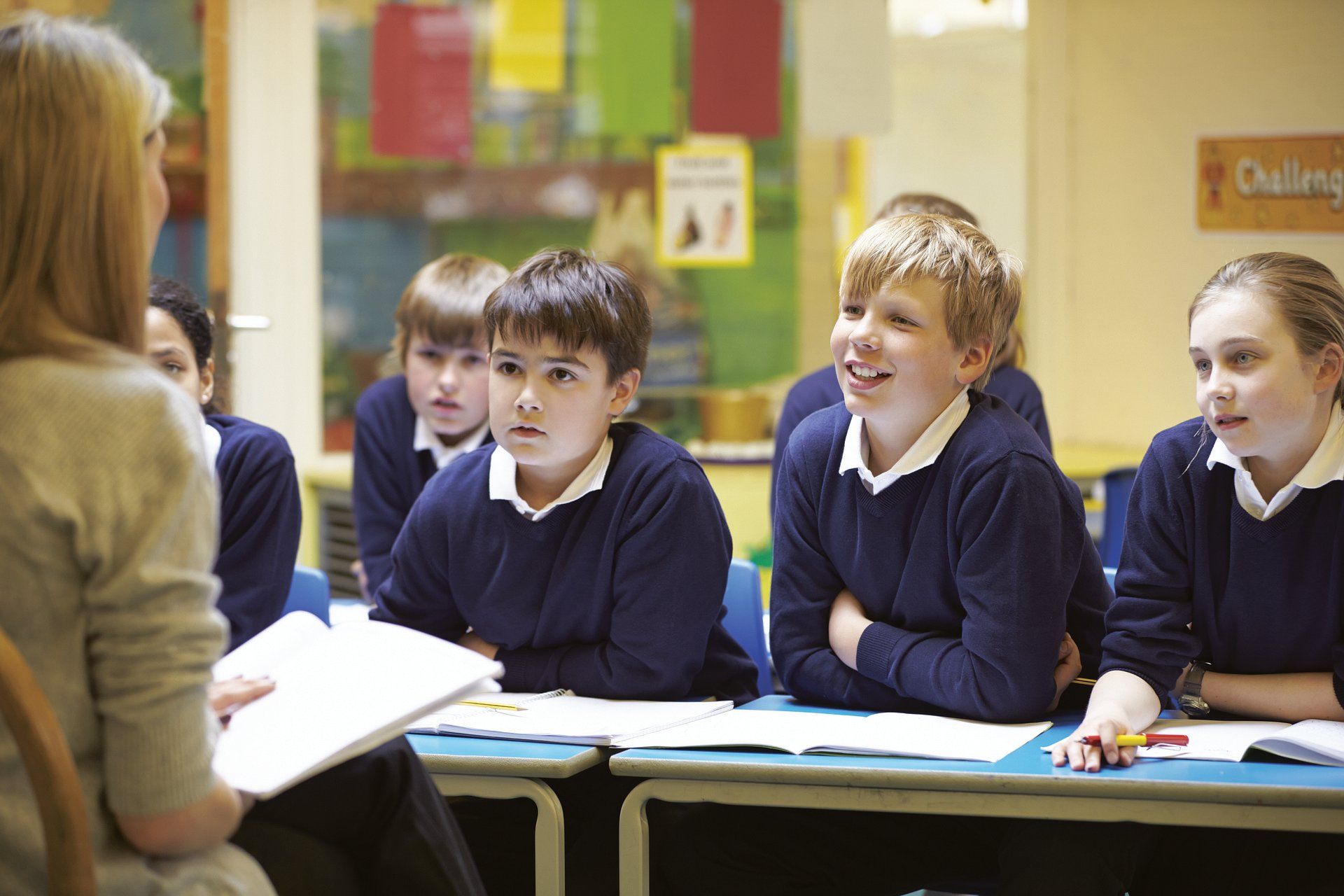
Countries that had already started investing heavily online and blended education (where digitally-based distance learning is combined with practical training when and where possible) were better positioned to cope with the sudden shift off-campus, says Julian Stanley, a European Training Foundation expert in teaching and teacher training.

As this week’s ETF focus on teacher training gets underway with a raft of online events, including a webinar on Wednesday November 18 on ‘Exploring distance and online learning in Central Asia’ and a session on Friday, November 20 ‘Should we change our approach to summative assessment?’, he details the work the ETF had been doing to support the continuous professional development (CPD) of teachers in this most challenging of years.

“At a high level, we’ve been doing an international survey of teachers, their views and their working conditions, called ‘Listening to Teachers'”, Mr Stanley said.

Part of a two year pilot project with teachers in countries including Algeria, Tunisia, Albania, North Macedonia, Serbia, Montenegro, Belarus and Turkey, the survey is designed to provide policymakers, authorities and vocational schools with a better understanding of the training and professional support needs teachers and skills trainers require today.

There has also been a scheme to support teachers and those involved in teacher training policy to better understanding how teachers can be supported through networks and peer-to-peer learning at a time of rapid change in the demands facing the profession.

“We’ve addressed such issues as how to do distance teacher training, teacher welfare, the opening and closure of schools during lockdowns – a raft of things to find out where teachers are now and to explore through international webinars different approaches and practices.”

More information

Full News – European Training Foundation

Publicaciones relacionadas:

dos niñas pequeñas escriben concentradas en un cuadernoThe impact of COVID-19 on education systems and specialist provision Coronavirus: online learning resources Can the coronavirus pandemic improve our schools? Impact of COVID-19 on the Erasmus programme and the EU Solidarity Corps The science behind embracing new forms of social organisation after Confinement




Diseases,  Education and Culture,  EU News,  Health,  Teaching and Education covid-19,  eduaction

“This is a space for debate. All comments, for or against publication, that are respectful and do not contain expressions that are discriminatory, defamatory or contrary to current legislation will be published”.

Reader Interactions

Leave a Reply Cancel reply

Your email address will not be published. Required fields are marked *

This site uses Akismet to reduce spam. Learn how your comment data is processed.

Primary Sidebar

Footer

  • CDE Almería
  • Biblioteca Nicolás Salmerón – Universidad de Almería
  • Planta: 1ª, Despacho: 1.05.0B.
  • Ctra. Sacramento s/n. Almería (Spain)
  • Teléfono: (+34) 950 015266

HOME
NEWS
DOCUMENTATION
EUROPE ON THE NET
ABOUT US

  • LEGAL NOTICE
  • PRIVACY POLICY
  • COOKIE POLICY
  • ACCESSIBILITY
  • SITEMAP

Copyright © 2026 CDE Almería · Creative Commons LicenseThis work is licensed under a Creative Commons Attribution-NonCommercial 4.0 International License.

<p>El Centro de Documentación Europea de la Universidad de Almería utiliza cookies propias y de terceros para facilitar al usuario la navegación en su página Web y el acceso a los distintos contenidos alojados en la misma. Asimismo, se utilizan cookies analíticas de terceros para medir la interacción de los usuarios con el sitio Web. Pinche el siguiente enlace si desea información sobre el uso de cookies y como deshabilitarlas. </p>

Politica de privacidad

El Centro de Documentación Europea de la Universidad de Almería utiliza cookies propias y de terceros para facilitar al usuario la navegación en su página Web y el acceso a los distintos contenidos alojados en la misma. Asimismo, se utilizan cookies analíticas de terceros para medir la interacción de los usuarios con el sitio Web. Pinche el siguiente enlace si desea información sobre el uso de cookies y como deshabilitarlas. <a href="/politica-de-cookies" rel="noopener" target="_blank">Más información</a>

Cookies estrictamente necesarias

Las cookies estrictamente necesarias tiene que activarse siempre para que podamos guardar tus preferencias de ajustes de cookies.

Básicamente la web no funcionara bien si no las activas.

Estas cookies son:

  • Comprobación de inicio de sesión.
  • Cookies de seguridad.
  • Aceptación/rechazo previo de cookies.
Cookies de terceros

Esta web utiliza Google Analytics, Google Tag Manager y Yandex Metrika para recopilar información anónima tal como el número de visitantes del sitio, o las páginas más populares.

Dejar estas cookies activas nos permite mejorar nuestra web.

Política de cookies

Pinche el siguiente enlace si desea información sobre el uso de cookies y como deshabilitarlas. Más información