
Energy intensive industries in Europe depend on the one hand on very large volumes of minerals and other raw materials (e.g. 70% of process manufacturing depends on minerals and metals). On the other hand, they heavily rely on imports from third countries (extraction in Europe covers only 29% of the demand).
 Specific Challenge
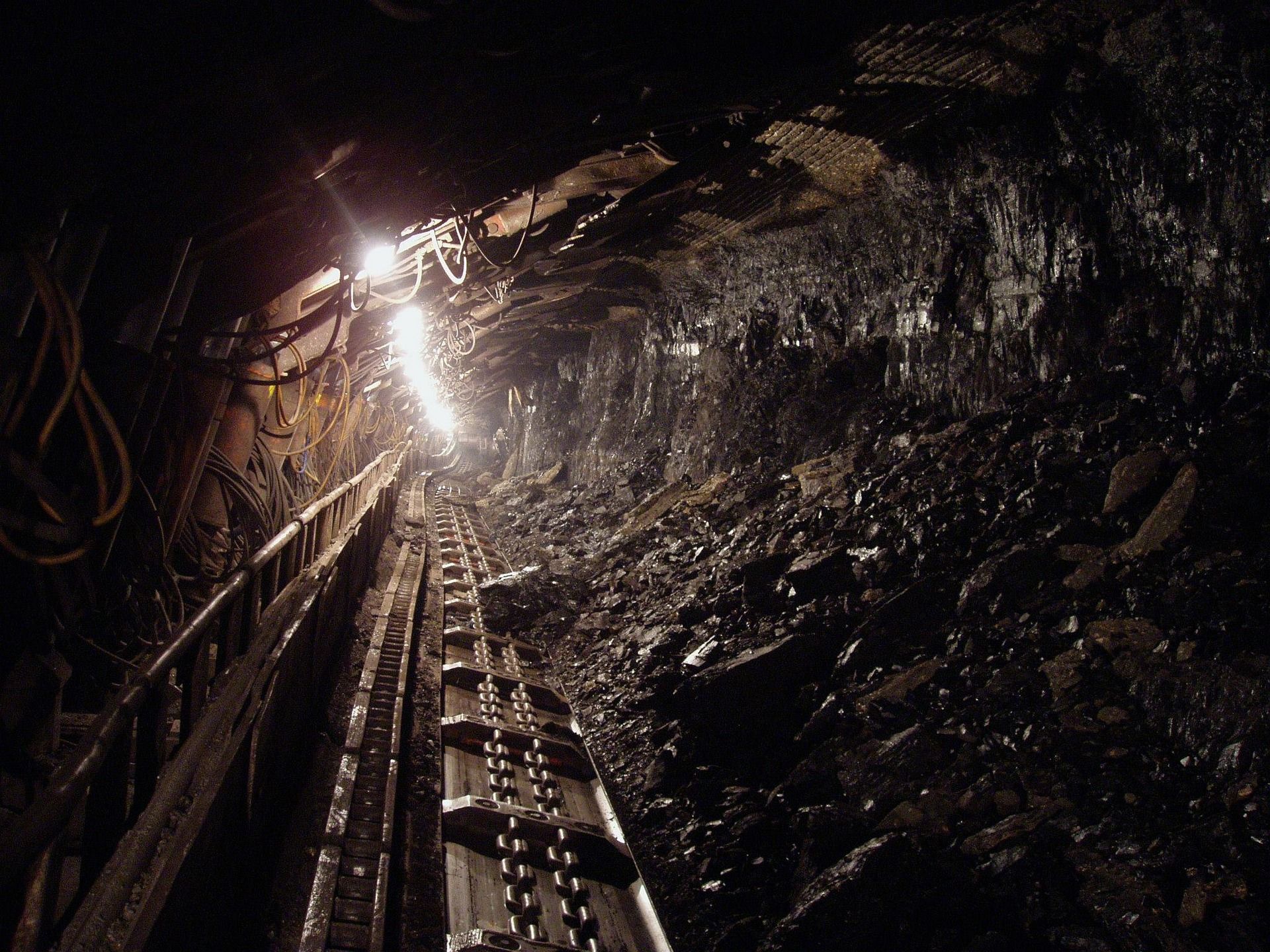
The challenge is to develop technologies for the uptake of secondary raw materials based on industrial symbiosis, waste collection, or water treatment systems, and leading to new value chains or even value loops (i.e. reusing waste, by-products and recycled materials repeatedly) instead of just further optimising existing processes. Such new technologies should enable overcoming barriers such as low costs of primary raw materials or differences in taxes across countries and regions.
Scope
Proposals should address the development of new high volume value loops and integrated supply chains through industrial processes enabling the cross-sectorial, symbiotic, use of mineral waste, by-products and end-of-life materials from other industry sectors. The secondary materials can be used either as raw material for the production process or can be introduced in a subsequent process step to an intermediate product where they become a constituent of the final product. Composition variability of wastes or by-products can be addressed either by purification processes prior to production, or within the production process.
The following aspects should also be considered:
- Product specifications according to customer expectations (e.g. durability, versatility, quality, traceability), clearly shown by involving relevant actors in the value chain;
- Economic viability of the proposed processes together with potential new business concepts and simplified methodologies;
- Regulatory aspects such as transport and use of secondary material in new products put on the market.
- Information guides should be provided before the end of the project. These should address elements covering the quality of information from product manufacturers, for the efficient use of secondary materials (beneficiation, quality concepts, test procedures, applications and training) and facilitate decision making.
Proof of concept should be delivered at pilot or demo scale (excluding commercially usable prototypes) to demonstrate convincingly scalability towards industrial applications. Projects are encouraged to develop advanced modelling tools or to use them to build dedicated pilot installations.
Proposals submitted under this topic should include a business case and exploitation strategy, as outlined in the Introduction of this part of the Work Programme.
The Commission considers that proposals requesting a contribution from the EU between EUR 8 and 12 million would allow this specific challenge to be addressed appropriately. Nonetheless, this does not preclude submission and selection of proposals requesting other amounts.
Expected Impact
Several of the following impacts are expected:
- Reduction potential of at least 30% of primary raw material use per ton of main high volume final product.
- Reduction of waste generation by at least 25%.
- Significant energy savings and reductions in CO2 emissions (including through a higher share of renewable energy) in the overall sustainable production lines in which the technology is fully integrated.
- Secure and sustainable provision of secondary resources at total cost lower than existing solutions.
- Contribution to new standards for the use of secondary materials for new products.
- Effective dissemination of major innovation outcomes to the current and next generation of employees, through the development of learning resources with flexible usability. These should be easily integrable in existing curricula and modules for undergraduate level and lifelong learning programmes.
- The environmental gains in absolute figures, and weighted against EU and global environmental footprints, should be demonstrated.
- In addition, the replication potential should also be assessed.
Deadline
05 February 2020 at 17:00 Brussels time
More information
Publicaciones relacionadas:
 EEA Photo Competition “Sustainably Yours”
 Horizon 2020: FutureEnginePrize-01-2016
 H2020: BBI-RIA: Development of technologies to improve profitability and sustainability in biorefinery operations
 WWOOF – World Wide Opportunities on Organic Farms
 H2020: Secure, clean and efficient energy: Converting Sunlight to storable chemical energy
Leave a Reply