

Parliament’s latest assessment of the state of fundamental rights in the EU identifies numerous concerns and demands member states act in defence of European values.
On Thursday, MEPs assessed the state of fundamental values in the EU in 2020 – 2021, identifying areas of concern and proposing ways to protect freedom, equality and the rule of law more effectively. The text was approved with 410 votes for, 131 against, and 42 abstentions.

Application of EU law: Upholding rights, fundamental freedoms and the rule of law |
Multifaceted threats to EU values
MEPs are concerned about the impact of COVID-19 measures on democracy and core freedoms, including the rights of people dealing with the legal system and law enforcement, and prisoners. They also regret the persistent rule of law violations in some member states, once again stating that the rule of law, democracy and fundamental rights are inextricably linked.
In order to protect these EU values, and the fair and legal distribution of EU funds, Parliament calls on the Commission to employ the EU’s budget conditionality mechanism. MEPs condemn Poland and Hungary for not complying with the judgements of the European Court of Justice, and in response ask for concrete action by the EU institutions.
Parliament reiterates the importance of protecting journalists from attempts to use the legal system to silence reporting (so-called SLAPPs), and from threats, attacks, and violence. MEPs are concerned about the rising number of state authorities using spyware like Pegasus in violation of EU values.
Vulnerable groups need to be better protected
MEPs denounce again gender-based violence and demand Bulgaria, Czechia, Hungary, Latvia, Lithuania and Slovakia, and the EU itself ratify the Istanbul Convention. They also speak up against anti-gender and anti-feminist movements that systematically attack women’s and LGBTIQ+ rights, and condemn a backlash against women’s rights (including sexual and reproductive health), highlighting in particular developments in Poland, Slovakia, Croatia and Lithuania. They welcome the July 2021 infringement package against Hungary and Poland, the first time the Commission specifically launched infringements to safeguard LGBTIQ rights.
Parliament also demands the full implementation of the EU Framework Decision on combating racism and xenophobia and welcome the Commission proposal to include hate crime/speech in the list of EU crimes. Persistent structural racism (including police violence against Roma people) also needs addressing by member states, according to MEPs, who call for improvements in criminal justice, education, housing, and employment.
Parliament strongly condemns border pushbacks and violence against migrants, and the criminalisation of humanitarian workers and activists. For Frontex to not be complicit in these actions, MEPs ask that it suspend operations in the member states where they occur.
What do fundamental rights mean for people in the EU? |
More information
Publicaciones relacionadas:
 First Annual Report on the Rule of Law situation across the European Union
 EU reaches political agreement on updated enforcement regulation
 Boeing WTO case: The EU puts in place countermeasures against U.S. exports
 New Cosumers Agenda: Helping EU consumers make the most of their rights
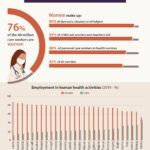 Women’s rights in the EU
Leave a Reply