• Skip to primary navigation
  • Skip to main content
  • Skip to primary sidebar
  • Skip to footer
  • Bluesky
  • Facebook
  • Instagram
  • Twitter
  • YouTube
CDE Almería – Centro de Documentación Europea – Universidad de Almería

CDE Almería - Centro de Documentación Europea - Universidad de Almería

Centro de Documentación Europea de la Universidad de Almería

  • HOME
  • WHAT´S ON
    • EU NEWS
    • Activities
    • EU Calls and Awards
    • Radio Program «Europe with You»
  • DOCUMENTATION
    • EU Media Collection
      • Web Space
      • MEDIATHEQUE REPOSITORY
  • Europe on the net
    • Institutions
    • EU Representation in Spain
    • European information network of Andalusia
  • ABOUT US
    • Presentation
    • Services
    • People
    • Contact
  • Spanish
  • English

Experts reflect on hypervelocity systems

Inicio » EU News » Research and Innovation » Technology » Experts reflect on hypervelocity systems

26 de October de 2020

Experts from 12 EDA Member States as well as Norway and Switzerland participated in an online workshop organised by the Agency to identify and discuss research & technology needs as well as potential future applications of hypervelocity systems.
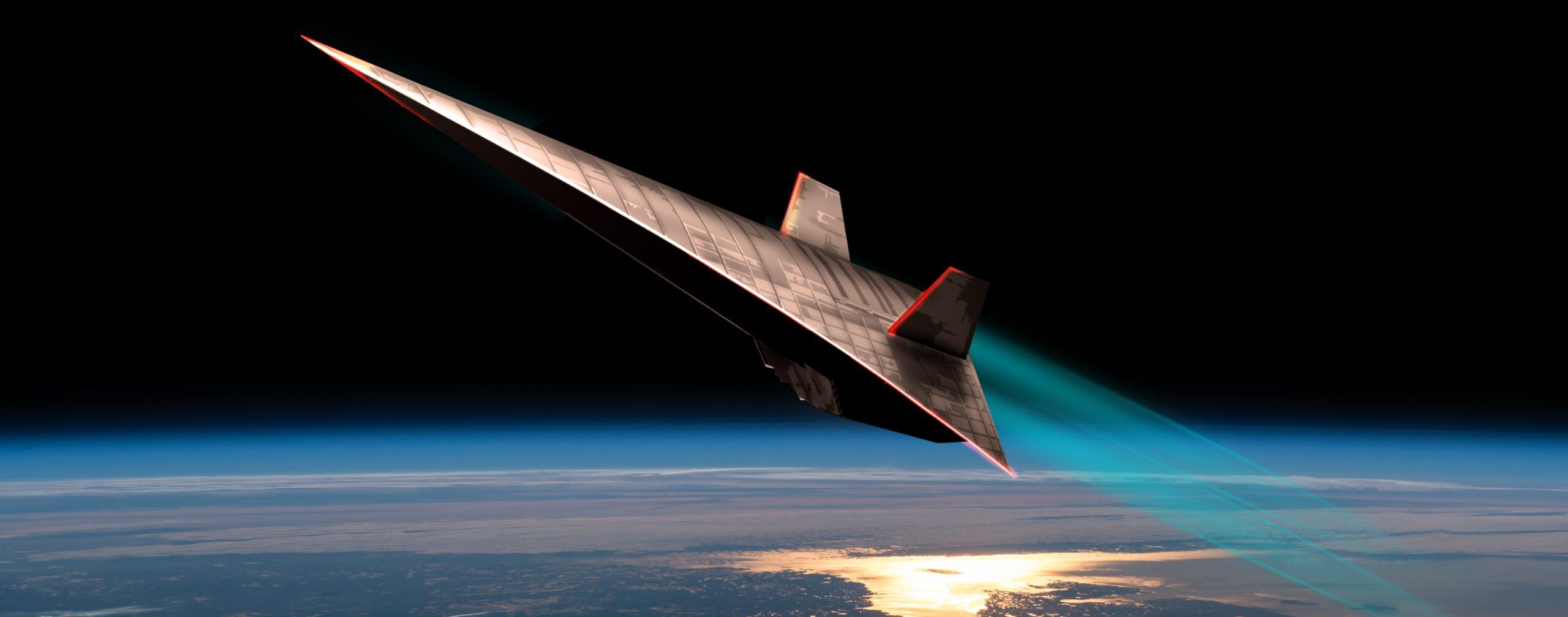
The workshop (12-13 October) took place as part of an ongoing series of EDA Technology Foresight Workshops which aim to assess the potential of emerging technologies which are expected to strongly impact future defence capabilities. Hypervelocity is without doubt among these, given its high potential for application and disruptiveness in the defence domain.

Against this backdrop, last week’s workshop gathered some 90 European subject matter experts to discuss current and future hypervelocity technologies and associated R&T needs. The topic was approached from different angles, including hypersonic transport, effectors and protection against hypervelocity threats. More detailed discussion took place on propulsion and launching platforms, manoeuvrability, trajectory, questions related to information management as well as guidance and control of such hypervelocity systems. In this way, the workshop comprehensively covered the defence view on hypervelocity from an EU perspective and its required autonomy. Furthermore, potential synergies with the civilian sector were also discussed.

The workshop on hypervelocity systems was conducted virtually over a period of two working days, with the support of Ingeniería de Sistemas para la Defensa de Espana (Isdefe), under a specific contract with EDA. At the beginning, participants attended a plenary session during which keynote speakers introduced the topic and set the scene of hypervelocity, the expected advantages, examples of use cases and the current challenges, such as suitable test systems. Afterwards, participants were separated in smaller groups (virtual tables) in which they thoroughly discussed the subject of hypervelocity from different perspectives. In a final plenary session, the results of the virtual tables discussions were presented and summarized. The workshop results will be further analysed in the upcoming weeks and a comprehensive report will be elaborated for EDA participating Member States’ Ministries of Defence. It will include the main conclusions and recommendations for Member States concerning hypervelocity applications for defence, research needs and possible dual-use synergies.

More information

Press Release. EDA

Publicaciones relacionadas:

New R&D project to focus on interoperability standards for unmanned systems ​ CROWN: European multifunction radiofrequency system project launched Experts assess potential of High-Power Electromagnetic Munitions EDA to support ‘European Patrol Corvette’ PESCO project Emerging propulsion technologies for air and space



EU News,  Research and Innovation,  Technology defence,  EDA,  hypervelocity

“This is a space for debate. All comments, for or against publication, that are respectful and do not contain expressions that are discriminatory, defamatory or contrary to current legislation will be published”.

Reader Interactions

Leave a Reply Cancel reply

Your email address will not be published. Required fields are marked *

This site uses Akismet to reduce spam. Learn how your comment data is processed.

Primary Sidebar

Footer

  • CDE Almería
  • Biblioteca Nicolás Salmerón – Universidad de Almería
  • Planta: 1ª, Despacho: 1.05.0B.
  • Ctra. Sacramento s/n. Almería (Spain)
  • Teléfono: (+34) 950 015266

HOME
NEWS
DOCUMENTATION
EUROPE ON THE NET
ABOUT US

  • LEGAL NOTICE
  • PRIVACY POLICY
  • COOKIE POLICY
  • ACCESSIBILITY
  • SITEMAP

Copyright © 2026 CDE Almería · Creative Commons LicenseThis work is licensed under a Creative Commons Attribution-NonCommercial 4.0 International License.

<p>El Centro de Documentación Europea de la Universidad de Almería utiliza cookies propias y de terceros para facilitar al usuario la navegación en su página Web y el acceso a los distintos contenidos alojados en la misma. Asimismo, se utilizan cookies analíticas de terceros para medir la interacción de los usuarios con el sitio Web. Pinche el siguiente enlace si desea información sobre el uso de cookies y como deshabilitarlas. </p>

Politica de privacidad

El Centro de Documentación Europea de la Universidad de Almería utiliza cookies propias y de terceros para facilitar al usuario la navegación en su página Web y el acceso a los distintos contenidos alojados en la misma. Asimismo, se utilizan cookies analíticas de terceros para medir la interacción de los usuarios con el sitio Web. Pinche el siguiente enlace si desea información sobre el uso de cookies y como deshabilitarlas. <a href="/politica-de-cookies" rel="noopener" target="_blank">Más información</a>

Cookies estrictamente necesarias

Las cookies estrictamente necesarias tiene que activarse siempre para que podamos guardar tus preferencias de ajustes de cookies.

Básicamente la web no funcionara bien si no las activas.

Estas cookies son:

  • Comprobación de inicio de sesión.
  • Cookies de seguridad.
  • Aceptación/rechazo previo de cookies.
Cookies de terceros

Esta web utiliza Google Analytics, Google Tag Manager y Yandex Metrika para recopilar información anónima tal como el número de visitantes del sitio, o las páginas más populares.

Dejar estas cookies activas nos permite mejorar nuestra web.

Política de cookies

Pinche el siguiente enlace si desea información sobre el uso de cookies y como deshabilitarlas. Más información