• Skip to primary navigation
  • Skip to main content
  • Skip to primary sidebar
  • Skip to footer
  • Bluesky
  • Facebook
  • Instagram
  • Twitter
  • YouTube
CDE Almería – Centro de Documentación Europea – Universidad de Almería

CDE Almería - Centro de Documentación Europea - Universidad de Almería

Centro de Documentación Europea de la Universidad de Almería

  • HOME
  • WHAT´S ON
    • EU NEWS
    • Activities
    • EU Calls and Awards
    • Radio Program «Europe with You»
  • DOCUMENTATION
    • EU Media Collection
      • Web Space
      • MEDIATHEQUE REPOSITORY
  • Europe on the net
    • Institutions
    • EU Representation in Spain
    • European information network of Andalusia
  • ABOUT US
    • Presentation
    • Services
    • People
    • Contact
  • Spanish
  • English

European Union signs the Samoa agreement

Inicio » EU News » Institutional Affairs » European Union signs the Samoa agreement

16 de November de 2023

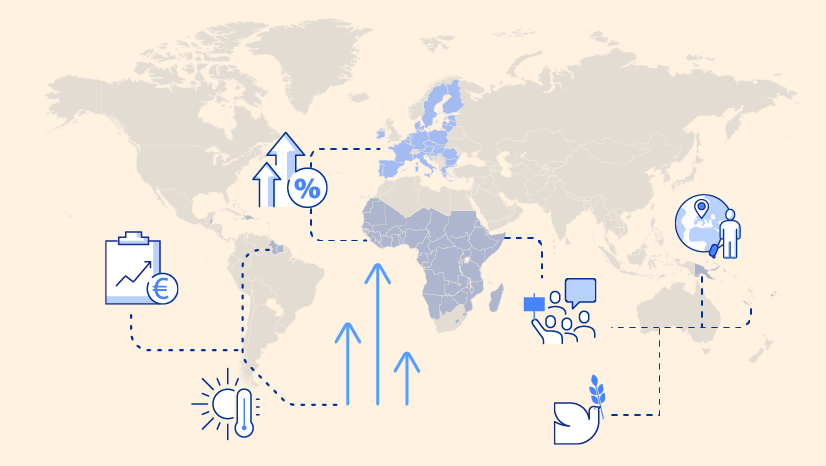
The EU and its member states signed today a new Partnership Agreement with the Members of the African, Caribbean and Pacific States (OACPS) that will serve as an overarching legal framework for their relations for the next twenty years. This agreement will succeed the Cotonou Agreement and will be known as the “Samoa Agreement”. The agreement covers subjects such as sustainable development and growth, human rights and peace and security.
SOMOA

The denomination of the Agreement was agreed at the 46th session of the ACP-EU Council of Ministers, which took place right before the signature ceremony, also in Samoa.

The new Partnership Agreement lays down common principles and covers the following priority areas:

  • human rights, democracy and governance
  • peace and security
  • human and social development
  • inclusive, sustainable economic growth and development
  • environmental sustainability and climate change
  • migration and mobility

The agreement includes a common foundation, which applies to all Parties, combined with three regional protocols for Africa, the Caribbean and the Pacific with a focus on the specific needs of each region.

The 27 EU member states and the 79 African, Caribbean and Pacific countries together represent around 2 billion people and more than half of the seats at the United Nations. With this new Agreement, the Parties will be better equipped to address emerging needs and global challenges, such as climate change, ocean governance, migration, health, peace and security.
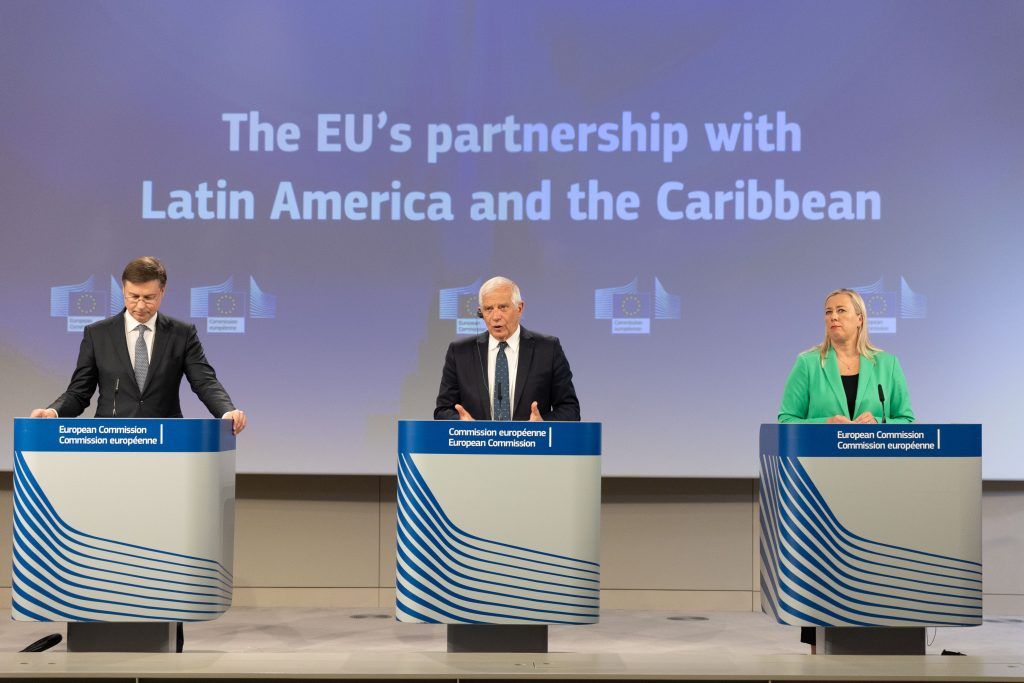
New Agenda to strengthen EU’s partnership with Latin America and the Caribbean

Next steps

The provisional application of the Agreement will start on 1 January 2024.

The Agreement will enter into force upon consent by the European Parliament and ratification by the Parties, i.e. all EU Member States and at least two thirds of the OACPS Members.

Background

The ACP-EU partnership is one of the oldest and most comprehensive frameworks for cooperation between the EU and third countries.

The previous legal framework for the partnership, the Cotonou Agreement, was signed in 2000.

The post-Cotonou negotiations started in September 2018 in the margins of the United Nations General Assembly in New York, with the aim to agree on a new, modernised treaty to succeed the Cotonou Agreement. The chief negotiators initialled the new Agreement in April 2021.

The Council adopted a decision on the signature and provisional application of the Agreement on 20 July 2023.

More information: Council of the EU

Publicaciones relacionadas:

logo presidencia consejo de la ue españaPresident von der Leyen and the College of Commissioners will participate in the inauguration of the Spanish Presidency of the Council of the EU in Madrid SOTEU Ursula Von der Leyen EuropaSOTEU 2020: President Von der Leyen sets the course for Europe EU-US: A new transatlantic agenda for global change Nearly 70 billion euros in Spain’s Recovery Plan Afghanistan: EU’s position and next steps



EU News,  Institutional Affairs,  International Politics and Cooperation Council,  European Union,  SOMOA

“This is a space for debate. All comments, for or against publication, that are respectful and do not contain expressions that are discriminatory, defamatory or contrary to current legislation will be published”.

Reader Interactions

Leave a Reply Cancel reply

Your email address will not be published. Required fields are marked *

This site uses Akismet to reduce spam. Learn how your comment data is processed.

Primary Sidebar

Footer

  • CDE Almería
  • Biblioteca Nicolás Salmerón – Universidad de Almería
  • Planta: 1ª, Despacho: 1.05.0B.
  • Ctra. Sacramento s/n. Almería (Spain)
  • Teléfono: (+34) 950 015266

HOME
NEWS
DOCUMENTATION
EUROPE ON THE NET
ABOUT US

  • LEGAL NOTICE
  • PRIVACY POLICY
  • COOKIE POLICY
  • ACCESSIBILITY
  • SITEMAP

Copyright © 2026 CDE Almería · Creative Commons LicenseThis work is licensed under a Creative Commons Attribution-NonCommercial 4.0 International License.

<p>El Centro de Documentación Europea de la Universidad de Almería utiliza cookies propias y de terceros para facilitar al usuario la navegación en su página Web y el acceso a los distintos contenidos alojados en la misma. Asimismo, se utilizan cookies analíticas de terceros para medir la interacción de los usuarios con el sitio Web. Pinche el siguiente enlace si desea información sobre el uso de cookies y como deshabilitarlas. </p>

Politica de privacidad

El Centro de Documentación Europea de la Universidad de Almería utiliza cookies propias y de terceros para facilitar al usuario la navegación en su página Web y el acceso a los distintos contenidos alojados en la misma. Asimismo, se utilizan cookies analíticas de terceros para medir la interacción de los usuarios con el sitio Web. Pinche el siguiente enlace si desea información sobre el uso de cookies y como deshabilitarlas. <a href="/politica-de-cookies" rel="noopener" target="_blank">Más información</a>

Cookies estrictamente necesarias

Las cookies estrictamente necesarias tiene que activarse siempre para que podamos guardar tus preferencias de ajustes de cookies.

Básicamente la web no funcionara bien si no las activas.

Estas cookies son:

  • Comprobación de inicio de sesión.
  • Cookies de seguridad.
  • Aceptación/rechazo previo de cookies.
Cookies de terceros

Esta web utiliza Google Analytics, Google Tag Manager y Yandex Metrika para recopilar información anónima tal como el número de visitantes del sitio, o las páginas más populares.

Dejar estas cookies activas nos permite mejorar nuestra web.

Política de cookies

Pinche el siguiente enlace si desea información sobre el uso de cookies y como deshabilitarlas. Más información