
Last July 27, the EU and Seychelles signed a new protocol to the Sustainable Fisheries Partnership Agreement granting EU vessels access to Seychelles’ waters for a period of four years to fish 55,000 tonnes of tuna and other migratory species per year.
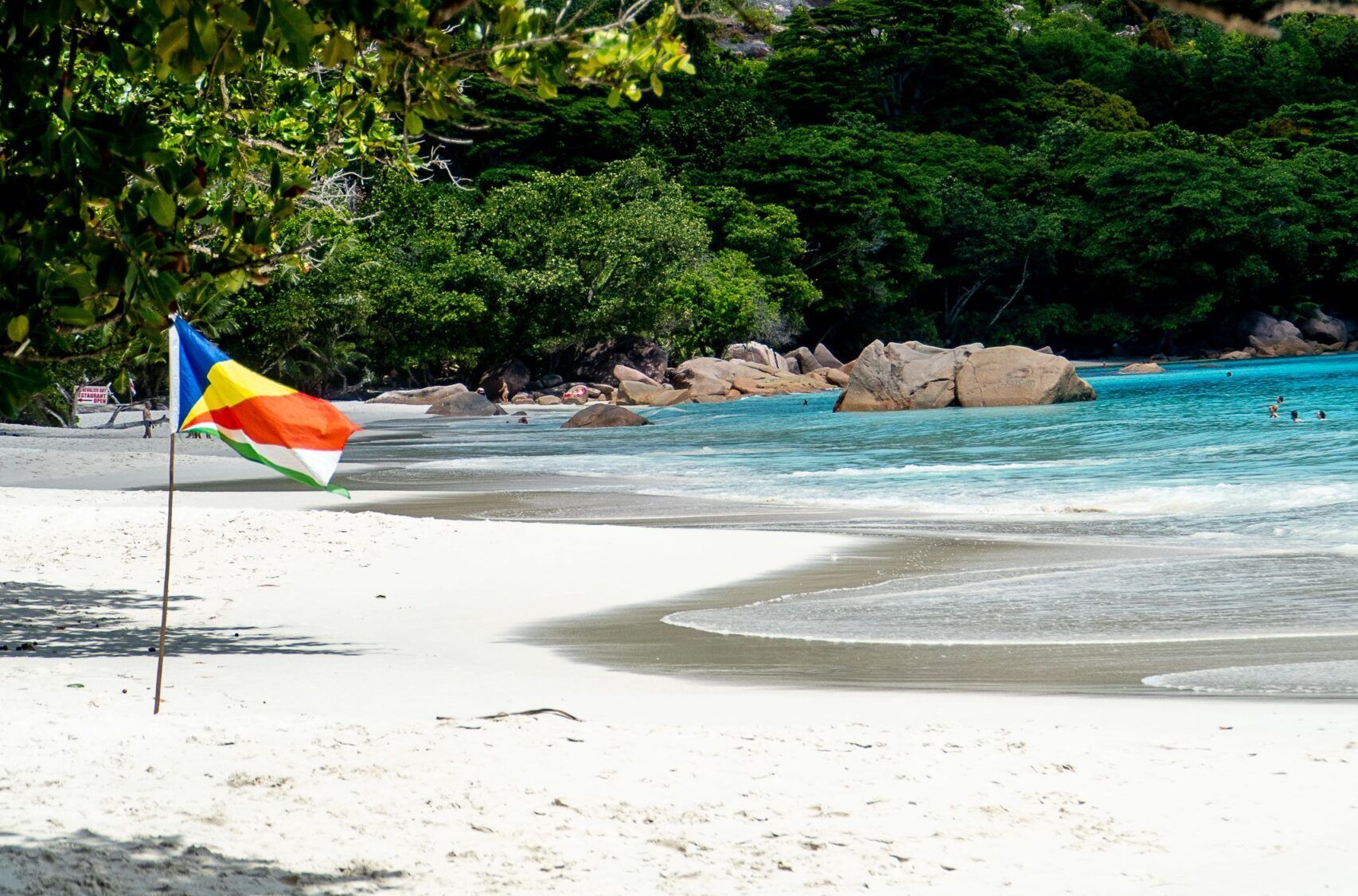
Tuna is the most consumed aquatic product in the European Union, at 2.68 kg per person in 2023. Tuna accounted for 11% of the EU’s total import volume of fishery and aquaculture products in 2024. This agreement allows EU vessels to supply part of this demand and reduce the EU’s reliance on fish imports.
Under the protocol, up to 30 EU purse seiner vessels and 8 longliners will be able to obtain a licence and resume their operations. Activities had been interrupted since the previous protocol expired on 23 February 2026, pending the finalisation and signature of the new protocol. The total EU contribution under this new protocol will amount to €23 million in four years, of which €3 million are earmarked for support to the sustainable fisheries sector in Seychelles.
In addition to the EU contribution, EU shipowners will pay to Seychelles a licence and capture fee of €90 per tonne, as well as a dedicated fee to environmental management and observation of marine ecosystems in Seychelles waters.
Supporting the economic development of Seychelles
This protocol reinforces the EU and Seychelles shared commitment to sustainable fisheries and mutual economic progress, and their fruitful collaboration in fisheries governance. As active participants in the Indian Ocean Tuna Commission (IOTC), both the EU and Seychelles seek to balance environmental sustainability and economic viability, ensuring significant fishing opportunities for the EU fleet while respecting the needs of the ecosystem.
The protocol includes a commitment on employment and work conditions of fishers on board EU vessels to respect the conditions established by the International Labour Organization (ILO), as well as by the International Maritime Organization (IMO).
The protocol will foster the development of a sustainable fisheries sector in Seychelles. It provides for EU support to:
- small-scale fisheries and aquaculture
- promotion of scientific cooperation in the field of fisheries
- enhancement of the socio-economic wellbeing and safeguarding of the welfare of current and future generations
- sanitary and quality management in the fisheries sector and support for domestic and export capacities
- fisheries monitoring, control and surveillance and the fight against illegal, unreported and unregulated (IUU) fishing
Next steps
The new protocol applies as of 27 July 2026 and will enter into force as soon as the ratification process by both parties has been completed. On the EU side, this implies the consent of the European Parliament.
For more information: European Commission
Publicaciones relacionadas:
 Package agreed at EU-United Kingdom Summit
 Commission advances on the modernisation of EU-Switzerland relations
 EU and Ukraine reach agreement in principle on a modernised trade relationship
 EU and Moldova forge deeper ties at historic first Summit in Chișinău
EU and Moldova reach agreement on a modernised trade relationship
EU and Moldova forge deeper ties at historic first Summit in Chișinău
EU and Moldova reach agreement on a modernised trade relationship
Leave a Reply