
The Commission adopted a Communication on the European Health Union, which highlights the strides made in EU health policy over the last four years, for the benefit of citizens in the EU and worldwide.
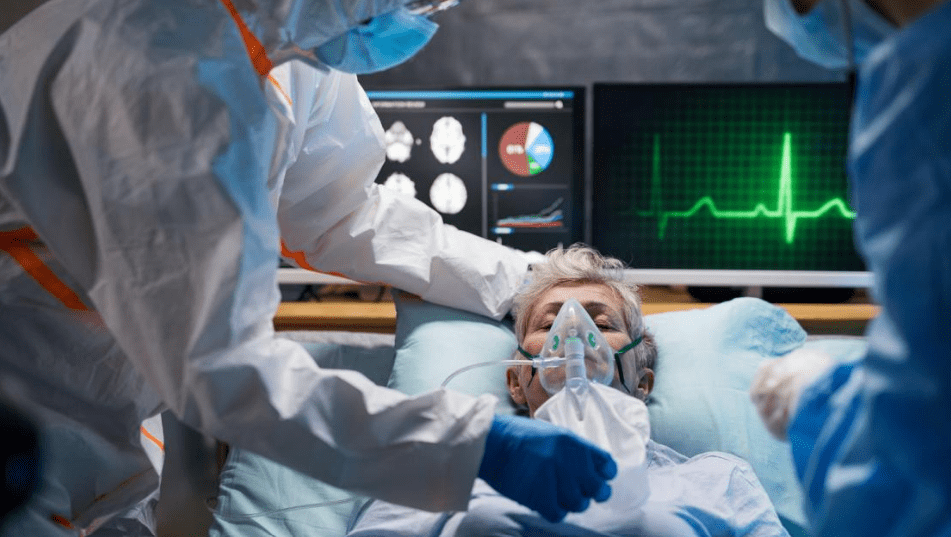
The start of this mandate was marked by the biggest pandemic in a century, which caused human suffering on a worldwide scale and tested public health systems to the limit. However, the COVID-19 pandemic also showed what EU solidarity, collaboration and decisive action can achieve. Thanks to the EU Vaccines Strategy, all EU citizens had access to life-saving COVID vaccines at the same time under the same conditions. This helped to stem the spread of the virus and saved millions of lives. The EU Digital COVID Certificate allowed economies and societies to re-open safely, while SURE helped over 31 million workers to overcome the economic impact. As pandemics know no borders, our cooperation and solidarity also extended across the world. Through our Team Europe approach, the EU became the largest donor of vaccines through COVAX and provided almost €54 billion in emergency support to partner countries.
The European Health Union thus emerged in the midst of the pandemic as a necessity to preserve EU resilience and contribute to Europe’s societal wellbeing, strategic autonomy and geopolitical stability. It was built on the experience of the COVID-19 crisis and responded to the clear calls of citizens for a stronger EU presence in public health. Unveiled in November 2020, the vision for the Health Union is to ensure that Member States are better prepared to respond to future health crises together, while supporting modern and innovative health policies for all citizens across the EU. Backed by substantial funding from the EU4Health programme, the goals of the European Health Union quickly turned into tangible results.
With more action in the pipeline, the European Health Union has delivered to date:
- Stronger health security measures, to better respond to future crises.
Today the EU is better equipped to anticipate, prepare for and respond to any major health threat. This is thanks to a stronger legal framework for health security cooperation, reinforced EU health agencies, and the creation of the Health Emergency and Preparedness and Response Authority (HERA).
- Equal and timely access to affordable medicines for all citizens
The proposed EU pharmaceutical reform will give an additional 70 million EU citizens access to new medicines, while maintaining a competitive pharmaceutical sector in Europe. The reform centres on the needs of EU citizens to ensure that everyone has access to the medicine that they need, when they need it, wherever they live and whatever their illness. This reform will also improve the availability of critical medicines by setting out a series of measures to address shortages.

Council and Parliament reach agreement to simplify and strengthen existing plant protection rules |
- A world-leading Cancer Plan
Europe’s Beating Cancer Plan launched a number of significant actions to tackle the disease at every stage – from prevention to diagnosis and treatment, to post-cancer care. Supported by €4 billion in EU funding, it is already making a difference to the lives of cancer patients across Europe.
- Game-changing initiatives to digitalise healthcare
Citizens will have access to better healthcare anywhere in the EU, thanks to the ground-breaking European Health Data Space (EHDS). In full respect of EU data protection rules, the EHDS harnesses the full potential of the digital transition and will also enable better use of data for the research and development of lifechanging medicines.
- Comprehensive action for better mental health
The EU Comprehensive Approach to Mental Health recognises that our mental health is as important as our physical health and affects individuals of all backgrounds. It consists of wide-ranging actions backed by over €1.2 billion to promote mental well-being, improve prevention and support services, and break down stigma in this important area.
- Rules to boost patient safety and secure the supply of medicinal products
Donors and recipients of substances of human origin, such as blood and cells, will benefit from stronger protection under revised EU rules. Measures to prevent any disruption of supply in critical medicines and medical devices mean that citizens can continue to rely on safe and effective medical products, treatments and therapies.
- A One Health approach to tackle major health risks
By recognising the link between human, animal and environmental health, Europe is better positioned to develop stronger policies to tackle major health challenges, such as antimicrobial resistance and the impact of climate change on health.
More information: European Commission
Publicaciones relacionadas:
 Coronavirus: MEPs call for solidarity among EU member states
 Coronavirus: Commission issues guidance to mitigate clinical trial disruption in the EU
 The science behind embracing new forms of social organisation after Confinement
 Torrecárdenas: the only hospital in Andalusia participating in the FOCUS program
 Commission welcomes entry into force of EU4Health programme
Leave a Reply