• Skip to primary navigation
  • Skip to main content
  • Skip to primary sidebar
  • Skip to footer
  • Bluesky
  • Facebook
  • Instagram
  • Twitter
  • YouTube
CDE Almería – Centro de Documentación Europea – Universidad de Almería

CDE Almería - Centro de Documentación Europea - Universidad de Almería

Centro de Documentación Europea de la Universidad de Almería

  • HOME
  • WHAT´S ON
    • EU NEWS
    • Activities
    • EU Calls and Awards
    • Radio Program «Europe with You»
  • DOCUMENTATION
    • EU Media Collection
      • Web Space
      • MEDIATHEQUE REPOSITORY
  • Europe on the net
    • Institutions
    • EU Representation in Spain
    • European information network of Andalusia
  • ABOUT US
    • Presentation
    • Services
    • People
    • Contact
  • Spanish
  • English

European Council votes in favour of lower limits for occupational exposure to asbestos

Inicio » EU News » Institutional Affairs » International Politics and Cooperation » European Council votes in favour of lower limits for occupational exposure to asbestos

24 de October de 2023

The Council formally adopted new rules on protecting workers from the risks related to exposure to asbestos at work. This directive updates the existing rules in line with the latest scientific and technological developments.
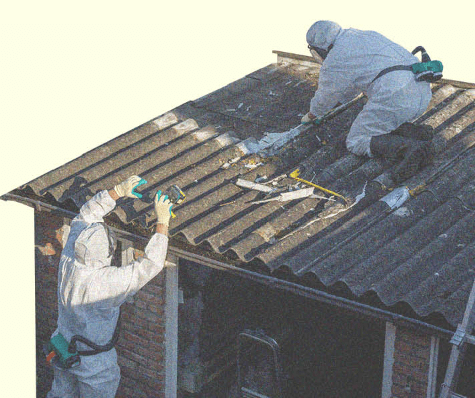
The updated rules significantly lower the current asbestos limits and provide for more accurate ways to measure exposure levels to asbestos based on electron microscopy, a more modern and sensitive method.

They also provide for strengthened preventive and protective measures, such as obtaining special permits for asbestos removal and checking if there is asbestos in older buildings before starting demolition or maintenance work. That is all the more important given the EU’s goal to boost energy renovation in the EU, which could lead to 35 million buildings being renovated by 2030.

Asbestos is a highly dangerous substance and remains the leading cause of occupational cancer almost two decades after it was banned in the EU. With the new directive adopted today, thanks to the negotiations concluded by the Swedish presidency, we can better protect workers in the EU while safely embarking on a renovation wave to make our buildings greener and energy-efficient.

Yolanda Díaz Perez, acting Second Vice-President of the Government of Spain and Minister for Work and Social Economy
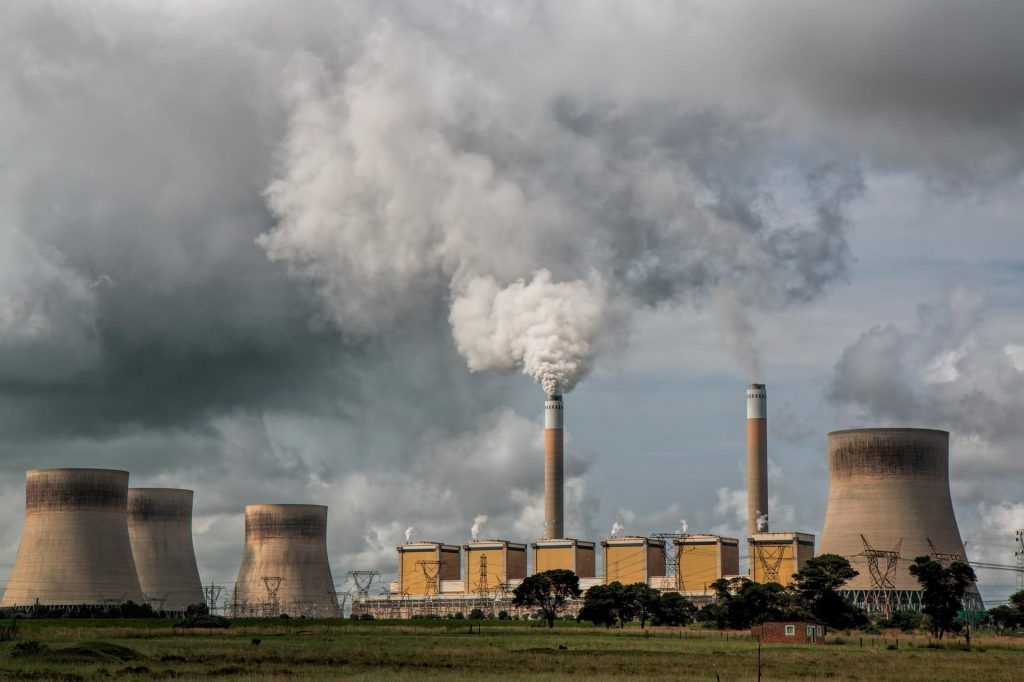
Exposure to pollution causes 10% of all cancer cases in Europe

Background and next steps

On 28 September 2022, the Commission published a proposal to revise the legislation on asbestos exposure in the workplace as part of a package aimed at ensuring an asbestos-free future for EU citizens. The Swedish Presidency of the Council reached a provisional agreement on the file with the European Parliament on 27 June 2023. The European Parliament plenary voted in favour of the updated rules on 3 October 2023.

This adoption by the Council is the last step in the legislative process. The new directive will enter into force 20 days after its publication in the Official Journal of the European Union.

Member states will have two years to incorporate all provisions of the directive into their national legislation, except for the introduction of electron microscopy as a measuring method, for which they will have six years. At the end of those six years, they will also have to choose between two exposure limits (depending on whether or not they count thin fibres).

Source: Press release – Counil of the EU

Publicaciones relacionadas:

Día Internacional de la mujerInternational Women’s Day 2020: Beijing Declaration 25 years after Schengen, migration, asylum and security in times of COVID-19 Global response to coronavirus crisis: EU creates humanitarian airlift EU opens consultation on the future of the Arctic Commission launches debate on responding to the impact of an ageing population




Environmental Affairs,  EU News,  Institutional Affairs,  International Politics and Cooperation,  Labour Market and Employment,  Social Affairs asbestos,  Council of the EU,  exposure to asbestos at work.

“This is a space for debate. All comments, for or against publication, that are respectful and do not contain expressions that are discriminatory, defamatory or contrary to current legislation will be published”.

Reader Interactions

Leave a Reply Cancel reply

Your email address will not be published. Required fields are marked *

This site uses Akismet to reduce spam. Learn how your comment data is processed.

Primary Sidebar

Footer

  • CDE Almería
  • Biblioteca Nicolás Salmerón – Universidad de Almería
  • Planta: 1ª, Despacho: 1.05.0B.
  • Ctra. Sacramento s/n. Almería (Spain)
  • Teléfono: (+34) 950 015266

HOME
NEWS
DOCUMENTATION
EUROPE ON THE NET
ABOUT US

  • LEGAL NOTICE
  • PRIVACY POLICY
  • COOKIE POLICY
  • ACCESSIBILITY
  • SITEMAP

Copyright © 2026 CDE Almería · Creative Commons LicenseThis work is licensed under a Creative Commons Attribution-NonCommercial 4.0 International License.

<p>El Centro de Documentación Europea de la Universidad de Almería utiliza cookies propias y de terceros para facilitar al usuario la navegación en su página Web y el acceso a los distintos contenidos alojados en la misma. Asimismo, se utilizan cookies analíticas de terceros para medir la interacción de los usuarios con el sitio Web. Pinche el siguiente enlace si desea información sobre el uso de cookies y como deshabilitarlas. </p>

Politica de privacidad

El Centro de Documentación Europea de la Universidad de Almería utiliza cookies propias y de terceros para facilitar al usuario la navegación en su página Web y el acceso a los distintos contenidos alojados en la misma. Asimismo, se utilizan cookies analíticas de terceros para medir la interacción de los usuarios con el sitio Web. Pinche el siguiente enlace si desea información sobre el uso de cookies y como deshabilitarlas. <a href="/politica-de-cookies" rel="noopener" target="_blank">Más información</a>

Cookies estrictamente necesarias

Las cookies estrictamente necesarias tiene que activarse siempre para que podamos guardar tus preferencias de ajustes de cookies.

Básicamente la web no funcionara bien si no las activas.

Estas cookies son:

  • Comprobación de inicio de sesión.
  • Cookies de seguridad.
  • Aceptación/rechazo previo de cookies.
Cookies de terceros

Esta web utiliza Google Analytics, Google Tag Manager y Yandex Metrika para recopilar información anónima tal como el número de visitantes del sitio, o las páginas más populares.

Dejar estas cookies activas nos permite mejorar nuestra web.

Política de cookies

Pinche el siguiente enlace si desea información sobre el uso de cookies y como deshabilitarlas. Más información