
The Commission has taken decisive action to fight corruption in the EU and globally, fulfilling the commitment made by President von der Leyen in her 2022 State of the Union address.

The anti-corruption proposals presented represent a milestone in the fight against corruption at national and EU level. The Commission will step up its action: building on measures in place, strengthening efforts to integrate the prevention of corruption into the design of EU policies and programs, and actively supporting Member States’ work to put in place strong anti-corruption policies and legislation. Through its annual Rule of Law Report cycle, the Commission also monitors anti-corruption developments at national level, identifies challenges and issues of recommendations to Member states.
The set of measures include new and strengthened rules criminalising corruption offences and harmonising penalties across the EU, as well as a proposal from the High Representative, supported by the Commission, to establish a dedicated Common Foreign and Security Policy (CFSP) sanctions regime to target serious acts of corruption worldwide. These new measures place a strong focus on prevention and creating a culture of integrity, in which corruption is not tolerated and at the same time, strengthen enforcement tools.
Key elements of the proposals:
I. Communication on the fight against corruption
In a Joint Communication, the Commission and the High Representative bring together existing work and develop new directions and new tools at both EU and Member State level, also feeding into a clear commitment to tackling corruption at the global level. An EU network against corruption, bringing together law enforcement, public authorities, practitioners, civil society and other stakeholders, will act as a catalyst for corruption prevention across the EU and will develop best practices and practical guidance. One key task of the Network will be to support the Commission to map common areas where corruption risks are high across the EU. The work of the Network will feed into an EU anti-corruption strategy, to be developed in consultation with the European Parliament and the Council, to maximise the impact and coherence of EU actions.
En las instituciones de la UE hay tolerancia cero con la corrupción. La Comunicación detalla las normas éticas, de integridad y transparencia vigentes para prevenir la corrupción en las instituciones de la UE. Este marco no sólo debe aplicarse con rigor y coherencia, sino también actualizarse continuamente.
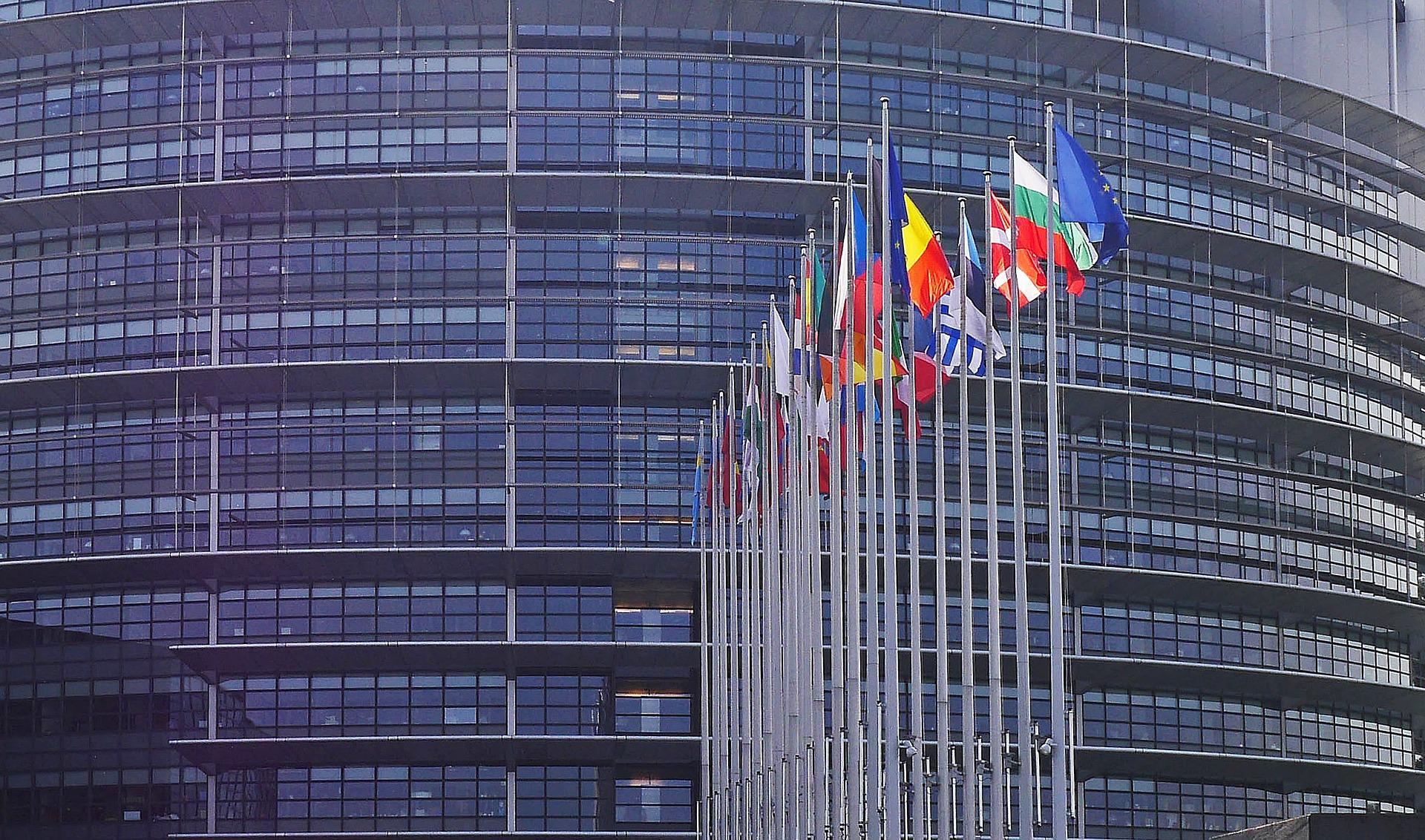
Special committee on foreign interference to deal with corruption allegations |
II. Stronger rules to fight corruption
La Comisión propone una nueva Directiva de lucha contra la corrupción. La propuesta moderniza el actual marco jurídico anticorrupción de la UE mediante:
a) Preventing corruption and building a culture of integrity
- Raising awareness of corruption, by carrying out information and awareness-raising campaigns, research, and education programmes to reduce corruption risks and offences.
- Ensuring that the public sector is held accountable to the highest standards by imposing an obligation on Member States to adopt effective rules on open access to information of public interest, the disclosure and management of conflicts of interests in the public sector, the disclosure and verification of assets of public officials and regulating the interaction between the private and the public sector.
- Setting up specialised anti-corruption bodies and ensuring adequate resources and training for authorities responsible for preventing and fight corruption.
b) One legal act for all corruption offences and sanctions
- Harmonising definitions of criminal offences prosecuted as corruption to cover not only bribery but also misappropriation, trading in influence, abuse of functions, as well as obstruction of justice and illicit enrichment related to corruption offences. The proposal makes all offences under the United Nations Convention against Corruption mandatory under EU law and brings together public and private sector corruption.
- Increases the level of criminal sanctions for natural and legal persons, and harmonises aggravating and mitigating circumstances.
c)Ensuring effective investigations and prosecution of corruption
- Investigative tools: Member States will have to ensure that law enforcement and prosecutors have appropriate investigative tools to fight corruption.
- Immunity or privileges from investigation and prosecution: Member States will have to ensure that privileges and immunity can be lifted during corruption investigations through an effective and transparent process pre-established by law, and in a timely manner.
- Introducing minimum rules on the statute of limitation to ensure sufficient time to bring corruption offences to justice.

Corruption scandal: MEPs insist on reforms for transparency and accountability |
III. Expanding the CFSP sanctions toolbox to cover serious acts of corruption
EU sanctions help to achieve key CSFP objectives such as preserving peace, strengthening international security, and consolidating and supporting democracy, international law and human rights. With today’s proposal from the High Representative, supported by the Commission, the EU will be able to target serious acts of corruption worldwide, no matter where they occur. It will complement and enhance EU’s internal and external instruments against corruption and show the EU’s determination to use any tools, including CFSP sanctions, to fight it.
Next steps
The proposed Directive on combating corruption will have to be negotiated and adopted by the European Parliament and the Council before it can become EU law.
The proposed new framework of CFSP sanctions targeting corruption will have to be discussed and adopted by the Council.
More information: European Commision




Leave a Reply