• Skip to primary navigation
  • Skip to main content
  • Skip to primary sidebar
  • Skip to footer
  • Bluesky
  • Facebook
  • Instagram
  • Twitter
  • YouTube
CDE Almería – Centro de Documentación Europea – Universidad de Almería

CDE Almería - Centro de Documentación Europea - Universidad de Almería

Centro de Documentación Europea de la Universidad de Almería

  • HOME
  • WHAT´S ON
    • EU NEWS
    • Activities
    • EU Calls and Awards
    • Radio Program «Europe with You»
  • DOCUMENTATION
    • EU Media Collection
      • Web Space
      • MEDIATHEQUE REPOSITORY
  • Europe on the net
    • Institutions
    • EU Representation in Spain
    • European information network of Andalusia
  • ABOUT US
    • Presentation
    • Services
    • People
    • Contact
  • Spanish
  • English

European Commission proposes measures to reduce microplastic pollution from plastic pellets

Inicio » EU News » Environmental Affairs » European Commission proposes measures to reduce microplastic pollution from plastic pellets

17 de October de 2023

The Commission is proposing for the first time measures to prevent microplastic pollution from the unintentional release of plastic pellets.

Currently, between 52 and 184 thousand tonnes of pellets are released in the environment each year due to mishandling throughout the entire supply chain. The proposal aims to ensure that all operators handling pellets in the EU take the necessary precautionary measures. This is expected to reduce pellet release by up to 74%, leading to cleaner ecosystems, contributing to plastic-free rivers and ocean, and reducing potential risks to human health. Common EU-wide measures will also help level the playing field for operators.

Tackling preventable pellet losses

Plastic pellets are the one of the largest sources of unintentional microplastic pollution. The Commission proposes that operators act in the following priority order: prevention to avoid any spills of pellets; containment of spilled pellets to make sure they do not pollute the environment; and, as a final option, clean up after a spill or loss event.

The proposal includes:

  • Best handling practices for operators: depending on the size of the installation or transport activity, operators will have to abide by certain best handling practices. These have already been implemented by frontrunners.
  • Mandatory certification and self-declarations: To assist national competent authorities in verifying compliance, larger operators should obtain a certificate issued by an independent third party, while smaller companies should make self-declarations of their conformity.
  • A harmonised methodology to estimate losses: to help operators monitor their losses and tackle some of the remaining data gaps, a harmonised methodology will be developed by standardisation bodies. It should also increase accountability by increasing awareness of the impacts of different practices on the environment and human health.
  • Lighter requirements for SMEs: as the pellet supply chain has a large share of SMEs, lighter requirements will apply especially to micro and small operators.
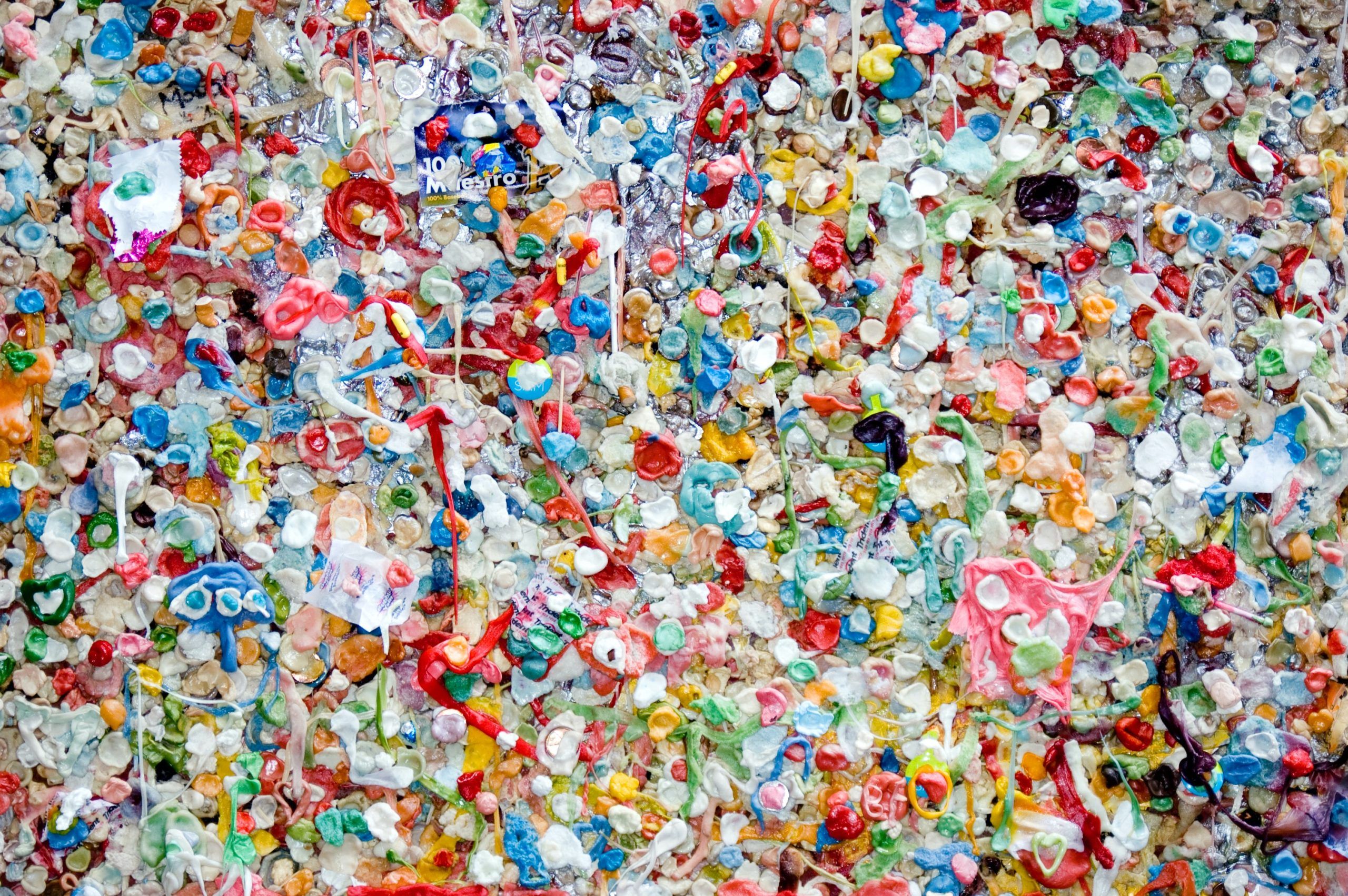
European Commission adopts measures to restrict the use of microplastics

Next steps

The Commission proposal for a Regulation on preventing pellet losses will now be discussed by the European Parliament and the Council. All economic operators, both EU and non-EU, will need to comply with the requirements set out in this Regulation within 18 months of its entry into force.

The Commission will continue to work on reducing microplastics pollution, including in the context of implementing existing and forthcoming legislation on products and waste and by leading global efforts to end plastic pollution.

More information: European Commission

Publicaciones relacionadas:

medio ambiente , economía circular , pacto verdeA New Circular Economy Action Plan for a Cleaner and More Competitive Europe GEOTHERMICA, the new European initiative BSO – Tracking energy in our buildings La Comisión Europea aprueba la medida española y portuguesa para reducir el precio de la electricidadEnergy security in the EU New R&T project to improve resilience of cold weather operations

Environmental Affairs,  EU News ENVIRONMENT AFFAIRS,  microplastic pollution,  plastic pellets

“This is a space for debate. All comments, for or against publication, that are respectful and do not contain expressions that are discriminatory, defamatory or contrary to current legislation will be published”.

Reader Interactions

Leave a Reply Cancel reply

Your email address will not be published. Required fields are marked *

This site uses Akismet to reduce spam. Learn how your comment data is processed.

Primary Sidebar

Footer

  • CDE Almería
  • Biblioteca Nicolás Salmerón – Universidad de Almería
  • Planta: 1ª, Despacho: 1.05.0B.
  • Ctra. Sacramento s/n. Almería (Spain)
  • Teléfono: (+34) 950 015266

HOME
NEWS
DOCUMENTATION
EUROPE ON THE NET
ABOUT US

  • LEGAL NOTICE
  • PRIVACY POLICY
  • COOKIE POLICY
  • ACCESSIBILITY
  • SITEMAP

Copyright © 2026 CDE Almería · Creative Commons LicenseThis work is licensed under a Creative Commons Attribution-NonCommercial 4.0 International License.

<p>El Centro de Documentación Europea de la Universidad de Almería utiliza cookies propias y de terceros para facilitar al usuario la navegación en su página Web y el acceso a los distintos contenidos alojados en la misma. Asimismo, se utilizan cookies analíticas de terceros para medir la interacción de los usuarios con el sitio Web. Pinche el siguiente enlace si desea información sobre el uso de cookies y como deshabilitarlas. </p>

Politica de privacidad

El Centro de Documentación Europea de la Universidad de Almería utiliza cookies propias y de terceros para facilitar al usuario la navegación en su página Web y el acceso a los distintos contenidos alojados en la misma. Asimismo, se utilizan cookies analíticas de terceros para medir la interacción de los usuarios con el sitio Web. Pinche el siguiente enlace si desea información sobre el uso de cookies y como deshabilitarlas. <a href="/politica-de-cookies" rel="noopener" target="_blank">Más información</a>

Cookies estrictamente necesarias

Las cookies estrictamente necesarias tiene que activarse siempre para que podamos guardar tus preferencias de ajustes de cookies.

Básicamente la web no funcionara bien si no las activas.

Estas cookies son:

  • Comprobación de inicio de sesión.
  • Cookies de seguridad.
  • Aceptación/rechazo previo de cookies.
Cookies de terceros

Esta web utiliza Google Analytics, Google Tag Manager y Yandex Metrika para recopilar información anónima tal como el número de visitantes del sitio, o las páginas más populares.

Dejar estas cookies activas nos permite mejorar nuestra web.

Política de cookies

Pinche el siguiente enlace si desea información sobre el uso de cookies y como deshabilitarlas. Más información