
Last week saw the start of the European Citizens’ Panel on Combating Hate in Society. 150 randomly selected citizens from the 27 Member States will come together to examine the root causes of hatred and how to tackle them. The aim of the citizens’ panel is to make recommendations on how to build bridges between divided groups and communities.

The Citizens’ Panel will seek to identify possible policy measures and identify all relevant stakeholders that should be involved at different levels, e.g. decision-makers, civil society, the private sector and citizens. The final outcome of the panel will be a list of recommendations that will contribute to the future work of the European Commission in the fight against hate speech and hate crime. The recommendations will also serve as a guide to help the EU and its Member States move from hatred and division to shared enjoyment of European values, as enshrined in the Treaty on European Union.
This European citizens’ panel follows up on the 2023 Communication “No place for hatred: a Europe united against it”, adopted in December 2023 by the European Commission and the High Representative for Foreign Affairs and Security Policy. The Communication calls for the creation of a pan-European space for dialogue bringing together citizens from across the European Union.
Commission actions to combat hatred in society
Over the last few years, the Commission has worked on a range of laws and initiatives to promote and protect our common values and fundamental rights. The main piece of legislation is the 2008 Framework Decision on combating racism and xenophobia, which ensures that serious manifestations of racism and xenophobia are punishable by effective, proportionate and dissuasive criminal penalties. The Commission proposed in December 2021 to extend the current list of “EU crimes” set out in the Treaties to hate speech and hate crime.
The Commission and the High Representative adopted in December 2023 a Communication entitled “No place for hate: a Europe united against this scourge”. It is a call to all Europeans to stand against hatred and to speak out for tolerance and respect. The Communication on a Europe united against hate is also a follow-up to the EU Action Plan against Racism 2020-2025, the EU Strategy to Combat Anti-Semitism and Support Jewish Life, the Strategy for Gender Equality 2020-2025, the Strategy for LGBTIQ Equality, the Strategy on the Rights of Persons with Disabilities 2021-2030, the EU Strategic Framework for Roma Equality, Inclusion and Participation 2020-2030 and the work of the EU Commission for Roma Equality, Inclusion and Participation 2020-2030.
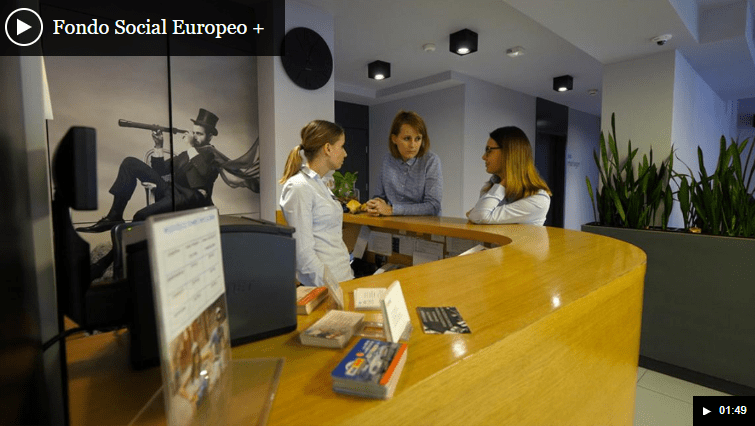
European Social Fund: fighting poverty and unemployment>
|
Protecting European democracies from the threats and harmful effects of disinformation and manipulation of information and interference, including by foreign actors, has become a strategic priority for the EU. In the framework of the European Democracy Action Plan (EDAP), the Commission and the High Representative have developed a series of measures to combat disinformation.
Through the implementation of the Digital Services Act and the strengthened code of conduct on combating illegal hate speech, further strong measures will be taken to ensure that what is illegal offline is also treated as such online.
Background
The European Citizens’ Panel aims to improve citizens’ participation in EU policy-making. The work of the panel and its results strengthen the EU’s representative democracy and improve the quality of its policies. Following President Ursula von der Leyen’s priority to build a European democracy fit for the future, the European Citizens’ Panels have been integrated into the EU’s policy-making process.
European Citizens’ Panels have been integrated as a regular feature of the EU’s democratic life. European Citizens’ Panels allow participants to work together both in groups and in plenary sessions, with the support of a facilitation team and a committee of experts who provide additional input. Participants in the European Citizens’ Panels are selected randomly from among the participants.
More information:European Commission
Publicaciones relacionadas:
 International Women’s Day 2020: Beijing Declaration 25 years after
 Judgment of the CJEU on homophobic discrimination in the workplace
 Situation of human rights in the U.S. and the EU
 Covid-19 and gender-based violence: Has the pandemic taught us anything?
 Countries led by women coped better with COVID-19
Leave a Reply