• Skip to primary navigation
  • Skip to main content
  • Skip to primary sidebar
  • Skip to footer
  • Bluesky
  • Facebook
  • Instagram
  • Twitter
  • YouTube
CDE Almería – Centro de Documentación Europea – Universidad de Almería

CDE Almería - Centro de Documentación Europea - Universidad de Almería

Centro de Documentación Europea de la Universidad de Almería

  • HOME
  • WHAT´S ON
    • EU NEWS
    • Activities
    • EU Calls and Awards
    • Radio Program «Europe with You»
  • DOCUMENTATION
    • EU Media Collection
      • Web Space
      • MEDIATHEQUE REPOSITORY
  • Europe on the net
    • Institutions
    • EU Representation in Spain
    • European information network of Andalusia
  • ABOUT US
    • Presentation
    • Services
    • People
    • Contact
  • Spanish
  • English

EU support to member states to fight forest fires

Inicio » EU News » Environmental Affairs » EU support to member states to fight forest fires

19 de June de 2023

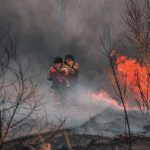
The Council adopted its position on a draft law that extends the deadline that will allow the Commission to provide financing of firefighting planes and helicopters to support member states in fighting forest fires.
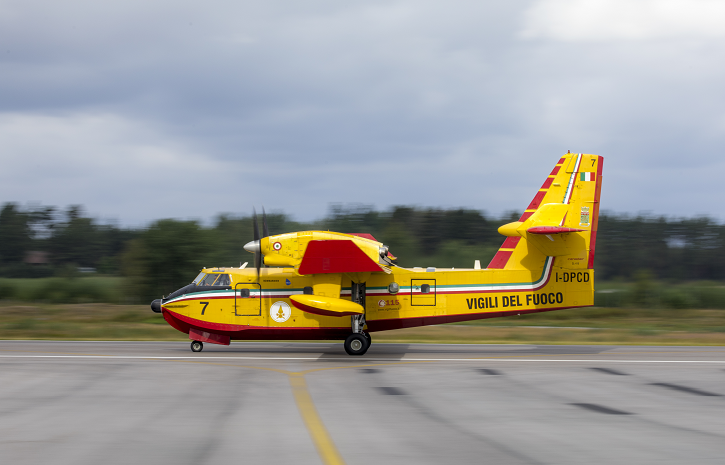
rescEU

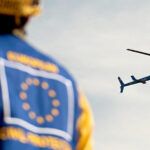
In 2019, rescEU was created as a reserve of European civil protection capacities which would step in to help member states protect citizens when disasters – such as wildfires – occur. These capacities will include a fleet of firefighting planes and helicopters.

To ensure a smooth transition until the full availability of the rescEU firefighting fleet, the Commission can, for a transitional period until 31 December 2024, provide financing to member states to ensure rapid access to their national aerial firefighting capacities.

Because the purchase of highly-specialised aircrafts cannot be completed before the end of 2024, the transition period to lease forest fire planes and helicopters has to be extended until end of 2027.
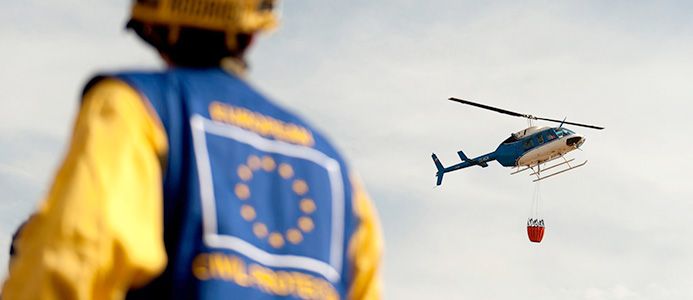
 

EU doubles rescEU firefighting fleet for summer 2023

Quick adoption

The Council is concerned about the increasing wildfire risk and the development that wildfires are becoming more frequent and intense. This requires the swift prolongation of the transition period – to ensure that sufficient aerial firefighting capacities will continue to be rapidly available also beyond the 2024 wildfire season. Therefore the Council decided to align its position with that of the Commission’s and calls on the European Parliament to cooperate in view of a swift adoption.

Background

The wildfire risk in the EU is growing and wildfires are becoming more frequent and intense. In 2022, the number of wildfires in the EU bigger than 30 hectares totalled 2 707. 786 316 hectares (over three times the size of Luxembourg) of land were burnt. This amount has significantly increased compared to the year before (416 413 hectares).

Wildfires affect not only the Mediterranean region but are a EU-wide problem. In 2022, 20 member states have recorded more burned areas than their average over previous years.

In 2022 alone, the wildfires have led to estimated economic losses above EUR 2 billion. Approximately 35% of the burnt areas in 2022 are included in Natura 2000 sites.

More information: EU Council

Publicaciones relacionadas:
Forest fires: European Commission puts its firefighting fleet in place for the 2022 season Forest fires: EU mobilises its firefighting fleet to help Portugal Forest fires: EU sends assistance to combat fires at the Czech-German border Dos bombero caminan de espaldas a la cámara en medio de un bosque en llamasEuropean Forest Fire report: Three of the worst fire seasons on record took place in the last six years EU doubles rescEU firefighting fleet for summer 2023

Environmental Affairs,  EU News firefighting,  Forest Fires,  helicopters,  planes,  rescEU

“This is a space for debate. All comments, for or against publication, that are respectful and do not contain expressions that are discriminatory, defamatory or contrary to current legislation will be published”.

Reader Interactions

Leave a Reply Cancel reply

Your email address will not be published. Required fields are marked *

This site uses Akismet to reduce spam. Learn how your comment data is processed.

Primary Sidebar

Footer

  • CDE Almería
  • Biblioteca Nicolás Salmerón – Universidad de Almería
  • Planta: 1ª, Despacho: 1.05.0B.
  • Ctra. Sacramento s/n. Almería (Spain)
  • Teléfono: (+34) 950 015266

HOME
NEWS
DOCUMENTATION
EUROPE ON THE NET
ABOUT US

  • LEGAL NOTICE
  • PRIVACY POLICY
  • COOKIE POLICY
  • ACCESSIBILITY
  • SITEMAP

Copyright © 2026 CDE Almería · Creative Commons LicenseThis work is licensed under a Creative Commons Attribution-NonCommercial 4.0 International License.

<p>El Centro de Documentación Europea de la Universidad de Almería utiliza cookies propias y de terceros para facilitar al usuario la navegación en su página Web y el acceso a los distintos contenidos alojados en la misma. Asimismo, se utilizan cookies analíticas de terceros para medir la interacción de los usuarios con el sitio Web. Pinche el siguiente enlace si desea información sobre el uso de cookies y como deshabilitarlas. </p>

Politica de privacidad

El Centro de Documentación Europea de la Universidad de Almería utiliza cookies propias y de terceros para facilitar al usuario la navegación en su página Web y el acceso a los distintos contenidos alojados en la misma. Asimismo, se utilizan cookies analíticas de terceros para medir la interacción de los usuarios con el sitio Web. Pinche el siguiente enlace si desea información sobre el uso de cookies y como deshabilitarlas. <a href="/politica-de-cookies" rel="noopener" target="_blank">Más información</a>

Cookies estrictamente necesarias

Las cookies estrictamente necesarias tiene que activarse siempre para que podamos guardar tus preferencias de ajustes de cookies.

Básicamente la web no funcionara bien si no las activas.

Estas cookies son:

  • Comprobación de inicio de sesión.
  • Cookies de seguridad.
  • Aceptación/rechazo previo de cookies.
Cookies de terceros

Esta web utiliza Google Analytics, Google Tag Manager y Yandex Metrika para recopilar información anónima tal como el número de visitantes del sitio, o las páginas más populares.

Dejar estas cookies activas nos permite mejorar nuestra web.

Política de cookies

Pinche el siguiente enlace si desea información sobre el uso de cookies y como deshabilitarlas. Más información