• Skip to primary navigation
  • Skip to main content
  • Skip to primary sidebar
  • Skip to footer
  • Bluesky
  • Facebook
  • Instagram
  • Twitter
  • YouTube
CDE Almería – Centro de Documentación Europea – Universidad de Almería

CDE Almería - Centro de Documentación Europea - Universidad de Almería

Centro de Documentación Europea de la Universidad de Almería

  • HOME
  • WHAT´S ON
    • EU NEWS
    • Activities
    • EU Calls and Awards
    • Radio Program «Europe with You»
  • DOCUMENTATION
    • EU Media Collection
      • Web Space
      • MEDIATHEQUE REPOSITORY
  • Europe on the net
    • Institutions
    • EU Representation in Spain
    • European information network of Andalusia
  • ABOUT US
    • Presentation
    • Services
    • People
    • Contact
  • Spanish
  • English

EU and G7 agree to cap prices of Russian petroleum products

Inicio » EU News » Market » International Trade » EU and G7 agree to cap prices of Russian petroleum products

6 de February de 2023

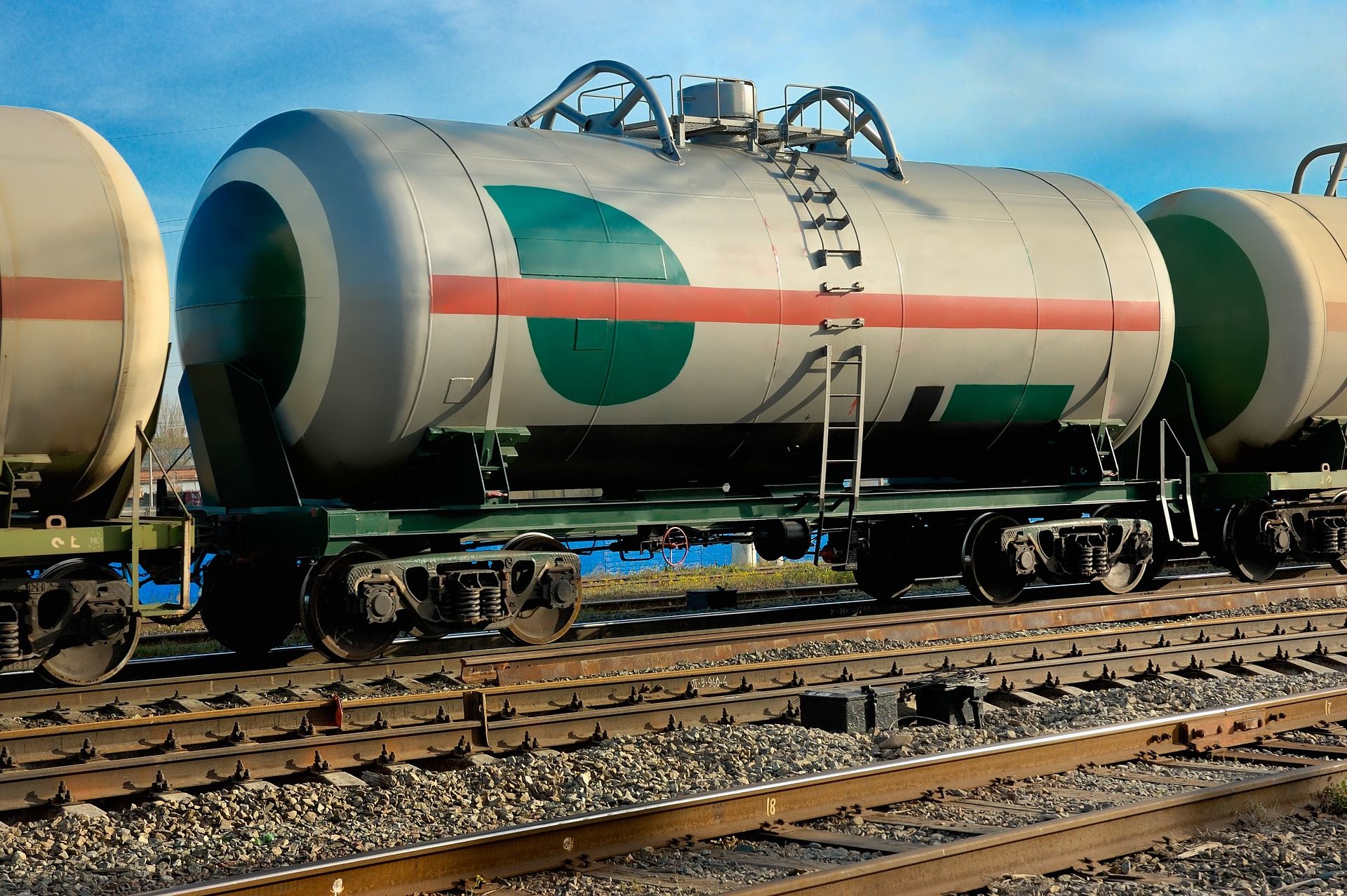
bidón gigante de petróleo

Additional price caps for Russian petroleum products that are transported by sea have been adopted by the European Union and the global G7+ Price Cap Coalition (such as diesel and fuel oil). Russia’s ability to conduct war in Ukraine will be diminished by this choice, which will further harm its financial streams. Additionally, it will aid in stabilizing the world’s energy markets, which will be advantageous to all nations.

It comes on top of the crude oil price cap that has been in effect since December 2022 and will work in conjunction with the EU’s complete restriction on importing crude oil and petroleum products into the EU by sea.

Ursula von der Leyen, President of the European Commission, said: “We are making Putin pay for his atrocious war. Russia is paying a heavy price, as our sanctions are eroding its economy, throwing it back by a generation. Today, we are turning up the pressure further by introducing additional price caps on Russian petroleum products. This has been agreed with our G7 partners and will further erode Putin’s resources to wage war. By 24 February, exactly one year since the invasion started, we aim to have the tenth package of sanctions in place.”

Two price levels have been set for Russian petroleum products: one for ”premium-to-crude” petroleum products, such as diesel, kerosene and gasoline, and the other for ”discount-to-crude” petroleum products, such as fuel oil and naphtha, reflecting market dynamics. The maximum price for premium-to-crude products will be 100 USD per barrel and the maximum price for discount-to-crude will be 45 USD per barrel.

The price cap on petroleum products will be implemented from 5 February 2023. It includes a 55-day wind-down period for seaborne Russian petroleum products purchased above the price cap, provided it is loaded onto a vessel at the port of loading prior to 5 February 2023 and unloaded at the final port of destination prior to 1 April 2023.

The price caps for petroleum products and crude oil will be continually monitored to ensure their effectiveness and impact. The price caps themselves will be reviewed and adjusted as appropriate.

The European Commission has also published a guidance document on the implementation of the price caps.
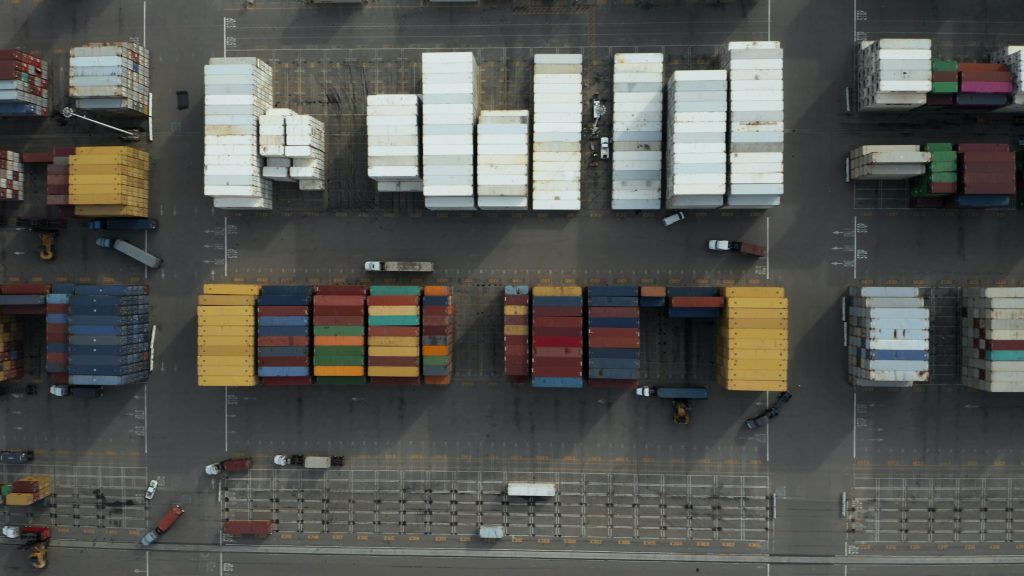
EU trade with Russia declined strongly

Background

The Price Cap Coalition is composed of Australia, Canada, the EU, Japan, the UK, and the US.

The EU’s sanctions against Russia are proving effective. They are damaging Russia’s ability to manufacture new weapons and repair existing ones, as well as hinder its transport of material while reducing its revenues from fossil fuels exports. In response to Belarus’ involvement in Russia’s military invasion of Ukraine, the EU has also adopted a variety of sanctions against Belarus in 2022.

The geopolitical, economic, and financial implications of Russia’s continued aggression are clear, as the war has disrupted global commodities markets, especially for agrifood products and energy. The EU continues to ensure that its sanctions do not impact energy and agrifood exports from Russia to third countries.

As guardian of the EU Treaties, the European Commission monitors the enforcement of EU sanctions across the EU.

The EU stands united in its solidarity with Ukraine, and will continue to support Ukraine and its people together with its international partners, including through additional political, financial, and humanitarian support.

Source: European Commission

Publicaciones relacionadas:

23 May 2022: Macroeconomic dialogue with the social partners EU-US strengthen coordination on export controls on Russia vista desde arriba de contenedoresEU trade with Russia declined strongly EU reaches political agreement on updated enforcement regulation New EU energy labels applicable from 1 March 2021

EU News,  International Trade,  Market EU,  European Commission,  oil product,  russia,  ukraine

“This is a space for debate. All comments, for or against publication, that are respectful and do not contain expressions that are discriminatory, defamatory or contrary to current legislation will be published”.

Reader Interactions

Leave a Reply Cancel reply

Your email address will not be published. Required fields are marked *

This site uses Akismet to reduce spam. Learn how your comment data is processed.

Primary Sidebar

Footer

  • CDE Almería
  • Biblioteca Nicolás Salmerón – Universidad de Almería
  • Planta: 1ª, Despacho: 1.05.0B.
  • Ctra. Sacramento s/n. Almería (Spain)
  • Teléfono: (+34) 950 015266

HOME
NEWS
DOCUMENTATION
EUROPE ON THE NET
ABOUT US

  • LEGAL NOTICE
  • PRIVACY POLICY
  • COOKIE POLICY
  • ACCESSIBILITY
  • SITEMAP

Copyright © 2026 CDE Almería · Creative Commons LicenseThis work is licensed under a Creative Commons Attribution-NonCommercial 4.0 International License.

<p>El Centro de Documentación Europea de la Universidad de Almería utiliza cookies propias y de terceros para facilitar al usuario la navegación en su página Web y el acceso a los distintos contenidos alojados en la misma. Asimismo, se utilizan cookies analíticas de terceros para medir la interacción de los usuarios con el sitio Web. Pinche el siguiente enlace si desea información sobre el uso de cookies y como deshabilitarlas. </p>

Politica de privacidad

El Centro de Documentación Europea de la Universidad de Almería utiliza cookies propias y de terceros para facilitar al usuario la navegación en su página Web y el acceso a los distintos contenidos alojados en la misma. Asimismo, se utilizan cookies analíticas de terceros para medir la interacción de los usuarios con el sitio Web. Pinche el siguiente enlace si desea información sobre el uso de cookies y como deshabilitarlas. <a href="/politica-de-cookies" rel="noopener" target="_blank">Más información</a>

Cookies estrictamente necesarias

Las cookies estrictamente necesarias tiene que activarse siempre para que podamos guardar tus preferencias de ajustes de cookies.

Básicamente la web no funcionara bien si no las activas.

Estas cookies son:

  • Comprobación de inicio de sesión.
  • Cookies de seguridad.
  • Aceptación/rechazo previo de cookies.
Cookies de terceros

Esta web utiliza Google Analytics, Google Tag Manager y Yandex Metrika para recopilar información anónima tal como el número de visitantes del sitio, o las páginas más populares.

Dejar estas cookies activas nos permite mejorar nuestra web.

Política de cookies

Pinche el siguiente enlace si desea información sobre el uso de cookies y como deshabilitarlas. Más información