• Skip to primary navigation
  • Skip to main content
  • Skip to primary sidebar
  • Skip to footer
  • Bluesky
  • Facebook
  • Instagram
  • Twitter
  • YouTube
CDE Almería – Centro de Documentación Europea – Universidad de Almería

CDE Almería - Centro de Documentación Europea - Universidad de Almería

Centro de Documentación Europea de la Universidad de Almería

  • HOME
  • WHAT´S ON
    • EU NEWS
    • Activities
    • EU Calls and Awards
    • Radio Program «Europe with You»
  • DOCUMENTATION
    • EU Media Collection
      • Web Space
      • MEDIATHEQUE REPOSITORY
  • Europe on the net
    • Institutions
    • EU Representation in Spain
    • European information network of Andalusia
  • ABOUT US
    • Presentation
    • Services
    • People
    • Contact
  • Spanish
  • English

EU adopts new measures against Russian shadow fleet ecosystem and Belarus

Inicio » Noticias UE » International Conflicts » War in Ukraine » EU adopts new measures against Russian shadow fleet ecosystem and Belarus

17 de December de 2025

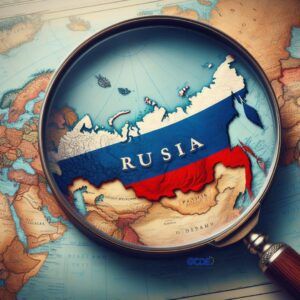
The Commission welcomes last December 15’s decision by EU Member States to adopt supplementary sanctions against key components of the Russian shadow fleet value chain, as well as against Belarus.   

These new measures aim at further increasing pressure on Russia and Belarus to reinforce and support the EU’s commitment to securing a just and lasting peace in Ukraine. 
Supplementary sanctions on shadow fleet ecosystem

The EU has identified the shadow fleet as a crucial chokepoint to further constrain Russia’s revenues from seaborne oil exports. Over the past 18 months, the EU has designated more than 550 vessels, predominately oil tankers which do not meet insurance and safety standards. These vessels are subject to a ban on port access and on provision of maritime services, severely disrupting their normal operations. Further vessel designations are being considered.  

Today, the EU decided to impose supplementary sanctions on the shadow fleet ecosystem, the opaque web of enablers and operators underpinning the shadow fleet business. This includes shipowners, brokers, and commercial entities mismanaging the shipping register for some Member States. 

Constraining Russia’s energy revenues has consistently been – and will remain – a top priority for the EU, as it weakens Moscow’s ability to wage its illegal war of aggression against Ukraine.   

New measures against Belarus to tackle hybrid threats  

Additionally, the EU has introduced new criteria for sanctioning individuals or groups from Belarus involved in actions that undermine EU democracy, rule of law, and security. Recent incidents involving the smuggling of meteorological balloons into Lithuania’s airspace, part of a state-sponsored hybrid campaign, underscore this need for action. The EU firmly opposes any threats aimed at undermining the stability and security of its Member States. 

Last December 15’s decision is in response to the European Council’s findings from October 23, 2025. The Council highlighted increased hybrid attacks from Russia and Belarus, including violations of EU airspace. Additionally, on October 29, 2025, the High Representative strongly condemned Belarus for its ongoing provocative actions against the EU and its Member States.

More information: European Commission

Publicaciones relacionadas:
EU adopts 18th package of sanctions against Russia Parliament condemns Russia’s brutal attacks on Ukrainian civilians Special Tribunal for the Crime of Aggression against Ukraine Commission proposes unified EU approach for Ukrainian refugees EU announces €2.3 billion support package at Ukraine Recovery Conference 2025

EU News,  International Conflicts,  War in Ukraine Belarus,  European Commission,  European Union,  Law,  News,  russia,  Sanctions,  Security,  shadow fleet,  ukraine

“This is a space for debate. All comments, for or against publication, that are respectful and do not contain expressions that are discriminatory, defamatory or contrary to current legislation will be published”.

Reader Interactions

Leave a Reply Cancel reply

Your email address will not be published. Required fields are marked *

This site uses Akismet to reduce spam. Learn how your comment data is processed.

Primary Sidebar

Footer

  • CDE Almería
  • Biblioteca Nicolás Salmerón – Universidad de Almería
  • Planta: 1ª, Despacho: 1.05.0B.
  • Ctra. Sacramento s/n. Almería (Spain)
  • Teléfono: (+34) 950 015266

HOME
NEWS
DOCUMENTATION
EUROPE ON THE NET
ABOUT US

  • LEGAL NOTICE
  • PRIVACY POLICY
  • COOKIE POLICY
  • ACCESSIBILITY
  • SITEMAP

Copyright © 2026 CDE Almería · Creative Commons LicenseThis work is licensed under a Creative Commons Attribution-NonCommercial 4.0 International License.

<p>El Centro de Documentación Europea de la Universidad de Almería utiliza cookies propias y de terceros para facilitar al usuario la navegación en su página Web y el acceso a los distintos contenidos alojados en la misma. Asimismo, se utilizan cookies analíticas de terceros para medir la interacción de los usuarios con el sitio Web. Pinche el siguiente enlace si desea información sobre el uso de cookies y como deshabilitarlas. </p>

Politica de privacidad

El Centro de Documentación Europea de la Universidad de Almería utiliza cookies propias y de terceros para facilitar al usuario la navegación en su página Web y el acceso a los distintos contenidos alojados en la misma. Asimismo, se utilizan cookies analíticas de terceros para medir la interacción de los usuarios con el sitio Web. Pinche el siguiente enlace si desea información sobre el uso de cookies y como deshabilitarlas. <a href="/politica-de-cookies" rel="noopener" target="_blank">Más información</a>

Cookies estrictamente necesarias

Las cookies estrictamente necesarias tiene que activarse siempre para que podamos guardar tus preferencias de ajustes de cookies.

Básicamente la web no funcionara bien si no las activas.

Estas cookies son:

  • Comprobación de inicio de sesión.
  • Cookies de seguridad.
  • Aceptación/rechazo previo de cookies.
Cookies de terceros

Esta web utiliza Google Analytics, Google Tag Manager y Yandex Metrika para recopilar información anónima tal como el número de visitantes del sitio, o las páginas más populares.

Dejar estas cookies activas nos permite mejorar nuestra web.

Política de cookies

Pinche el siguiente enlace si desea información sobre el uso de cookies y como deshabilitarlas. Más información