• Skip to primary navigation
  • Skip to main content
  • Skip to primary sidebar
  • Skip to footer
  • Bluesky
  • Facebook
  • Instagram
  • Twitter
  • YouTube
CDE Almería – Centro de Documentación Europea – Universidad de Almería

CDE Almería - Centro de Documentación Europea - Universidad de Almería

Centro de Documentación Europea de la Universidad de Almería

  • HOME
  • WHAT´S ON
    • EU NEWS
    • Activities
    • EU Calls and Awards
    • Radio Program «Europe with You»
  • DOCUMENTATION
    • EU Media Collection
      • Web Space
      • MEDIATHEQUE REPOSITORY
  • Europe on the net
    • Institutions
    • EU Representation in Spain
    • European information network of Andalusia
  • ABOUT US
    • Presentation
    • Services
    • People
    • Contact
  • Spanish
  • English

EU adapts product liability rules to digital age and circular economy

Inicio » Noticias UE » Mercado » Industry » EU adapts product liability rules to digital age and circular economy

11 de December de 2024

New product liability rules have entered into force, reflecting the increasing digital features of products and the growing circular economy.
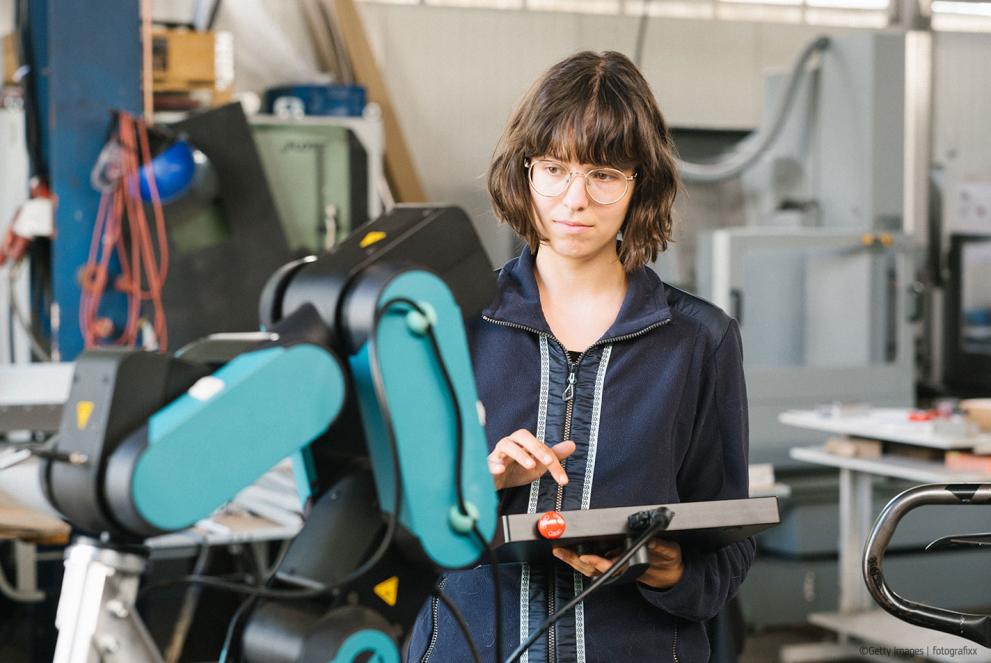
The EU’s product liability regime was established in 1985 to compensate those who have suffered physical injury or property damage due to a defective product. Since then, technological developments, new circular economy business models and ever-more global supply chains have made updating the rules essential.

The new rules explicitly cover products like software, AI systems or product-related digital services. These changes benefit both consumers and manufacturers. Consumers will find it easier to claim damages in court, while manufacturers will benefit from clear rules for digital products and circular economy business models. Additionally, harmonised liability rules across the EU will help to reduce business costs and give businesses the certainty they need to invest in innovative products.

These new rules also take into account the increasing number of products on the EU market that are manufactured outside the EU, by ensuring that there is always an economic operator within the Union from whom a victim can claim compensation. Finally, this provision also applies to products sold through online platforms.

Product safety in the EU

Product safety remains a top EU priority, to protect consumers, foster innovation, and ensure a fair and competitive single market. Product safety laws make sure that all goods sold within the EU single market meet stringent safety, health, and environmental standards.

The General Product Safety Directive applies to non-food products and all sales channels. It establishes specific obligations for businesses to ensure that all consumer products in the EU are safe. Many products require CE marking that confirms they are EU compliant before they can be sold. If a product is deemed unsafe, alerts are issued through Safety Gate, a rapid alert system allowing EU countries to share information on dangerous non-food products, enabling swift corrective actions.

When it comes to food products, the EU has some of the highest standards of food safety in the world. These are regulated by the General Food Law, and supported by the Farm to Fork Strategy which ensures food systems are fair, healthy and environmentally-friendly.

More information: European Commission.

Publicaciones relacionadas:

semiconductorThe European Commission recommends carrying out a risk assessment of 4 critical technology areas: advanced semiconductors, AI, quantum and biotechnologies microchip semiconductorNew rules to boost EU chips industry Commission sends requests for information to TikTok and YouTube under the Digital Services Act Commission launches AI innovation package to support Artificial Intelligence startups and SMEs Commission designates Apple’s iPadOS as a gatekeeper under the Digital Markets Act


EU News,  Industry,  Market,  Research and Innovation,  Technology circular economy,  Digital age,  European Commission,  product liability

“This is a space for debate. All comments, for or against publication, that are respectful and do not contain expressions that are discriminatory, defamatory or contrary to current legislation will be published”.

Reader Interactions

Leave a Reply Cancel reply

Your email address will not be published. Required fields are marked *

This site uses Akismet to reduce spam. Learn how your comment data is processed.

Primary Sidebar

Footer

  • CDE Almería
  • Biblioteca Nicolás Salmerón – Universidad de Almería
  • Planta: 1ª, Despacho: 1.05.0B.
  • Ctra. Sacramento s/n. Almería (Spain)
  • Teléfono: (+34) 950 015266

HOME
NEWS
DOCUMENTATION
EUROPE ON THE NET
ABOUT US

  • LEGAL NOTICE
  • PRIVACY POLICY
  • COOKIE POLICY
  • ACCESSIBILITY
  • SITEMAP

Copyright © 2026 CDE Almería · Creative Commons LicenseThis work is licensed under a Creative Commons Attribution-NonCommercial 4.0 International License.

<p>El Centro de Documentación Europea de la Universidad de Almería utiliza cookies propias y de terceros para facilitar al usuario la navegación en su página Web y el acceso a los distintos contenidos alojados en la misma. Asimismo, se utilizan cookies analíticas de terceros para medir la interacción de los usuarios con el sitio Web. Pinche el siguiente enlace si desea información sobre el uso de cookies y como deshabilitarlas. </p>

Politica de privacidad

El Centro de Documentación Europea de la Universidad de Almería utiliza cookies propias y de terceros para facilitar al usuario la navegación en su página Web y el acceso a los distintos contenidos alojados en la misma. Asimismo, se utilizan cookies analíticas de terceros para medir la interacción de los usuarios con el sitio Web. Pinche el siguiente enlace si desea información sobre el uso de cookies y como deshabilitarlas. <a href="/politica-de-cookies" rel="noopener" target="_blank">Más información</a>

Cookies estrictamente necesarias

Las cookies estrictamente necesarias tiene que activarse siempre para que podamos guardar tus preferencias de ajustes de cookies.

Básicamente la web no funcionara bien si no las activas.

Estas cookies son:

  • Comprobación de inicio de sesión.
  • Cookies de seguridad.
  • Aceptación/rechazo previo de cookies.
Cookies de terceros

Esta web utiliza Google Analytics, Google Tag Manager y Yandex Metrika para recopilar información anónima tal como el número de visitantes del sitio, o las páginas más populares.

Dejar estas cookies activas nos permite mejorar nuestra web.

Política de cookies

Pinche el siguiente enlace si desea información sobre el uso de cookies y como deshabilitarlas. Más información