
The EU directiverevising the lists of pollutants in surface water and groundwater came into force today (11 May), ensuring that the lists are brought into line with the latest scientific recommendations and that new substances are subject to more comprehensive monitoring and stricter controls.
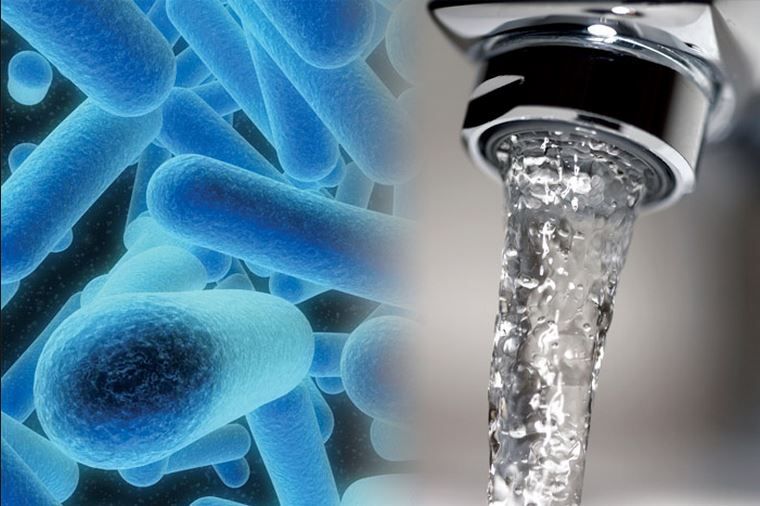
Three pieces of EU legislation will be amended: theWater Framework Directive, theEnvironmental Quality Standards Directiveand theGroundwater Directive.
The implementation of the new rules will make the EU more resilient in water matters, thereby contributing to its zero pollution and water resilience objectives.
At the same time, the revision allows for a more flexible application of the principle of no deterioration of water status to facilitate important economic activities, whilst ensuring safeguards for the protection of the environment and health.
New substances added to the lists of water pollutants.
The EU has updated its list of water pollutants to include recently identified substances that harm the environment and human health. These additions, based on the latest scientific evidence, cover certain PFAS (persistent chemicals, such as TFA),pesticidesandpharmaceuticals.
For the first time, the legislation also addressesmicroplastics,indicators of antimicrobial resistanceandsensitive groundwater ecosystems.
The revised law also introduces a requirement to carry out testing using so-called“effect-based monitoring”. Rather than measuring individual pollutants, this method assesses the combined risk to water quality and has the potential to make monitoring more comprehensive and efficient.
Furthermore, the revised legislation updates the limits for pollutants already included on the lists. Six substances which, thanks to measures taken to ban or restrict their use, no longer pose a risk across the EU, are included in new lists of pollutants of national concern.
The law gives theEuropean Chemicals Agency (ECHA)a key role in preparing future revisions of the lists of pollutants and their rules, in line with the Commission’s aim of facilitating a ‘one substance, one assessment’ approach in line with theChemicals Strategy for Sustainability.
The new rules also strengthen cross-border cooperation and streamline the collection and reporting of data on water status.
New simplification measures
The revision also removes and simplifies certain reporting obligations, thereby reducing the administrative burden on Member States and making it easier for them to share monitoring data with the Commission using digital tools to be developed in close collaboration with the European Environment Agency.
The new law incorporates a definition of no deterioration and adds the possibility of carrying out two types of activity, subject to strict safety measures.
These activities include improvement works, such as the reconstruction of bridges or flood protection works, which may have only temporary impacts, and activities that merely relocate pollution without actually increasing it, such as drainage for construction or sediment dredging.
Next steps
Member States must implement the requirements and transpose the amendments to the three relevant Directivesby 22 December 2027: the Water Framework Directive, the Environmental Quality Standards Directive and the Groundwater Directive.
Background
The Commission adoptedits proposalfor revised lists of pollutants in surface water and groundwater on 26 October 2022. The Directive is a key element of the European Green Deal and the Zero Pollution Action Plan.
The proposal was the culmination of an exhaustive review process that benefited from technical support from the Commission’s Joint Research Centre and involved experts from Member States and stakeholders, as well as the Scientific Committee on Health, the Environment and Emerging Risks.
TheWater Framework Directive (WFD)focuses on the protection and sustainable management of water resources. It requires Member States to use their River Basin Management Plans (RBMPs) and Programmes of Measures (POMs) to protect and, where necessary, restore bodies of water to good status, and to prevent their deterioration.
Good status means good chemical and ecological status for surface waters, and good chemical and quantitative status for groundwater.
The Water Framework Directive (WFD) is the main piece of legislation and is supported by two daughter directives: one ongroundwater(theGroundwater Directive, GWD) and anotheron surface water(theEnvironmental Quality Standards Directive, EQSD).
The legislation requires that lists of pollutants be reviewed periodically and, if necessary, updated.
More information: European Commission.
Publicaciones relacionadas:
 Commission restricts use of chemicals to protect workers’ health
 The Commission establishes a working group to strengthen food safety controls on imports
 Bone metastasis from melanoma, new hopes
 Commission takes stock of the work of HERA to reinforce health security in the EU
 EU pledges €3.4 billion to combat global malnutrition
Leave a Reply