
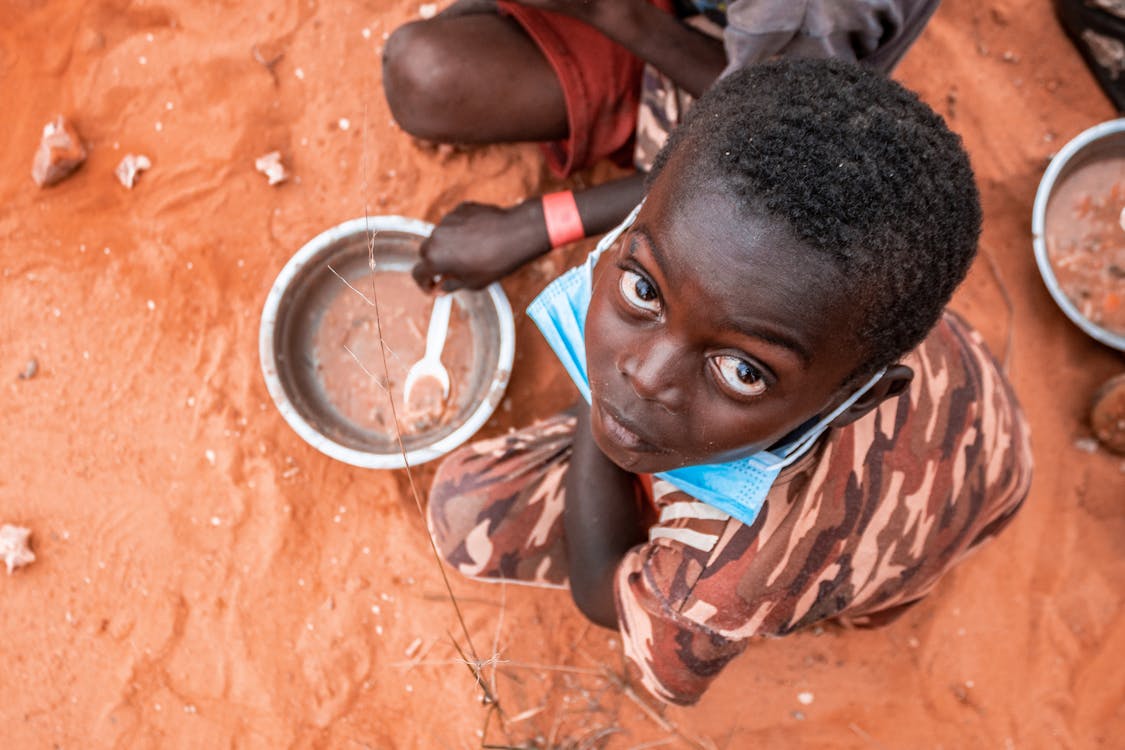
Last March 27th, at the Nutrition for Growth (N4G) Summit in Paris, the European Commission announced a new pledge of €3.4 billion until 2027 to combat malnutrition globally. This commitment builds on the EU’s ongoing efforts to reduce all forms of malnutrition and drive progress in nutrition-related interventions worldwide.
The EU’s investment will focus on supporting partner countries facing high levels of child malnutrition, particularly in Sub-Saharan Africa. It will target children under five and young pregnant and lactating mothers suffering from severe acute malnutrition. The support will be tailored to address the specific needs of each country, with a strong emphasis on the most vulnerable populations in least developed and fragile settings.
The EU’s engagement will also continue at global and regional levels, where the EU is successfully promoting initiatives to strengthen nutrition governance and international collaboration on research and development.
Today’s pledge follows the EU’s previous commitment of €2.5 billion for 2021-2023, announced at the N4G Summit in Tokyo. The EU even exceeded its initial pledge by nearly €1.9 billion, ultimately contributing a total of €4.4 billion for 2021-2023.
To maximise its impact, the EU invests through its Global Gateway strategy in essential infrastructure, improving access to public services, supporting local agri-food value chains, and promoting sustainable economic growth.
Background
The European Union supports global, regional, and country-level initiatives that strengthen nutrition governance, foster international collaboration on data, and advance nutrition research and technology development. Additionally, the EU provides humanitarian assistance to address severe acute malnutrition, delivering life-saving treatment to hundreds of thousands of vulnerable children in remote, fragile or country-affected areas.
By integrating nutrition into its programming, the EU reinforces the link between humanitarian and development actions, recognising that multi-sectoral approaches are essential to tackle the root causes of malnutrition.
Results on the ground are promising: EU investments have significantly improved maternal and child nutrition, with partner countries on track to reduce the number of stunted children under five by at least 7 million by 2025.
The Nutrition for Growth (N4G) summits have been instrumental in accelerating progress towards a malnutrition-free world. Since 2013, host countries, including the United Kingdom, Brazil, Japan and now France, have leveraged these global events to mobilise commitments and coordinate efforts with governments, donors, civil society, and the private sector, yielding impactful results and improved global nutrition outcomes.
More information: European Commission
Publicaciones relacionadas:
 How often do you drink sugar-sweetened soft drinks?
 Healthy Lifestyle: Commission launches a European-wide campaign
 Protein-rich legumes and quinoa in the plant-based food alternatives spotlight
 Sugars, salt, fat, fibre: are packaged foods and soft drinks becoming healthier?
 New EU farm to fork strategy to make our food healthier and more sustainable
Leave a Reply