• Skip to primary navigation
  • Skip to main content
  • Skip to primary sidebar
  • Skip to footer
  • Bluesky
  • Facebook
  • Instagram
  • Twitter
  • YouTube
CDE Almería – Centro de Documentación Europea – Universidad de Almería

CDE Almería - Centro de Documentación Europea - Universidad de Almería

Centro de Documentación Europea de la Universidad de Almería

  • HOME
  • WHAT´S ON
    • EU NEWS
    • Activities
    • EU Calls and Awards
    • Radio Program «Europe with You»
  • DOCUMENTATION
    • EU Media Collection
      • Web Space
      • MEDIATHEQUE REPOSITORY
  • Europe on the net
    • Institutions
    • EU Representation in Spain
    • European information network of Andalusia
  • ABOUT US
    • Presentation
    • Services
    • People
    • Contact
  • Spanish
  • English

The Commission establishes a working group to strengthen food safety controls on imports

Inicio » Noticias UE » Sanidad » The Commission establishes a working group to strengthen food safety controls on imports

28 de January de 2026

The European Commission has established a task force to maintain and strengthen the EU’s capacity to ensure that imports comply with Union standards, while supporting employment and growth for EU producers.
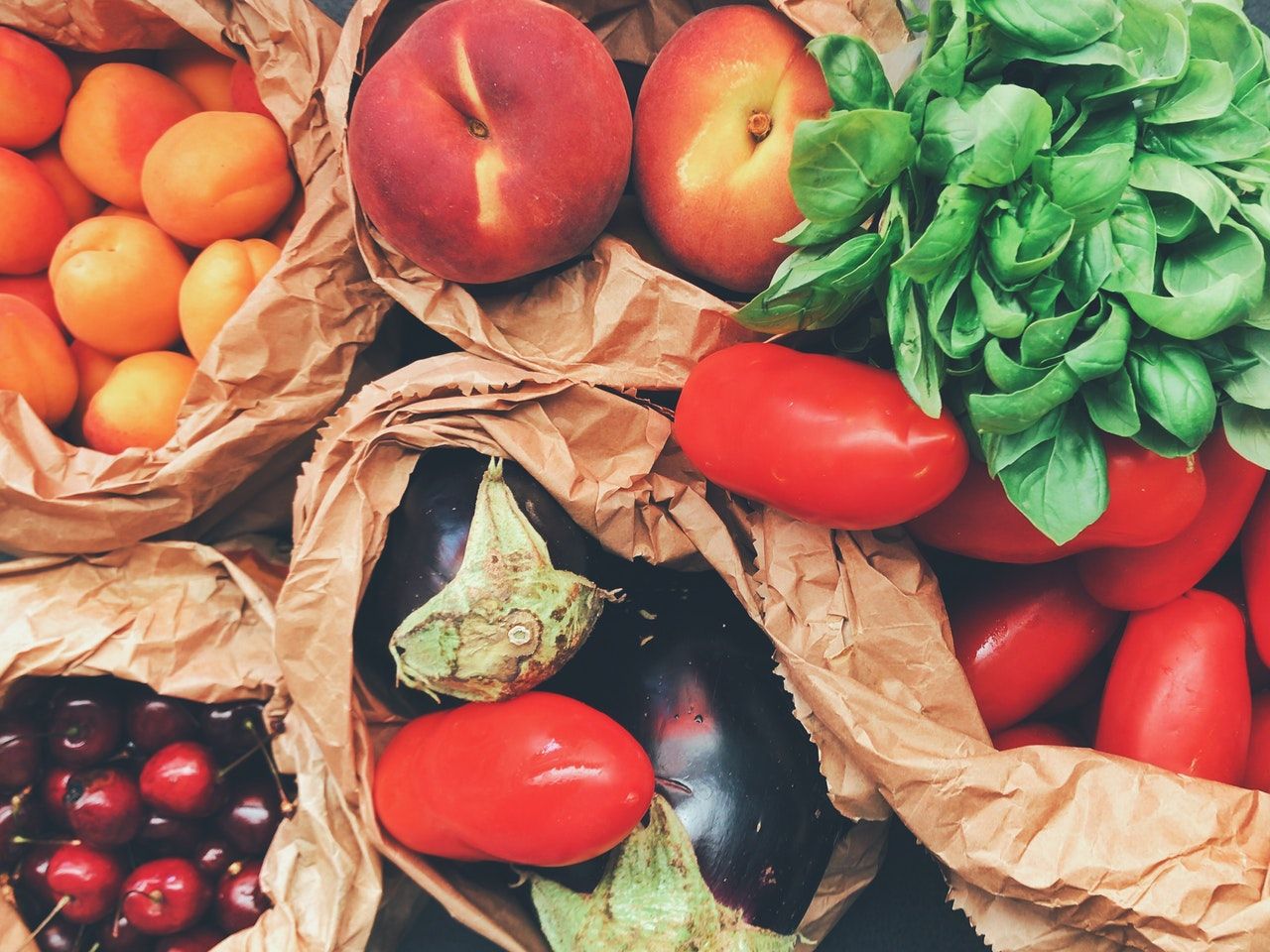
Frutas y verduras frescas dentro de bolsas de papel sobre una mesa

The task force will focus in particular on food and feed safety, pesticide residues and coordinated EU follow-up measures on specific imported products. It will bring together the technical expertise of the Commission and Member States and contribute to:

  • greater harmonisation of import controls across the EU;
  • developing recommendations for joint action between the Commission and Member States;
  • identifying where additional administrative or regulatory measures are needed to strengthen controls.

The central objective of the European Commission’s food safety policy is to ensure the highest levels of protection for human, animal and plant health, guaranteeing safe and nutritious food for EU consumers, as well as the highest standards for animal feed.

Strict import rules on food and feed hygiene, consumer safety and animal and plant health are designed to ensure that all imports meet the same high standards as EU products. Import controls are essential to verify that food and feed comply with the relevant requirements. EU rules apply to all products sold in the EU, whether they are produced domestically or imported.

Context

The official presentation of the task force took place in the margins of the Council meeting on 26 January and builds on the dialogue on the implementation of import controls held last December, when the Commission announced a strengthening of its measures in this area.

The European Union has robust food and feed safety legislation in place to ensure that food and feed imported from third countries is safe for our citizens. National authorities are responsible for carrying out controls on imports from third countries to assess their compliance with EU food and feed safety standards. The Commission carries out audits in third countries to assess their systems and reliability, while working closely with Member States’ veterinary and customs authorities.

More information: European Commission

Publicaciones relacionadas:

Bone metastasis from melanoma, new hopes Commission takes stock of the work of HERA to reinforce health security in the EU EU pledges €3.4 billion to combat global malnutrition Could we live without pain? Commission restricts use of chemicals to protect workers’ health

EU News,  Health actualidad,  actualidad,  Comision Europea,  controls,  European Commission,  European Union,  Food Safety,  health,  hygiene,  Imports,  News,  noticias,  Pesticides,  Unión Europea

“This is a space for debate. All comments, for or against publication, that are respectful and do not contain expressions that are discriminatory, defamatory or contrary to current legislation will be published”.

Reader Interactions

Leave a Reply Cancel reply

Your email address will not be published. Required fields are marked *

This site uses Akismet to reduce spam. Learn how your comment data is processed.

Primary Sidebar

Footer

  • CDE Almería
  • Biblioteca Nicolás Salmerón – Universidad de Almería
  • Planta: 1ª, Despacho: 1.05.0B.
  • Ctra. Sacramento s/n. Almería (Spain)
  • Teléfono: (+34) 950 015266

HOME
NEWS
DOCUMENTATION
EUROPE ON THE NET
ABOUT US

  • LEGAL NOTICE
  • PRIVACY POLICY
  • COOKIE POLICY
  • ACCESSIBILITY
  • SITEMAP

Copyright © 2026 CDE Almería · Creative Commons LicenseThis work is licensed under a Creative Commons Attribution-NonCommercial 4.0 International License.

<p>El Centro de Documentación Europea de la Universidad de Almería utiliza cookies propias y de terceros para facilitar al usuario la navegación en su página Web y el acceso a los distintos contenidos alojados en la misma. Asimismo, se utilizan cookies analíticas de terceros para medir la interacción de los usuarios con el sitio Web. Pinche el siguiente enlace si desea información sobre el uso de cookies y como deshabilitarlas. </p>

Politica de privacidad

El Centro de Documentación Europea de la Universidad de Almería utiliza cookies propias y de terceros para facilitar al usuario la navegación en su página Web y el acceso a los distintos contenidos alojados en la misma. Asimismo, se utilizan cookies analíticas de terceros para medir la interacción de los usuarios con el sitio Web. Pinche el siguiente enlace si desea información sobre el uso de cookies y como deshabilitarlas. <a href="/politica-de-cookies" rel="noopener" target="_blank">Más información</a>

Cookies estrictamente necesarias

Las cookies estrictamente necesarias tiene que activarse siempre para que podamos guardar tus preferencias de ajustes de cookies.

Básicamente la web no funcionara bien si no las activas.

Estas cookies son:

  • Comprobación de inicio de sesión.
  • Cookies de seguridad.
  • Aceptación/rechazo previo de cookies.
Cookies de terceros

Esta web utiliza Google Analytics, Google Tag Manager y Yandex Metrika para recopilar información anónima tal como el número de visitantes del sitio, o las páginas más populares.

Dejar estas cookies activas nos permite mejorar nuestra web.

Política de cookies

Pinche el siguiente enlace si desea información sobre el uso de cookies y como deshabilitarlas. Más información