• Skip to primary navigation
  • Skip to main content
  • Skip to primary sidebar
  • Skip to footer
  • Bluesky
  • Facebook
  • Instagram
  • Twitter
  • YouTube
CDE Almería – Centro de Documentación Europea – Universidad de Almería

CDE Almería - Centro de Documentación Europea - Universidad de Almería

Centro de Documentación Europea de la Universidad de Almería

  • HOME
  • WHAT´S ON
    • EU NEWS
    • Activities
    • EU Calls and Awards
    • Radio Program «Europe with You»
  • DOCUMENTATION
    • EU Media Collection
      • Web Space
      • MEDIATHEQUE REPOSITORY
  • Europe on the net
    • Institutions
    • EU Representation in Spain
    • European information network of Andalusia
  • ABOUT US
    • Presentation
    • Services
    • People
    • Contact
  • Spanish
  • English

Council adopts new rules on renewable energies

Inicio » EU News » Environmental Affairs » Council adopts new rules on renewable energies

11 de October de 2023

The Council today adopted the new Renewables Energy Directive to raise the share of renewable energy in the EU’s overall energy consumption to 42.5% by 2030 with an additional 2.5% indicative top up to allow the target of 45% to be achieved. Each member state will contribute to this common target.
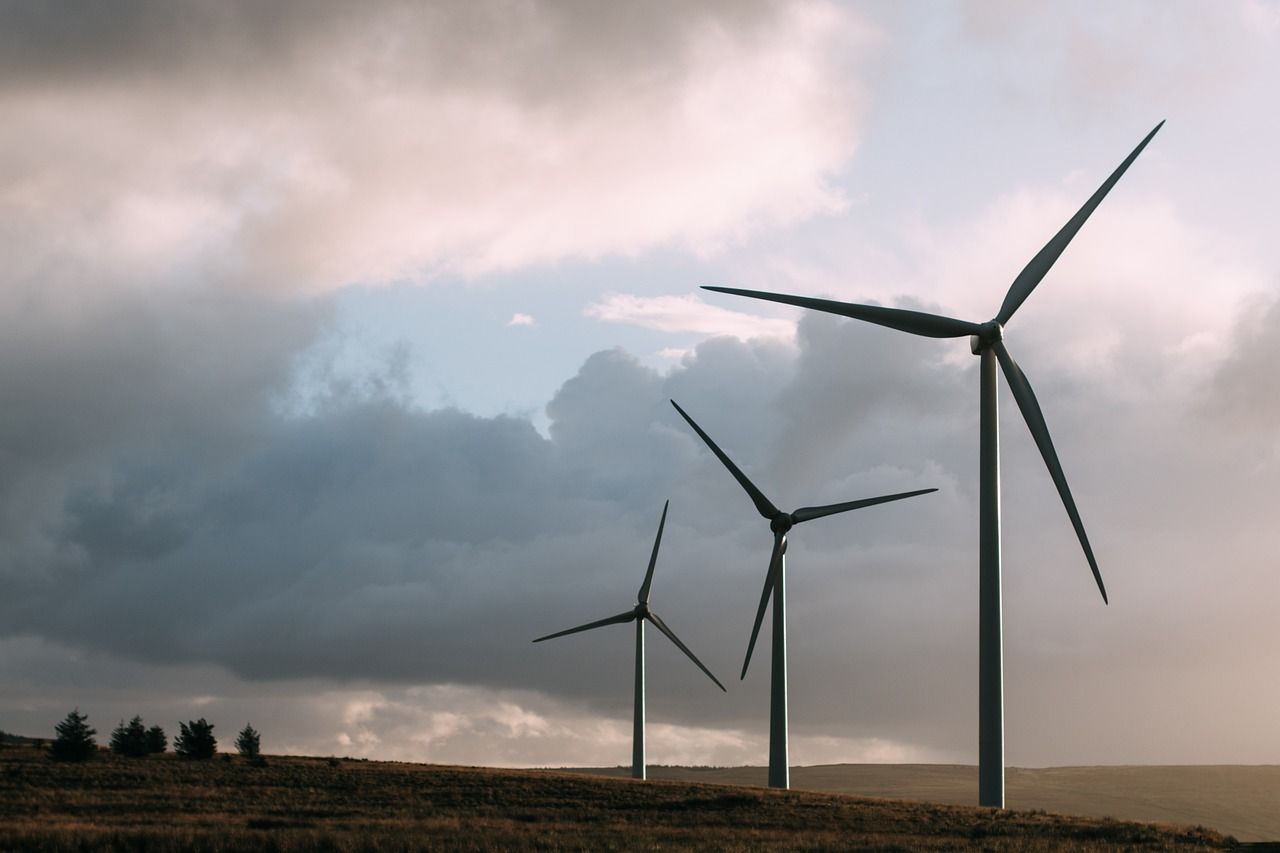
All member states will contribute to achieving more ambitious sector-specific targets in transport, industry, buildings and district heating and cooling. The purpose of the sub-targets is to speed up the integration of renewables in sectors where incorporation has been slower.

Transport

Member states will have the possibility to choose between:

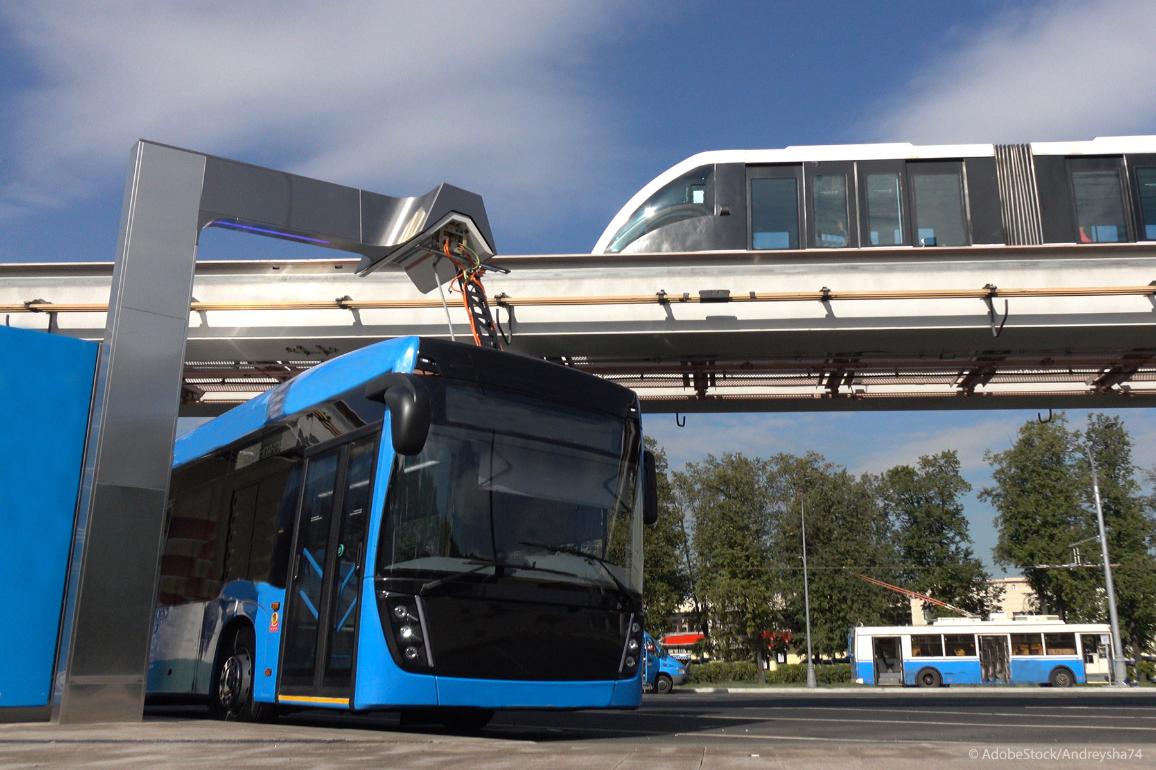
  • a binding target of a 14.5% reduction in greenhouse gas intensity in transport from the use of renewables by 2030
  • or a binding share of at least 29% of renewables within the final consumption of energy in the transport sector by 2030

The new rules establish a binding combined sub-target of 5.5% for advanced biofuels (generally derived from non-food-based feedstocks) and renewable fuels of non-biological origin (mostly renewable hydrogen and hydrogen-based synthetic fuels) in the share of renewable energies supplied to the transport sector. Within this target, there is a minimum requirement of 1% of renewable fuels of non-biological origin (RFNBOs) in the share of renewable energies supplied to the transport sector in 2030. 

Industry

The directive states that industry will need to increase the use of renewable energy annually by 1.6%. Member states agreed that 42% of the hydrogen used in industry should come from renewable fuels of non-biological origin (RFNBOs) by 2030 and 60% by 2035.

Member states will have the possibility to discount the contribution of RFNBOs in industry use by 20% under two conditions:

  • if the member states’ national contribution to the binding overall EU target meets their expected contribution
  • the share of hydrogen from fossil fuels consumed in the member state is not more 23% in 2030 and 20% in 2035
Buildings, heating and cooling

The new rules set an indicative target of at least a 49% renewable energy share in buildings in 2030.

Renewable targets for heating and cooling will gradually increase, with a binding increase of 0.8% per year at national level until 2026 and 1.1% from 2026 to 2030. The minimum annual average rate applicable to all member states is complemented by additional indicative increases calculated specifically for each member state.

Bioenergy

The directive strengthens the sustainability criteria for the use of biomass for energy, in order to reduce the risk of unsustainable bioenergy production. Member states will ensure that the cascading principle is applied, with a focus on support schemes and with due regard to national specificities.

Faster permits for projects

Permit procedures for renewable energy projects will be accelerated. The intention is to fast- track the deployment of renewable energies in the context of the EU’s REPowerEU plan to become independent from Russian fossil fuels, after Russia’s invasion of Ukraine.

Member states will design renewables acceleration areas where renewable energy projects will undergo simplified and fast permit-granting processes. Renewable energy deployment will also be presumed to be of ‘overriding public interest’, which will limit the grounds of legal objections to new installations.
What is the EU doing to promote the development of renewable energy?

Next steps

The directive has been formally adopted. It will now be published in the EU’s Official Journal and enter into force 20 days later. Member states will have 18 months after the entry into force of the directive to transpose it into national legislation.

More information: Council of the European Union

Publicaciones relacionadas:

medio ambiente , economía circular , pacto verdeA New Circular Economy Action Plan for a Cleaner and More Competitive Europe GEOTHERMICA, the new European initiative BSO – Tracking energy in our buildings La Comisión Europea aprueba la medida española y portuguesa para reducir el precio de la electricidadEnergy security in the EU New R&T project to improve resilience of cold weather operations

Environmental Affairs,  EU News

“This is a space for debate. All comments, for or against publication, that are respectful and do not contain expressions that are discriminatory, defamatory or contrary to current legislation will be published”.

Reader Interactions

Leave a Reply Cancel reply

Your email address will not be published. Required fields are marked *

This site uses Akismet to reduce spam. Learn how your comment data is processed.

Primary Sidebar

Footer

  • CDE Almería
  • Biblioteca Nicolás Salmerón – Universidad de Almería
  • Planta: 1ª, Despacho: 1.05.0B.
  • Ctra. Sacramento s/n. Almería (Spain)
  • Teléfono: (+34) 950 015266

HOME
NEWS
DOCUMENTATION
EUROPE ON THE NET
ABOUT US

  • LEGAL NOTICE
  • PRIVACY POLICY
  • COOKIE POLICY
  • ACCESSIBILITY
  • SITEMAP

Copyright © 2026 CDE Almería · Creative Commons LicenseThis work is licensed under a Creative Commons Attribution-NonCommercial 4.0 International License.

<p>El Centro de Documentación Europea de la Universidad de Almería utiliza cookies propias y de terceros para facilitar al usuario la navegación en su página Web y el acceso a los distintos contenidos alojados en la misma. Asimismo, se utilizan cookies analíticas de terceros para medir la interacción de los usuarios con el sitio Web. Pinche el siguiente enlace si desea información sobre el uso de cookies y como deshabilitarlas. </p>

Politica de privacidad

El Centro de Documentación Europea de la Universidad de Almería utiliza cookies propias y de terceros para facilitar al usuario la navegación en su página Web y el acceso a los distintos contenidos alojados en la misma. Asimismo, se utilizan cookies analíticas de terceros para medir la interacción de los usuarios con el sitio Web. Pinche el siguiente enlace si desea información sobre el uso de cookies y como deshabilitarlas. <a href="/politica-de-cookies" rel="noopener" target="_blank">Más información</a>

Cookies estrictamente necesarias

Las cookies estrictamente necesarias tiene que activarse siempre para que podamos guardar tus preferencias de ajustes de cookies.

Básicamente la web no funcionara bien si no las activas.

Estas cookies son:

  • Comprobación de inicio de sesión.
  • Cookies de seguridad.
  • Aceptación/rechazo previo de cookies.
Cookies de terceros

Esta web utiliza Google Analytics, Google Tag Manager y Yandex Metrika para recopilar información anónima tal como el número de visitantes del sitio, o las páginas más populares.

Dejar estas cookies activas nos permite mejorar nuestra web.

Política de cookies

Pinche el siguiente enlace si desea información sobre el uso de cookies y como deshabilitarlas. Más información