• Skip to primary navigation
  • Skip to main content
  • Skip to primary sidebar
  • Skip to footer
  • Bluesky
  • Facebook
  • Instagram
  • Twitter
  • YouTube
CDE Almería – Centro de Documentación Europea – Universidad de Almería

CDE Almería - Centro de Documentación Europea - Universidad de Almería

Centro de Documentación Europea de la Universidad de Almería

  • HOME
  • WHAT´S ON
    • EU NEWS
    • Activities
    • EU Calls and Awards
    • Radio Program «Europe with You»
  • DOCUMENTATION
    • EU Media Collection
      • Web Space
      • MEDIATHEQUE REPOSITORY
  • Europe on the net
    • Institutions
    • EU Representation in Spain
    • European information network of Andalusia
  • ABOUT US
    • Presentation
    • Services
    • People
    • Contact
  • Spanish
  • English

ECHA will work on healthier potable water

Inicio » EU News » ECHA will work on healthier potable water

22 de January de 2020

ECHA will start to compile a list of substances that can be safely used in materials that come into contact with drinking water. The aim is to improve consumer protection and ensure equal safety standards for industry.
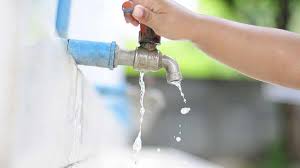
With the recast of the Drinking Water Directive, ECHA has been given a task to compile and manage an EU positive list of chemicals that can be safely used in materials that come into contact with drinking water. The first positive list is expected to cover around 1 500 chemicals and will be adopted by the European Commission by 2024.

Procedure

As the first EU positive list will be based on the existing lists in the Member States, a review programme will be introduced through which the Agency will reassess all substances on the list within 15 years from its publication. ECHA will prioritise substances for the systematic review and recommend expiry dates for them. Each approved substance will be authorised for use for a limited period of time. The timing of the reviews will be based on the hazardous properties of the substances as well as the quality of and how up to date underlying risk assessments are.

  • Companies will need to submit a review application to ECHA if they want to keep their substances on the positive list.
  • Companies will also need to submit an application if they want to add new substances to the list. Member States can also submit dossiers to ECHA to remove substances from the list or to update entries – for example, when a concentration limit for a substance in drinking water changes.
  • ECHA will assess applications and dossiers and its Committee for Risk Assessment will form its opinion for further decision making by the Commission.

Partnership

ECHA will support the Commission in developing information requirements for applicants and assessment methods. This work will be done in close collaboration with the European Food Safety Authority (EFSA) due to the close links with food contact materials.

Background

The provisional agreement on the recast of the Drinking Water Directive was reached on 18 December 2019 and is still subject to formal approval by the European Parliament and the Council. Following approval the Directive will be published in the EU’s Official Journal and enter into force 20 days later.

More information

Full news

Publicaciones relacionadas:

Safe drinking water and sanitation: Council approves EU guidelines New challenges facing Europe’s waste water treatment plants present opportunities for improving sustainability Brote verde sale de la tierra trabajadaThe effect of wastewater contaminants on crops Safe and clean drinking water in the EU Quality of Europe’s bathing waters remains high, latest annual assessment finds


EU News chemicals,  Water

“This is a space for debate. All comments, for or against publication, that are respectful and do not contain expressions that are discriminatory, defamatory or contrary to current legislation will be published”.

Reader Interactions

Leave a Reply Cancel reply

Your email address will not be published. Required fields are marked *

This site uses Akismet to reduce spam. Learn how your comment data is processed.

Primary Sidebar

Footer

  • CDE Almería
  • Biblioteca Nicolás Salmerón – Universidad de Almería
  • Planta: 1ª, Despacho: 1.05.0B.
  • Ctra. Sacramento s/n. Almería (Spain)
  • Teléfono: (+34) 950 015266

HOME
NEWS
DOCUMENTATION
EUROPE ON THE NET
ABOUT US

  • LEGAL NOTICE
  • PRIVACY POLICY
  • COOKIE POLICY
  • ACCESSIBILITY
  • SITEMAP

Copyright © 2026 CDE Almería · Creative Commons LicenseThis work is licensed under a Creative Commons Attribution-NonCommercial 4.0 International License.

<p>El Centro de Documentación Europea de la Universidad de Almería utiliza cookies propias y de terceros para facilitar al usuario la navegación en su página Web y el acceso a los distintos contenidos alojados en la misma. Asimismo, se utilizan cookies analíticas de terceros para medir la interacción de los usuarios con el sitio Web. Pinche el siguiente enlace si desea información sobre el uso de cookies y como deshabilitarlas. </p>

Politica de privacidad

El Centro de Documentación Europea de la Universidad de Almería utiliza cookies propias y de terceros para facilitar al usuario la navegación en su página Web y el acceso a los distintos contenidos alojados en la misma. Asimismo, se utilizan cookies analíticas de terceros para medir la interacción de los usuarios con el sitio Web. Pinche el siguiente enlace si desea información sobre el uso de cookies y como deshabilitarlas. <a href="/politica-de-cookies" rel="noopener" target="_blank">Más información</a>

Cookies estrictamente necesarias

Las cookies estrictamente necesarias tiene que activarse siempre para que podamos guardar tus preferencias de ajustes de cookies.

Básicamente la web no funcionara bien si no las activas.

Estas cookies son:

  • Comprobación de inicio de sesión.
  • Cookies de seguridad.
  • Aceptación/rechazo previo de cookies.
Cookies de terceros

Esta web utiliza Google Analytics, Google Tag Manager y Yandex Metrika para recopilar información anónima tal como el número de visitantes del sitio, o las páginas más populares.

Dejar estas cookies activas nos permite mejorar nuestra web.

Política de cookies

Pinche el siguiente enlace si desea información sobre el uso de cookies y como deshabilitarlas. Más información