
On last 12 December, the European Commission adopted a Defence of Democracy package, ahead of the 2024 European elections. The central piece of this package is a legislative proposal that will enhance transparency and democratic accountability of interest representation activities on behalf of third countries which are aimed at influencing policies, decision making and the democratic space. It also includes two recommendations which aim to promote free, fair and resilient elections and the participation of citizens and civil society organisations to policy-making.

The aim of this package is to tackle the threat of foreign interference with more transparency, while at the same time encouraging civic engagement and citizens’ participation in our democracies.
A recent Eurobarometer survey shows that 81% of Europeans believe that foreign interference in our democratic systems is a serious problem that needs to be addressed. It is high time to bring covert foreign influence to light.
Ensuring transparency of foreign interest representation
The EU is open to the world and actively engages with partners across the globe. Where third country governments use interest representation activities to promote their objectives and influence democratic processes in the EU, this needs to be made transparent. Today’s proposal for harmonised rules aims to ensure a common high level of transparency and democratic accountability across the EU in relation to lobbying campaigns, as well as similar activities, performed by entities on behalf of a third country government.
The proposal foresees the following transparency requirements:
- Registration in a Transparency Register: entities carrying out interest representation activities on behalf of a third country will have to register in a transparency register. Member States will be asked to establish or adapt existing national registers for this purpose.
- Public access: key elements of the data on such interest representation activities will be publicly available, allowing for transparency and democratic accountability. This relates, for instance to the annual amounts received, the third countries concerned and the main goals of the activities.
- Record keeping: entities carrying out interest representation activities on behalf of a third country will be required to keep records of the key information or material related to the interest representation activity for a period of four years after the end of this activity.
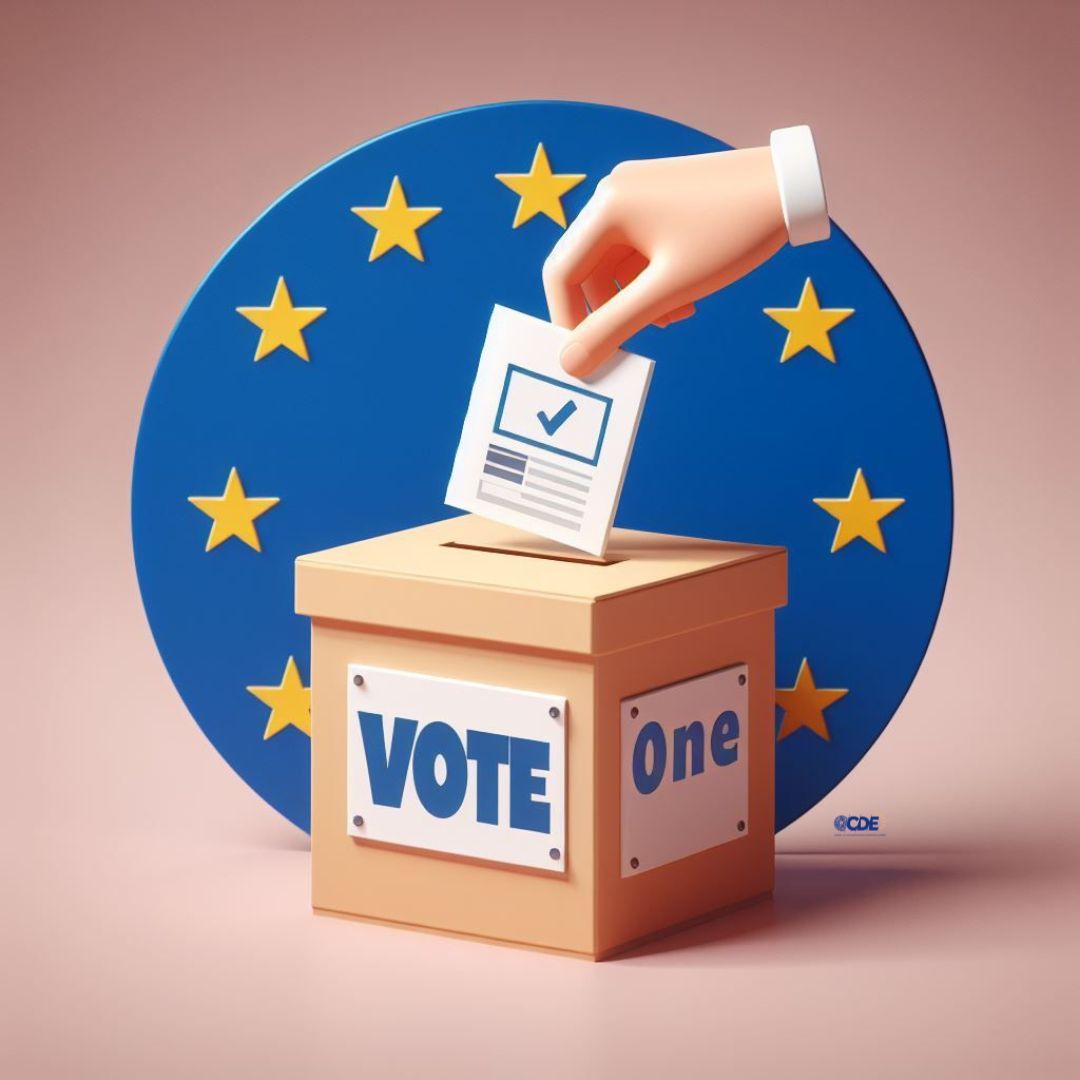
Political advertising: deal on new measures to crack down on abuse |
The proposal includes proportionate rules and safeguards to avoid registration requirements being misused to limit fundamental rights, such as the freedoms of expression or of association, or to unduly restrict the civic space, namely:
- Independent supervisory authorities will be empowered to request limited records in duly justified cases only and in a proportionate manner;
- Authorities need to ensure that no adverse consequences arise from registration;
- Possibility to derogate from the publicity of information in duly justified cases;
- The full harmonisation under the proposal prevents Member States from maintaining or introducing additional requirements and practices.
With this proposal, the Commission seeks to contribute to setting standards, not only in the EU, but also on a global scale, on how to address foreign influence in a streamlined and proportionate way, fully respecting fundamental rights.
Strengthening electoral processes in the EU
Today’s Recommendation on inclusive and resilient electoral processes in the Union and enhancing the European nature and efficient conduct of the elections to the European Parliament aims to promote high democratic standards for elections in the EU, supporting high voter turnouts, inclusive participation and making it easier to exercise one’s electoral rights. The Recommendation also addresses the protection and cybersecurity of election-related infrastructure and proposes measures to minimise risks of interference from third countries through funding of political parties, political foundations, campaign organisations and candidates. A free and fair democratic debate relies on legality and fair play. The Recommendation stresses that surveillance tools should never be used to interfere with the democratic debate and deploying such tools to target political actors and journalists for political gain is unacceptable.
The recent Eurobarometer, published on 6 December, shows that the main concerns for EU citizens in the context of the elections in Europe are related to people basing their voting decision on disinformation (78%), followed by elections being manipulated through cyberattacks (72%), foreign countries influencing elections covertly (70%) and people being pressured into voting in a particular way (65%).
Fostering inclusive participation of citizens and civil society organisations in public policy-making
The Recommendation on promoting the engagement of citizens and civil society organisations in public policy-making processes aims to create and maintain a safe and enabling environment for civil society organisations and human rights defenders, allowing them to effectively participate in democratic policy-making. It also encourages Member States to develop a structured approach to participation processes through predictable, accessible, transparent and inclusive frameworks. With a similar intention to enhance its framework for citizens’ participation, the Commission, as a follow-up to the Conference on the Future of Europe, has now embedded European Citizens’ Panels in its policy-making process. In early 2024, the Commission will launch a revamped Have Your Say portal, as a new online one-stop-shop for Citizens’ Engagement.
In the recent Eurobarometer, almost 9 in 10 respondents saw civil society as important in promoting and protecting democracy and common values.
MORE INFORMATION: PRESS RELEASE – EUROPEAN COMMISSION
Publicaciones relacionadas:
 According to the latest Eurobarometer, citizens are aware of the impact of the EU on their lives
 The European Commission fights against disinformation
 Hungary can no longer be considered a full democracy by the European Parliament
 EU EOM recommends more scrutiny of election financing and gender parity representation
 EU increases support to the protection of human rights defenders worldwide
Leave a Reply