• Skip to primary navigation
  • Skip to main content
  • Skip to primary sidebar
  • Skip to footer
  • Bluesky
  • Facebook
  • Instagram
  • Twitter
  • YouTube
CDE Almería – Centro de Documentación Europea – Universidad de Almería

CDE Almería - Centro de Documentación Europea - Universidad de Almería

Centro de Documentación Europea de la Universidad de Almería

  • HOME
  • WHAT´S ON
    • EU NEWS
    • Activities
    • EU Calls and Awards
    • Radio Program «Europe with You»
  • DOCUMENTATION
    • EU Media Collection
      • Web Space
      • MEDIATHEQUE REPOSITORY
  • Europe on the net
    • Institutions
    • EU Representation in Spain
    • European information network of Andalusia
  • ABOUT US
    • Presentation
    • Services
    • People
    • Contact
  • Spanish
  • English

Cyber: Statement by the High Representative on behalf of the EU on continued malicious behaviour in cyberspace by the Russian Federation

Inicio » EU News » Defence & Security » Cybersecurity » Cyber: Statement by the High Representative on behalf of the EU on continued malicious behaviour in cyberspace by the Russian Federation

6 de May de 2024

The European Union and its Member States, together with international partners, strongly condemn the malicious cyber campaign conducted by the Russia-controlled Advanced Persistent Threat Actor 28 (APT28) against Germany and Czechia. Last week, Germany shared publicly its assessment on APT28 compromise of various e-mail accounts of the German Social Democratic Party executive. At the same time, Czechia announced its institutions have been a target of this cyber campaign. State institutions, agencies and entities in Member States, including in Poland, Lithuania, Slovakia and Sweden have been targeted by the same threat actor before. In 2020, the EU imposed sanctions on individuals and entities responsible for the APT28 attacks targeting the German Federal Parliament in 2015.
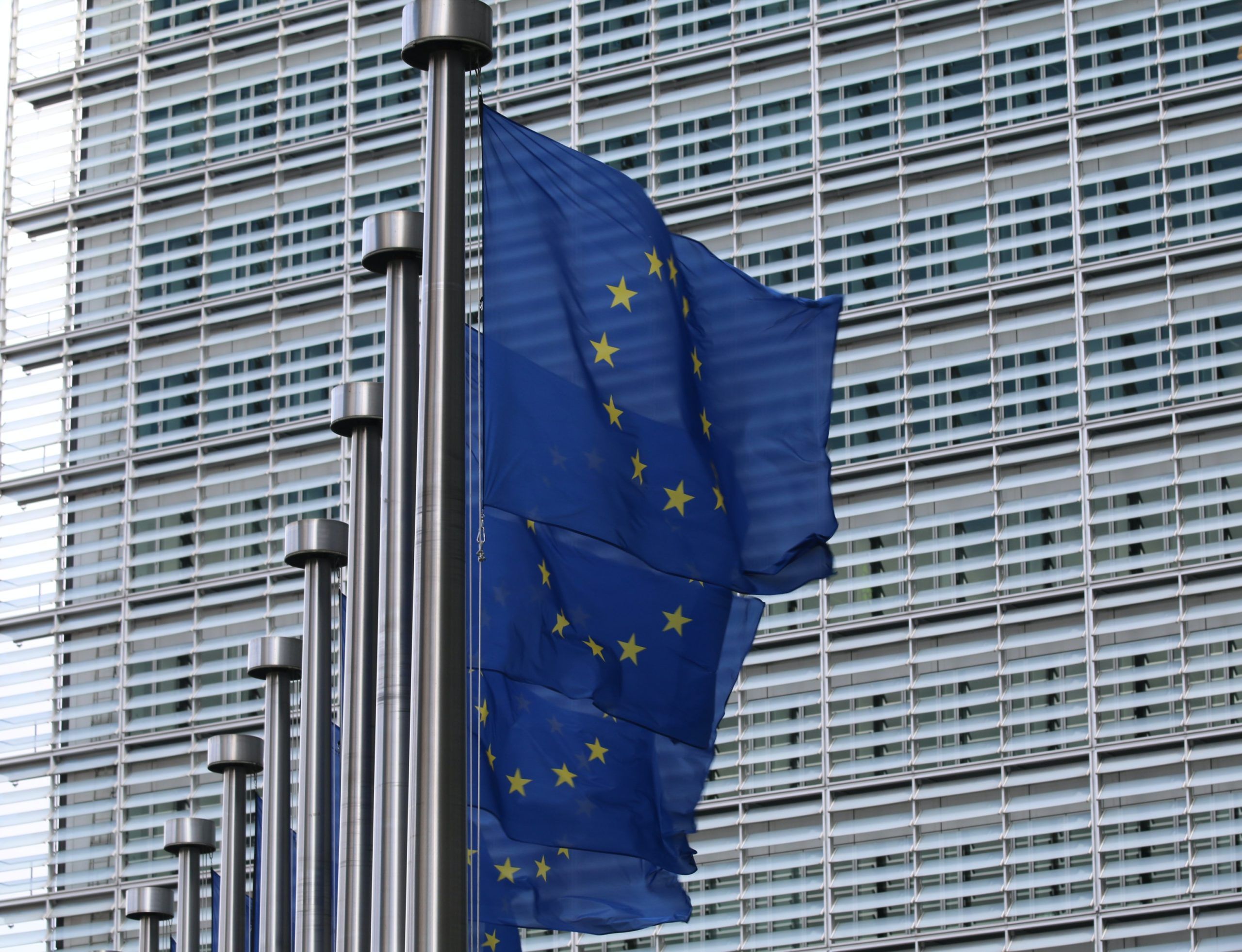
bandera de europa

The malicious cyber campaign shows Russia’s continuous pattern of irresponsible behaviour in cyberspace, by targeting democratic institutions, government entities and critical infrastructure providers across the European Union and beyond.

This type of behaviour is contrary to the UN norms of responsible state behaviour in cyberspace, such as impairing the use and operation of critical infrastructure. Disregarding international security and stability, Russia has repeatedly leveraged APT28 to conduct malicious cyber activities against the EU, its Member States and international partners, most notably Ukraine.
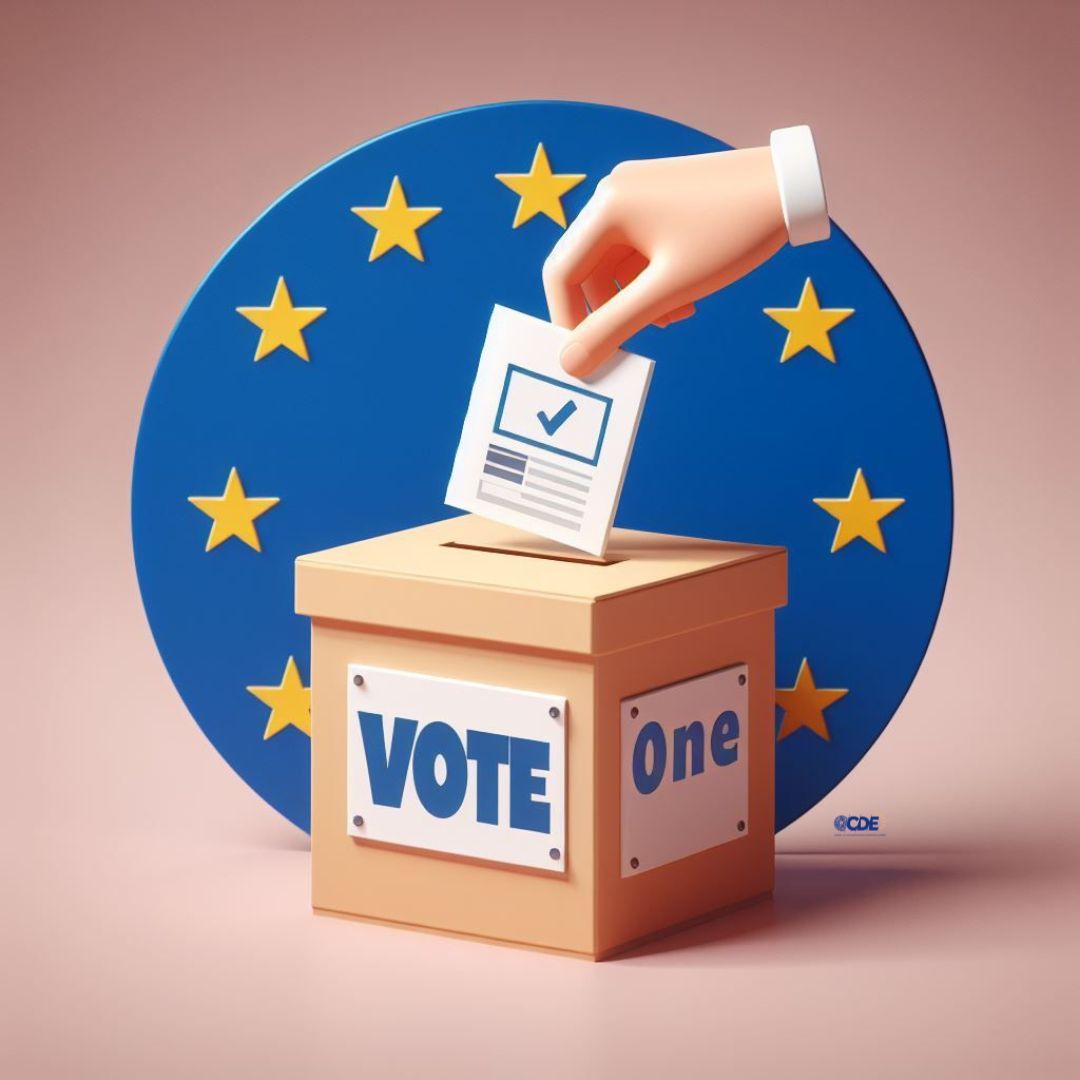
MEPs call for a firm response to counter Russian interference

The EU will not tolerate such malicious behaviour, particularly activities that aim to degrade our critical infrastructure, weaken societal cohesion and influence democratic processes, mindful of this year’s elections in the EU and in more than 60 countries around the world. The EU and its Member States will continue to cooperate with our international partners to promote an open, free, stable and secure cyberspace.

The EU is determined to make use of the full spectrum of measures to prevent, deter and respond to Russia’s malicious behaviour in cyberspace

More information: European Council
Publicaciones relacionadas:

European Cybersecurity MonthEuropean Cybersecurity Month Europeans worry about online banking fraud, data misuse and terrorist attacks cyber-security singaporeENTRUSTED: The EU’s new security project International sting against dark web vendors leads to 179 arrests seguridad-protección-ciberseguridadCOVID-19 causes an upward trend in cybercrime

Cybersecurity,  Defence & Security,  EU News Cyber,  malicious behaviour,  Russian Federation

“This is a space for debate. All comments, for or against publication, that are respectful and do not contain expressions that are discriminatory, defamatory or contrary to current legislation will be published”.

Reader Interactions

Leave a Reply Cancel reply

Your email address will not be published. Required fields are marked *

This site uses Akismet to reduce spam. Learn how your comment data is processed.

Primary Sidebar

Footer

  • CDE Almería
  • Biblioteca Nicolás Salmerón – Universidad de Almería
  • Planta: 1ª, Despacho: 1.05.0B.
  • Ctra. Sacramento s/n. Almería (Spain)
  • Teléfono: (+34) 950 015266

HOME
NEWS
DOCUMENTATION
EUROPE ON THE NET
ABOUT US

  • LEGAL NOTICE
  • PRIVACY POLICY
  • COOKIE POLICY
  • ACCESSIBILITY
  • SITEMAP

Copyright © 2026 CDE Almería · Creative Commons LicenseThis work is licensed under a Creative Commons Attribution-NonCommercial 4.0 International License.

<p>El Centro de Documentación Europea de la Universidad de Almería utiliza cookies propias y de terceros para facilitar al usuario la navegación en su página Web y el acceso a los distintos contenidos alojados en la misma. Asimismo, se utilizan cookies analíticas de terceros para medir la interacción de los usuarios con el sitio Web. Pinche el siguiente enlace si desea información sobre el uso de cookies y como deshabilitarlas. </p>

Politica de privacidad

El Centro de Documentación Europea de la Universidad de Almería utiliza cookies propias y de terceros para facilitar al usuario la navegación en su página Web y el acceso a los distintos contenidos alojados en la misma. Asimismo, se utilizan cookies analíticas de terceros para medir la interacción de los usuarios con el sitio Web. Pinche el siguiente enlace si desea información sobre el uso de cookies y como deshabilitarlas. <a href="/politica-de-cookies" rel="noopener" target="_blank">Más información</a>

Cookies estrictamente necesarias

Las cookies estrictamente necesarias tiene que activarse siempre para que podamos guardar tus preferencias de ajustes de cookies.

Básicamente la web no funcionara bien si no las activas.

Estas cookies son:

  • Comprobación de inicio de sesión.
  • Cookies de seguridad.
  • Aceptación/rechazo previo de cookies.
Cookies de terceros

Esta web utiliza Google Analytics, Google Tag Manager y Yandex Metrika para recopilar información anónima tal como el número de visitantes del sitio, o las páginas más populares.

Dejar estas cookies activas nos permite mejorar nuestra web.

Política de cookies

Pinche el siguiente enlace si desea información sobre el uso de cookies y como deshabilitarlas. Más información