
The Council has approved conclusions on ways to support influencers as online content creators in the EU.
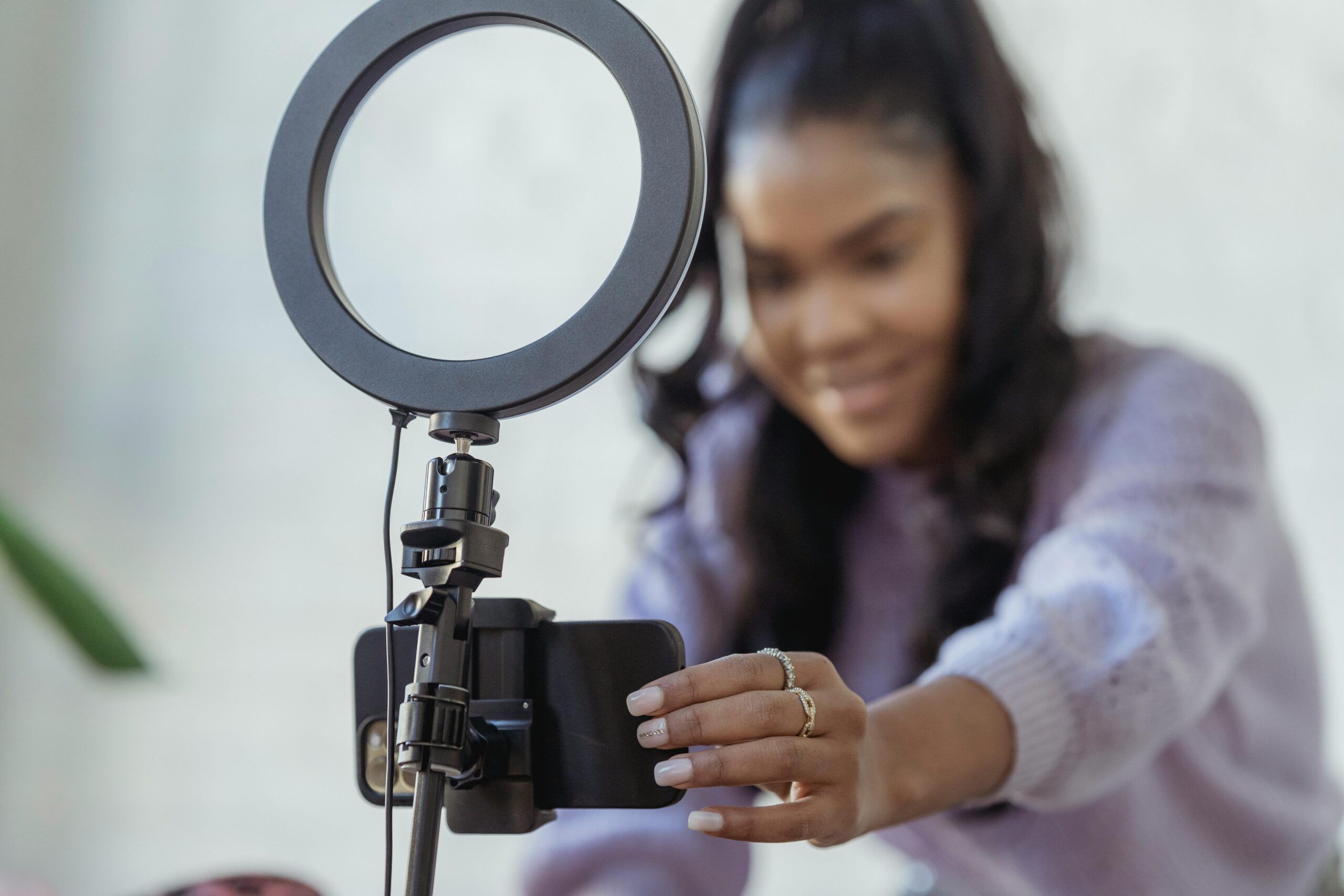
‘Influencers’ – online creators who post content on social media and video-sharing platforms – are having an increasing impact on the online content and information that people consume on a daily basis in the EU. While this impact is often positive, thanks to the diversity of online communities and the sense of belonging that they generate, it can potentially be harmful, both to individuals’ mental health and at a societal level in areas such as democracy.
Benjamin Dalle, Flemish Minister for Brussels, Youth, Media and Poverty Reduction, declared: “Europeans are spending more time online, meaning that influencers who create content for social media have a greater impact than ever before on the way we perceive and understand the world. In order to ensure that this impact is positive, the EU must provide support to influencers, enabling them to build their media literacy and increase their awareness and appreciation of the rules that govern their actions online.”
Potential impact of influencers
The Council’s conclusions note that while influencers already make use of their technical and creative skills to produce and edit content, they also need media literacy skills to understand the potential negative impact of sharing mis- and disinformation, online hate speech, cyberbullying and other illegal or harmful content.
In particular, the Council points to the rise of ‘kidfluencers’ – influencers who are under the age of eighteen – and the need for parents, guardians and caregivers to protect kidfluencers and ensure that they are aware of their relevant legal obligations.
Key recommendations
In its conclusions, the Council:
- encourages member states to engage with influencers and their emerging representative organisations to ensure that they are aware of their role in the media ecosystem and the legislation that applies to them
- invites the Commission to explore ways to support influencers at EU level, including via a coherent policy approach focusing on media literacy and responsible online behaviour, as well as making use of existing EU funds and programmes on media education
- calls on both the Commission and member states to develop policies and instruments to foster responsible behaviour on the part of influencers and to support the development of self-regulatory bodies or mechanisms, including a possible ethical code or similar initiatives for influencers
- calls on member states and the Commission to ensure that influencers are involved in the development of those aspects of media policy that may impact them, including the increased use of AI
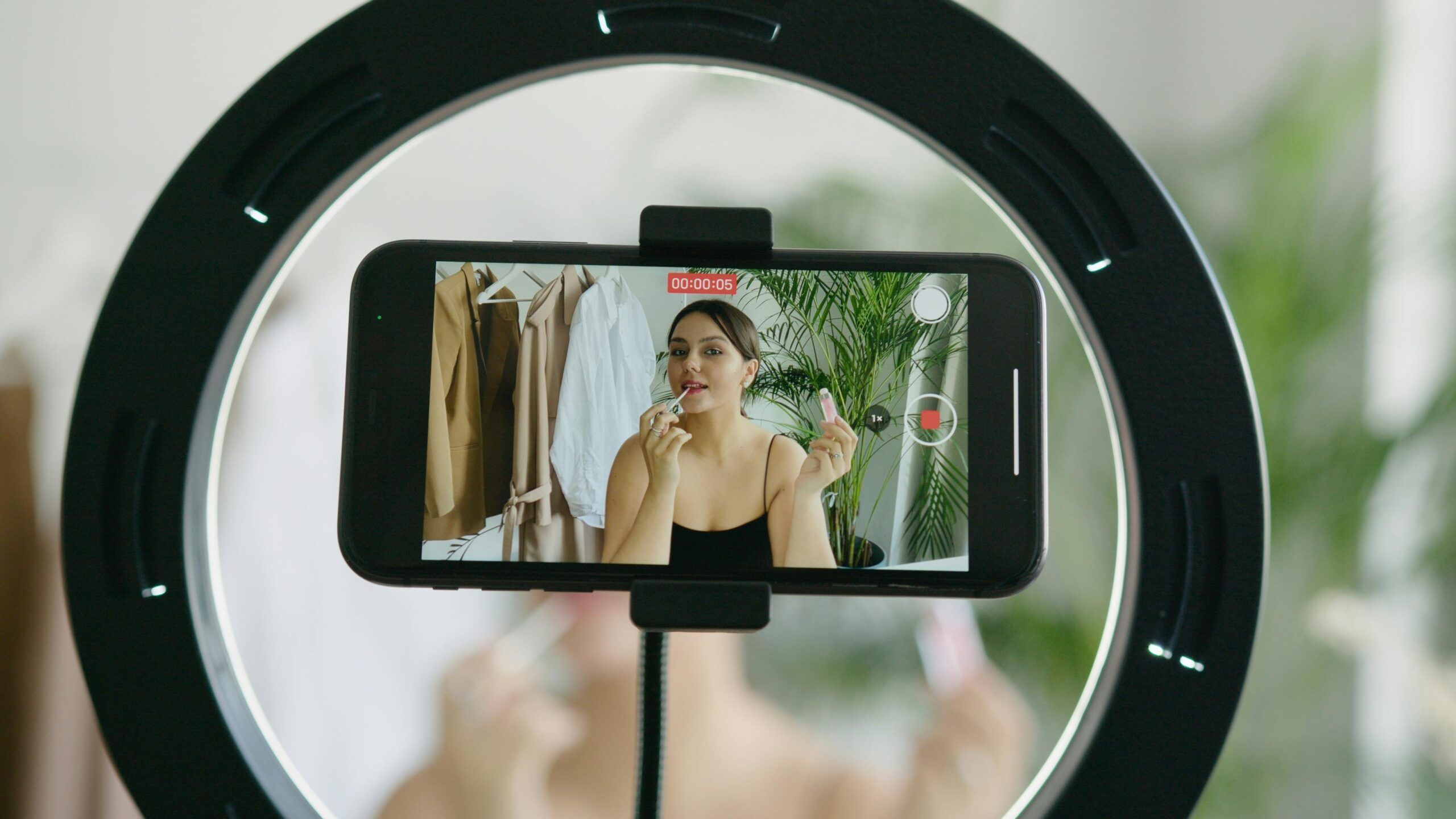
Only 1 in 5 influencers consistently disclose their advertising content on social media, says new Commission study |
More information: Council of the European Union
Publicaciones relacionadas:
 Additional obligations for Very Large Online Platforms kick in for Pornhub, Stripchat and XVideos under the DSA
 European Commission initiates second formal procedure against TikTok under the Digital Services Act
 Commission asks TikTok for more details on risk assessment of new TikTok Lite application recently launched in Spain
 European Commission initiates formal proceedings against Facebook and Instagram under the Digital Services Act
 Council agrees stronger press freedom and free speech protection
Leave a Reply