• Skip to primary navigation
  • Skip to main content
  • Skip to primary sidebar
  • Skip to footer
  • Bluesky
  • Facebook
  • Instagram
  • Twitter
  • YouTube
CDE Almería – Centro de Documentación Europea – Universidad de Almería

CDE Almería - Centro de Documentación Europea - Universidad de Almería

Centro de Documentación Europea de la Universidad de Almería

  • HOME
  • WHAT´S ON
    • EU NEWS
    • Activities
    • EU Calls and Awards
    • Radio Program «Europe with You»
  • DOCUMENTATION
    • EU Media Collection
      • Web Space
      • MEDIATHEQUE REPOSITORY
  • Europe on the net
    • Institutions
    • EU Representation in Spain
    • European information network of Andalusia
  • ABOUT US
    • Presentation
    • Services
    • People
    • Contact
  • Spanish
  • English

Council approves fishing rights for 2023

Inicio » EU News » Agriculture, Livestock Farming and Fisheries » Council approves fishing rights for 2023

13 de December de 2022

After two days of negotiations, agriculture and fisheries ministers reached a political agreement on fishing opportunities for 2023, taking into account the best available scientific advice, while respecting the aims of the common fisheries policy (CFP), and the EU’s multiannual plans for various sea basins.
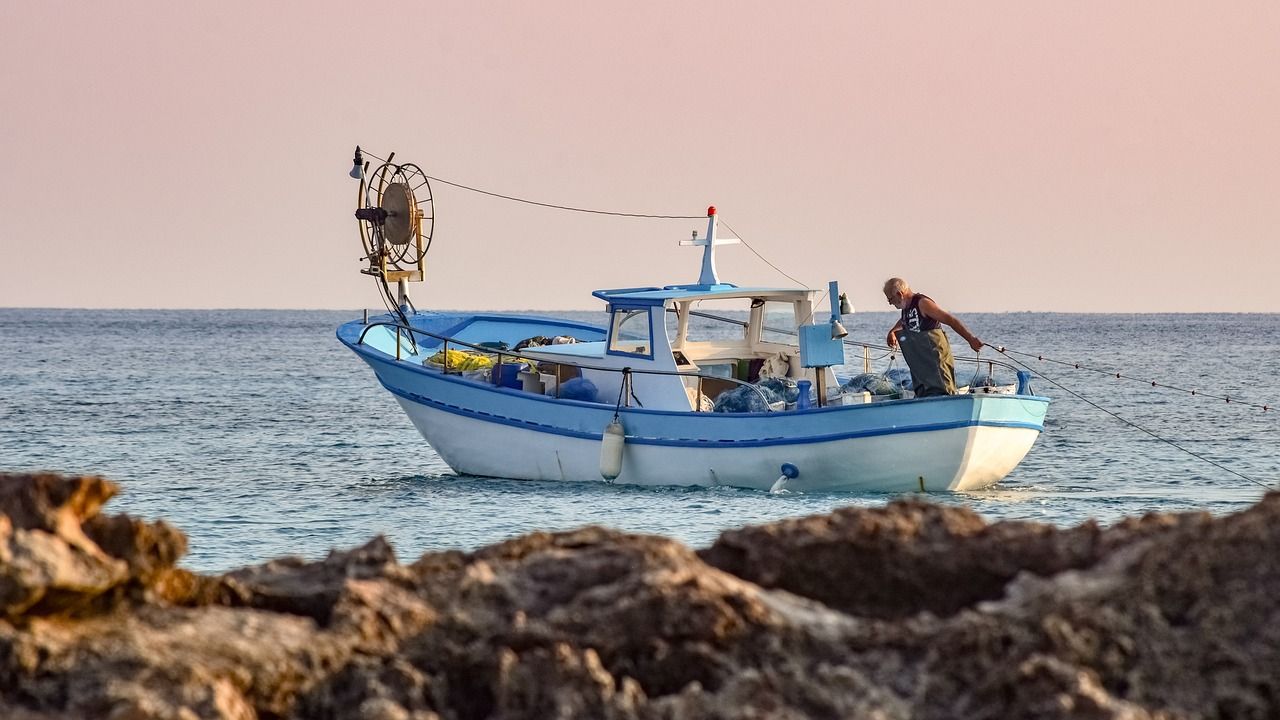
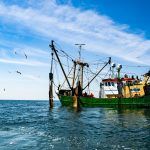
barco de pesca

This agreement sets catch limits for over 200 commercial fish stocks in the Atlantic, North Sea, Mediterranean and Black Sea, as well as for some deep-sea stocks for 2023 and 2024. On shared fish stocks with the UK, ministers agreed to set provisional quotas for the first three months of 2023, seeing as bilateral EU-UK and EU-NO consultations on shared fish stocks are still on-going.
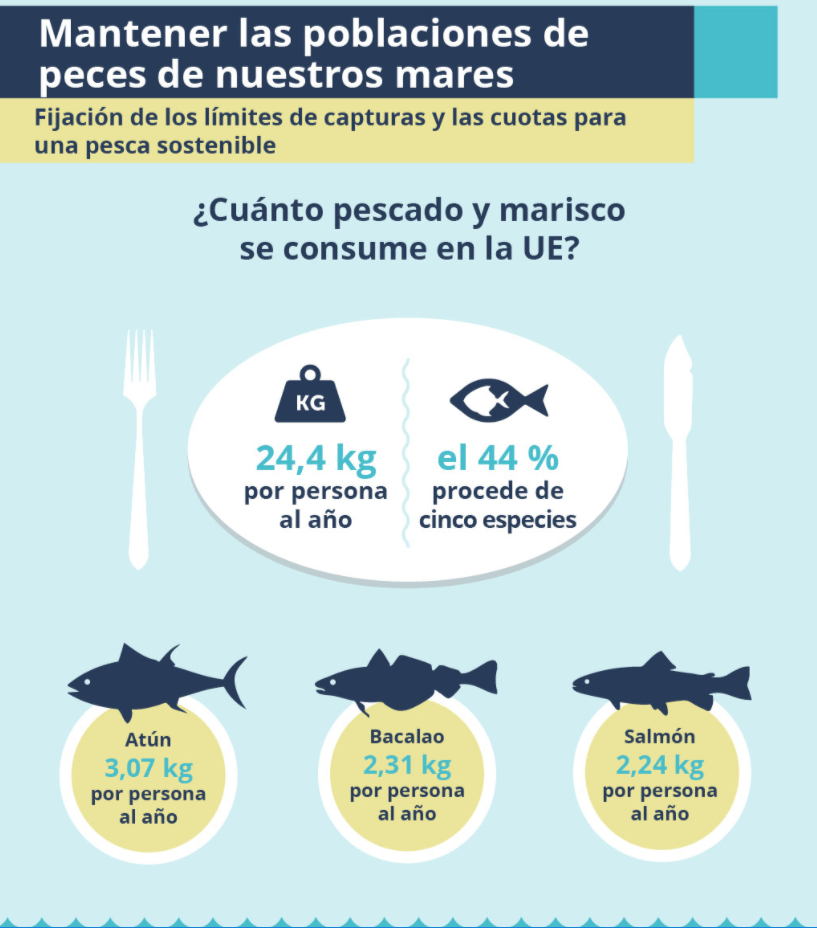
Infografía – Fijación de límites de capturas y cuotas

These provisional catch limits include a temporary roll-over of the existing fishing opportunities for the first three months with a 25% ratio to the TAC levels of this year, to cover the first quarter of 2023. For some fisheries where fishing takes place mainly in the first part of the year, this seasonality has been taken into account. This will ensure continuity for fishermen and sustainable fishing in the relevant areas, pending an agreement between the EU and the UK. Ministers agreed on a similar approach for stocks co-managed with Norway.

Spain achieves a good result in fisheries negotiations

Luis Planas, Minister of Agriculture Spain, explained that “in complicated circumstances, Spain has managed to increase catches and limit the reduction of fishing effort days”. In the Atlantic, very positive results have been achieved and in the Mediterranean “a tough battle has been fought. Despite the drastic cuts in the initial proposal, there have been improvements”, but “it is not positive for Spain. We voted against,” the minister assured.

The “marathon” Council of Ministers of Agriculture and Fisheries of the European Union (EU) that began in Brussels last Sunday to reach an agreement on total allowable catches (TACs) and quotas for 2023 in EU and non-EU waters; and the management of fishing effort in the Mediterranean has been closed in the early hours of Monday to Tuesday.
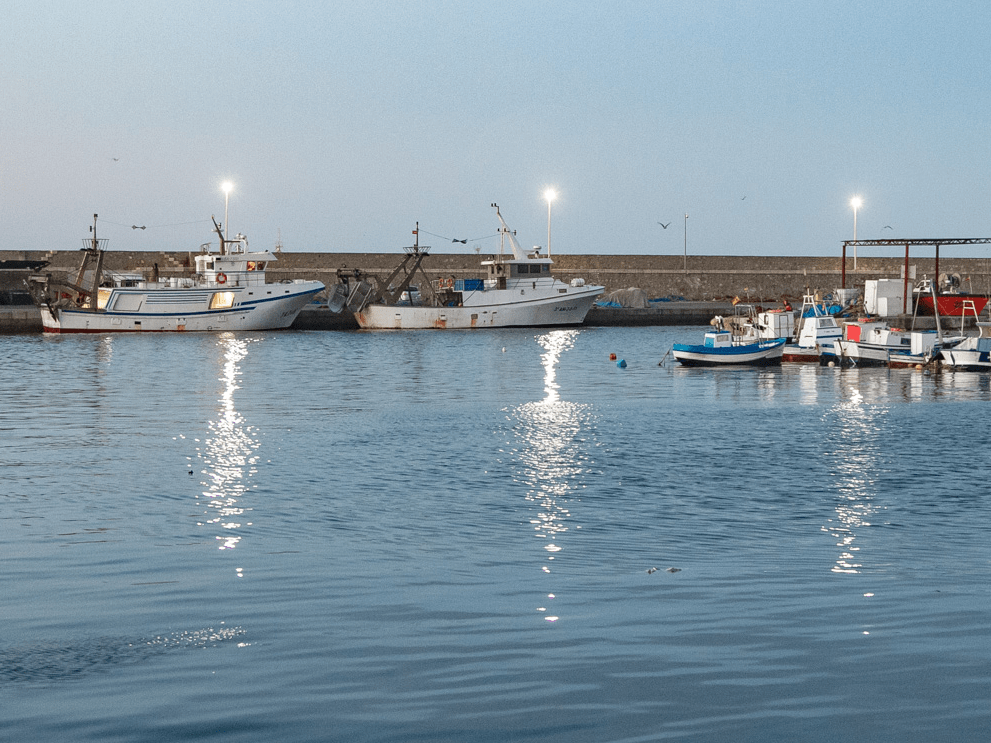
Spain will receive €1.12 billion from the European Maritime, Fisheries and Aquaculture Fund 2021-2027

In the Mediterranean, Spain has managed to improve the initial positions and reverse the cut in fishing days by half, from 7% to 3.5%, provided that the fleet adopts one of two compensations: to opt for measures to improve selectivity, with nets that improve the passage of juveniles, or to abide by a closure of 4 consecutive weeks. In addition, the longline closure has been eliminated, a fishery that does not require a greater reduction in fishing effort. The TAC for red shrimp has been reduced from 7% to 5%.

Planas has explained this vote against the proposal for the Mediterranean in the existence of a “fundamental discrepancy” with the European Commission on how to achieve the maximum sustainable yield provided for in the multiannual management plan for 2025. “The Commission wants to continue a schedule of reduction of fishing days, and we understand that this is not the right way, but that with the selection of gears we can achieve the same result and with less economic and social impact,” he explained. The minister recalled that by this route Spain managed to reach the maximum sustainable yield in the Atlantic fishing grounds in 2019, a year before it was mandatory.”

More infomation:

European Council

Spanish Ministry of Agriculture

Publicaciones relacionadas:

Council updates EU fishing rights for 2022 to reflect agreement with UK barcos de pesca en la orilla del marBaltic Sea fishing: Council agrees on 2021 catch limits Spanish team wins Farming by Satellite Prize 2020 Smart tech for more sustainable seas September infringement package: main decisions for Spain – Agriculture and Fisheries

Agriculture, Livestock Farming and Fisheries,  EU News Council,  fishing,  limits,  Spain

“This is a space for debate. All comments, for or against publication, that are respectful and do not contain expressions that are discriminatory, defamatory or contrary to current legislation will be published”.

Reader Interactions

Leave a Reply Cancel reply

Your email address will not be published. Required fields are marked *

This site uses Akismet to reduce spam. Learn how your comment data is processed.

Primary Sidebar

Footer

  • CDE Almería
  • Biblioteca Nicolás Salmerón – Universidad de Almería
  • Planta: 1ª, Despacho: 1.05.0B.
  • Ctra. Sacramento s/n. Almería (Spain)
  • Teléfono: (+34) 950 015266

HOME
NEWS
DOCUMENTATION
EUROPE ON THE NET
ABOUT US

  • LEGAL NOTICE
  • PRIVACY POLICY
  • COOKIE POLICY
  • ACCESSIBILITY
  • SITEMAP

Copyright © 2026 CDE Almería · Creative Commons LicenseThis work is licensed under a Creative Commons Attribution-NonCommercial 4.0 International License.

<p>El Centro de Documentación Europea de la Universidad de Almería utiliza cookies propias y de terceros para facilitar al usuario la navegación en su página Web y el acceso a los distintos contenidos alojados en la misma. Asimismo, se utilizan cookies analíticas de terceros para medir la interacción de los usuarios con el sitio Web. Pinche el siguiente enlace si desea información sobre el uso de cookies y como deshabilitarlas. </p>

Politica de privacidad

El Centro de Documentación Europea de la Universidad de Almería utiliza cookies propias y de terceros para facilitar al usuario la navegación en su página Web y el acceso a los distintos contenidos alojados en la misma. Asimismo, se utilizan cookies analíticas de terceros para medir la interacción de los usuarios con el sitio Web. Pinche el siguiente enlace si desea información sobre el uso de cookies y como deshabilitarlas. <a href="/politica-de-cookies" rel="noopener" target="_blank">Más información</a>

Cookies estrictamente necesarias

Las cookies estrictamente necesarias tiene que activarse siempre para que podamos guardar tus preferencias de ajustes de cookies.

Básicamente la web no funcionara bien si no las activas.

Estas cookies son:

  • Comprobación de inicio de sesión.
  • Cookies de seguridad.
  • Aceptación/rechazo previo de cookies.
Cookies de terceros

Esta web utiliza Google Analytics, Google Tag Manager y Yandex Metrika para recopilar información anónima tal como el número de visitantes del sitio, o las páginas más populares.

Dejar estas cookies activas nos permite mejorar nuestra web.

Política de cookies

Pinche el siguiente enlace si desea información sobre el uso de cookies y como deshabilitarlas. Más información