• Skip to primary navigation
  • Skip to main content
  • Skip to primary sidebar
  • Skip to footer
  • Bluesky
  • Facebook
  • Instagram
  • Twitter
  • YouTube
CDE Almería – Centro de Documentación Europea – Universidad de Almería

CDE Almería - Centro de Documentación Europea - Universidad de Almería

Centro de Documentación Europea de la Universidad de Almería

  • HOME
  • WHAT´S ON
    • EU NEWS
    • Activities
    • EU Calls and Awards
    • Radio Program «Europe with You»
  • DOCUMENTATION
    • EU Media Collection
      • Web Space
      • MEDIATHEQUE REPOSITORY
  • Europe on the net
    • Institutions
    • EU Representation in Spain
    • European information network of Andalusia
  • ABOUT US
    • Presentation
    • Services
    • People
    • Contact
  • Spanish
  • English

Council and Parliament reach agreement that will improve working conditions for platform workers

Inicio » EU News » Social Affairs » Labour Market and Employment » Council and Parliament reach agreement that will improve working conditions for platform workers

14 de December de 2023

The Council and the European Parliament have reached a provisional agreement on a proposed directive to improve working conditions for platform workers. 
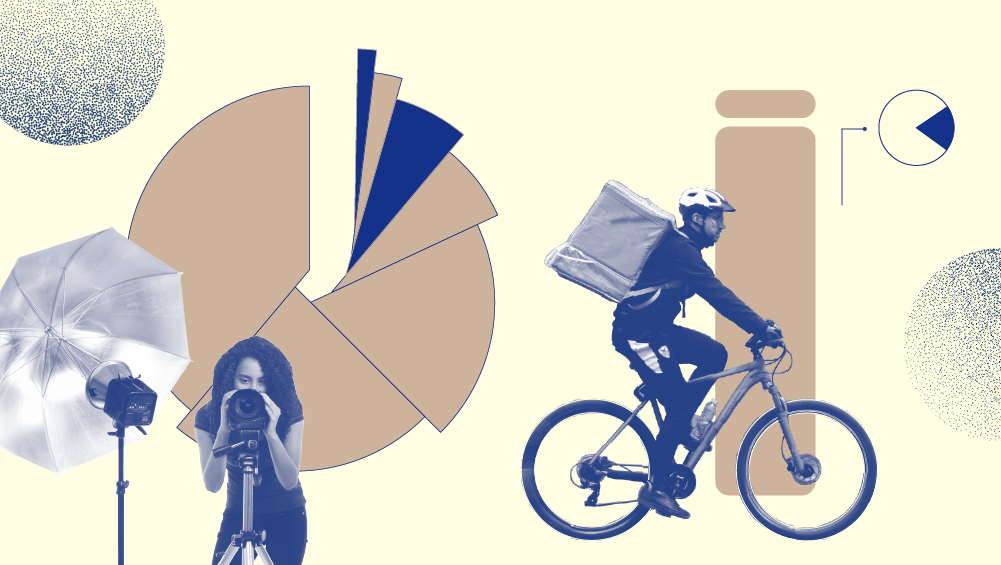
In the event that the deal struck is confirmed by both institutions before going through the formal adoption procedure, it will help millions of them gain access to employment rights.

The directive introduces two key improvements: it helps determine the correct employment status of people working for digital platforms and establishes the first EU rules on the use of algorithm systems in the workplace.

Correct classification of self-employed workers

Currently, the majority of the EU’s 28 million platform workers, including taxi drivers, domestic workers and food delivery drivers, are formally self-employed. Nevertheless, a number of them have to abide by many of the same rules and restrictions as an employed worker. This indicates that they are in fact in an employment relationship and should therefore enjoy the labour rights afforded to employees under national and EU law.

The provisional agreement reached with the Parliament addresses these cases of misclassification and eases the way for such workers to be reclassified as employees. Under the agreement, workers will be legally presumed to be employees of a digital platform (as opposed to self-employed) if their relationship with the platform fulfils at least two out of five indicators set out in the directive. These indicators include:

  • upper limits on the amount of money workers can receive
  • supervision of their performance, including by electronic means
  • control over the distribution or allocation of tasks
  • control over working conditions and restrictions on choosing working hours
  • restrictions on their freedom to organise their work and rules on their appearance or conduct

According to the agreed text, member states may add further indicators to this list as a matter of national law.

In cases where the legal presumption applies, it will be up to the digital platform to demonstrate that no employment relationship exists according to national law and practice.
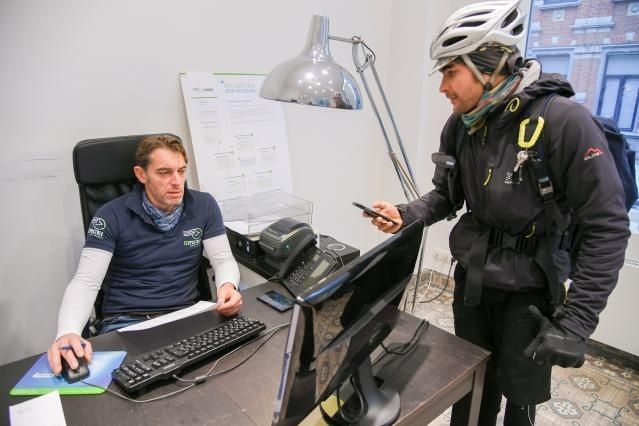
Europe improves working conditions on digital platforms

More transparent use of algorithms

Digital labour platforms regularly use algorithms for human resources management. As a result, platform workers are often faced with a lack of transparency on how decisions are taken and how personal data is used.

The deal reached with the Parliament ensures that workers are informed about the use of automated monitoring and decision-making systems. It also prevents digital labour platforms from processing certain kinds of personal data by means of automated monitoring or decision-making systems. Such data will include:

  • personal data on the emotional or psychological state of platform workers
  • data related to private conversations
  • data to predict actual or potential trade union activity
  • data used to infer a worker’s racial or ethnic origin, migration status, political opinions, religious beliefs or health status
  • biometric data, other than data used for authentication

Under the new rules, these systems need to be monitored by qualified staff, who enjoy special protection from adverse treatment. Human oversight is also guaranteed for significant decisions such as the suspension of accounts.

Next steps

The provisional agreement will now have to be endorsed by the Council and the Parliament. It will then be formally adopted by both institutions following legal-linguistic revision. After the formal steps of the adoption have been completed, member states will have two years to incorporate the provisions of the directive into their national legislation.

More information: Council of the European Union

Publicaciones relacionadas:

Coronavirus: seasonal workers included in new guidelines to ensure free movement of critical workers SURE: Questions and answers peones de ajedrez en grupo y peón solitarioJudgment of the CJEU on homophobic discrimination in the workplace EUROPEAN AGENDA: tourism and transport Working parents with young children in the EU

EU News,  Labour Market and Employment,  Social Affairs correct employment status,  deal,  platform workers,  rights,  Working conditions

“This is a space for debate. All comments, for or against publication, that are respectful and do not contain expressions that are discriminatory, defamatory or contrary to current legislation will be published”.

Reader Interactions

Leave a Reply Cancel reply

Your email address will not be published. Required fields are marked *

This site uses Akismet to reduce spam. Learn how your comment data is processed.

Primary Sidebar

Footer

  • CDE Almería
  • Biblioteca Nicolás Salmerón – Universidad de Almería
  • Planta: 1ª, Despacho: 1.05.0B.
  • Ctra. Sacramento s/n. Almería (Spain)
  • Teléfono: (+34) 950 015266

HOME
NEWS
DOCUMENTATION
EUROPE ON THE NET
ABOUT US

  • LEGAL NOTICE
  • PRIVACY POLICY
  • COOKIE POLICY
  • ACCESSIBILITY
  • SITEMAP

Copyright © 2026 CDE Almería · Creative Commons LicenseThis work is licensed under a Creative Commons Attribution-NonCommercial 4.0 International License.

<p>El Centro de Documentación Europea de la Universidad de Almería utiliza cookies propias y de terceros para facilitar al usuario la navegación en su página Web y el acceso a los distintos contenidos alojados en la misma. Asimismo, se utilizan cookies analíticas de terceros para medir la interacción de los usuarios con el sitio Web. Pinche el siguiente enlace si desea información sobre el uso de cookies y como deshabilitarlas. </p>

Politica de privacidad

El Centro de Documentación Europea de la Universidad de Almería utiliza cookies propias y de terceros para facilitar al usuario la navegación en su página Web y el acceso a los distintos contenidos alojados en la misma. Asimismo, se utilizan cookies analíticas de terceros para medir la interacción de los usuarios con el sitio Web. Pinche el siguiente enlace si desea información sobre el uso de cookies y como deshabilitarlas. <a href="/politica-de-cookies" rel="noopener" target="_blank">Más información</a>

Cookies estrictamente necesarias

Las cookies estrictamente necesarias tiene que activarse siempre para que podamos guardar tus preferencias de ajustes de cookies.

Básicamente la web no funcionara bien si no las activas.

Estas cookies son:

  • Comprobación de inicio de sesión.
  • Cookies de seguridad.
  • Aceptación/rechazo previo de cookies.
Cookies de terceros

Esta web utiliza Google Analytics, Google Tag Manager y Yandex Metrika para recopilar información anónima tal como el número de visitantes del sitio, o las páginas más populares.

Dejar estas cookies activas nos permite mejorar nuestra web.

Política de cookies

Pinche el siguiente enlace si desea información sobre el uso de cookies y como deshabilitarlas. Más información