
Council and Parliament negotiators reached a provisional deal aimed at strengthening geographical indications (GIs) and other quality schemes for wine, spirit drinks and agricultural products and improving their uptake across the EU. The deal will bring tangible benefits to the rural economy and it will safeguard the EU’s gastronomic heritage across the world.

Geographical indications showcase the very best of our rich European gastronomic tradition. The deal we reached today will help increase the uptake of GIs throughout Europe, it will strengthen their protection, especially online, and it will contribute to upholding the excellent reputation that European products have on global markets.
Luis Planas Puchades, Acting Minister for Agriculture, Fisheries and Food of Spain
What has been agreed
The revised rules will improve the existing system thanks to:
- a simplified and more efficient registration procedure. This will shorten the waiting time between the application and the actual registration of the GI
- greater protection of geographical indications, including online, in domain names that contain geographical indications. This will be done through geo-blocking and will be in line with the Digital Services Act
- a reinforced role for producer groups. Member states will be able to designate producer groups as recognised producer groups with enhanced powers and responsibilities. The agreement reached seeks to maintain the existing provisions on recognised producer groups in some member states, while leaving it voluntary for the other member states to set up a recognition system
- a greater emphasis on sustainability. For agricultural products and wines, producer groups will be able to agree on sustainability practices that go beyond Union or national standards. If they wish to, producer groups could showcase those practices in sustainability reports
- the inclusion of certain provisions related to wine that are currently covered by the Common Market Organisation (CMO) regulation in the scope of the new regulation
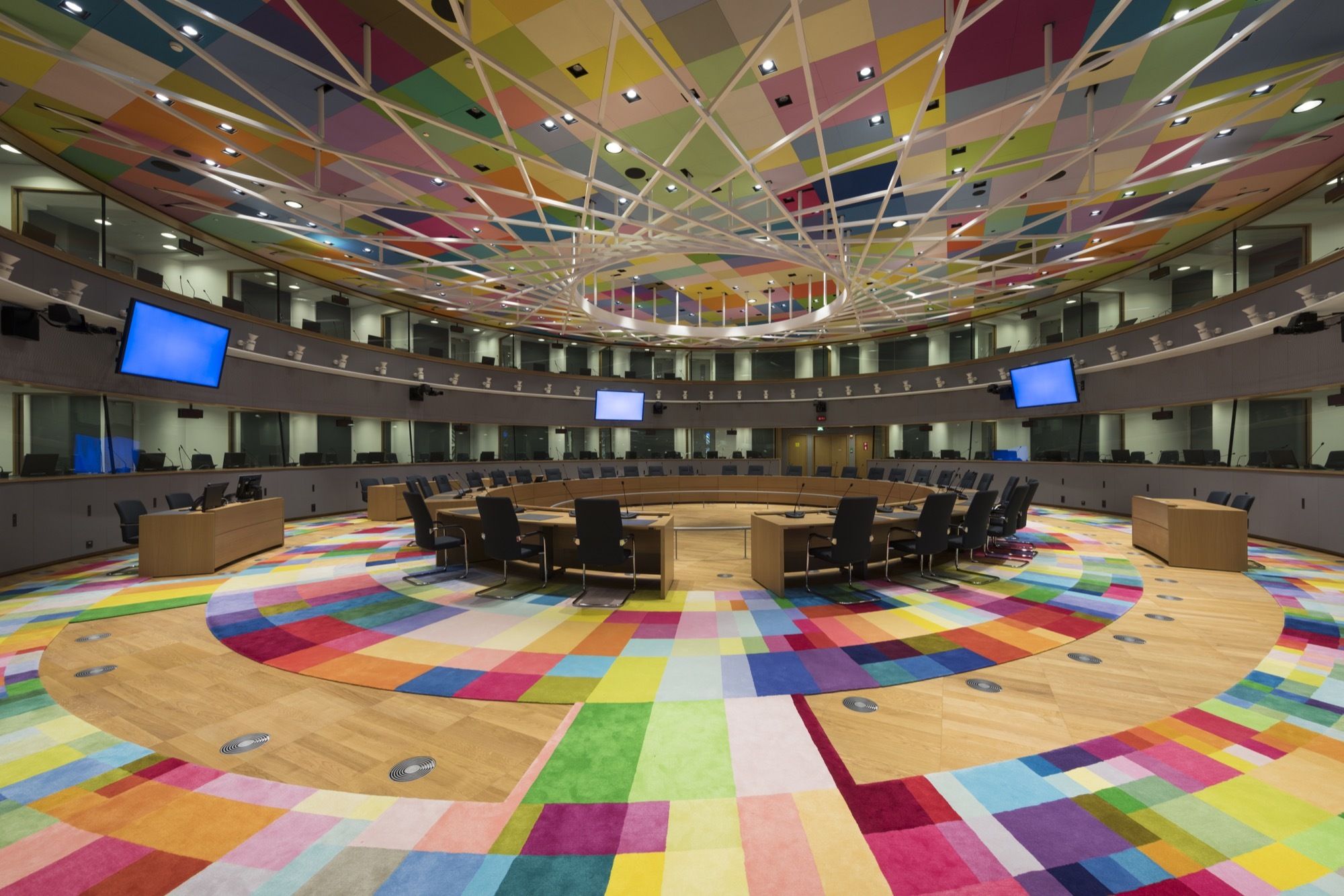
The European Union will extend geographical indications to artisanal and industrial products
|
The deal also offers protection in the case of GIs that are ingredients in prepacked food. In order to use the name of a GI when it is an ingredient in prepacked food, for instance on the labelling or in advertising material, producers will need to notify the relevant recognised producer group beforehand.
Next steps
Technical work will continue in order to complete the legal text in accordance with the provisional agreement. When finalised, the text will be submitted to the member states’ representatives in the Special Committee on Agriculture (SCA) for endorsement. Subject to a legal/linguistic review, the regulation will then need to be formally adopted by the Parliament and the Council before it can be published in the EU’s Official Journal and enter into force.
SOURCE: PRESS RELEASE – COUNCIL OF THE EU
Publicaciones relacionadas:
 The CJEU partially annuls the Commission’s decision on the “Spanish tax lease system”.
 Enhancing EU resilience: A step forward to identify critical entities for key sectors
 International Women’s Day 2020: Beijing Declaration 25 years after
 COVID-19: EU emergency measures to help farmers and fishermen
 Schengen, migration, asylum and security in times of COVID-19
Leave a Reply