• Skip to primary navigation
  • Skip to main content
  • Skip to primary sidebar
  • Skip to footer
  • Bluesky
  • Facebook
  • Instagram
  • Twitter
  • YouTube
CDE Almería – Centro de Documentación Europea – Universidad de Almería

CDE Almería - Centro de Documentación Europea - Universidad de Almería

Centro de Documentación Europea de la Universidad de Almería

  • HOME
  • WHAT´S ON
    • EU NEWS
    • Activities
    • EU Calls and Awards
    • Radio Program «Europe with You»
  • DOCUMENTATION
    • EU Media Collection
      • Web Space
      • MEDIATHEQUE REPOSITORY
  • Europe on the net
    • Institutions
    • EU Representation in Spain
    • European information network of Andalusia
  • ABOUT US
    • Presentation
    • Services
    • People
    • Contact
  • Spanish
  • English

Commission welcomes G7 leaders’ agreement on Guiding Principles and a Code of Conduct on Artificial Intelligence

Inicio » Noticias UE » Defensa y Seguridad » Ciberseguridad » Commission welcomes G7 leaders’ agreement on Guiding Principles and a Code of Conduct on Artificial Intelligence

3 de November de 2023

The Commission welcomes the agreementon 30th October by G7 leaders on International Guiding Principles on Artificial Intelligence (AI) and a voluntary Code of Conduct for AI developers under the Hiroshima AI process.
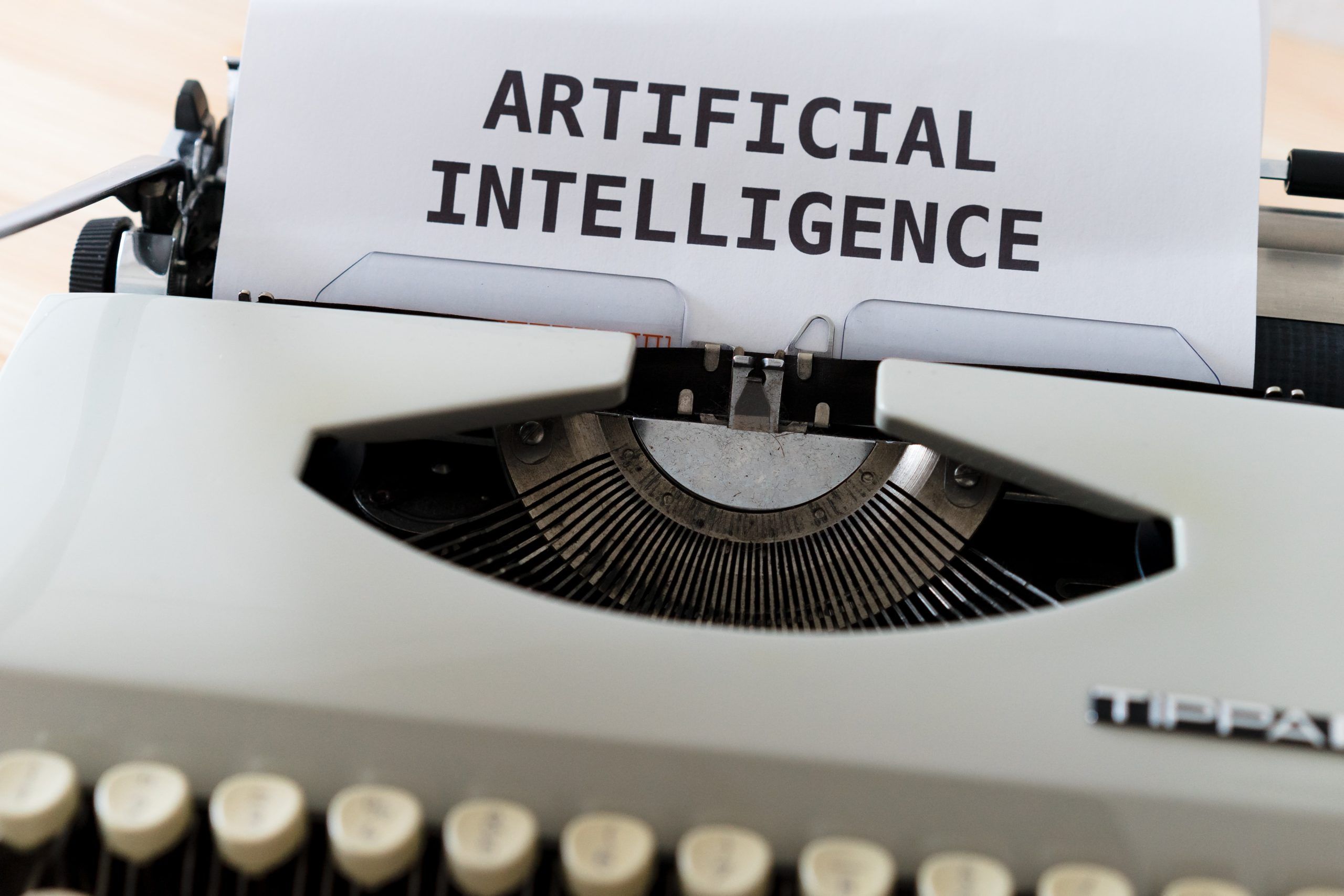
These principles and the voluntary Code of Conduct will complement, at international level, the legally binding rules that the EU co-legislators are currently finalising under the EU AI Act. President of the European Commission, Ursula von der Leyen, was among those who subscribed to the G7 leaders’ statement issued by the 2023 Japan G7 presidency.

President von der Leyen, said: “The potential benefits of Artificial Intelligence for citizens and the economy are huge. However, the acceleration in the capacity of AI also brings new challenges. Already a regulatory frontrunner with the AI Act, the EU is also contributing to AI guardrails and governance at global level. I am pleased to welcome the G7 international Guiding Principles and the voluntary Code of Conduct, reflecting EU values to promote trustworthy AI. I call on AI developers to sign and implement this Code of Conduct as soon as possible.”

EU Elections at Risk with Rise of AI-Enabled Information Manipulation

Ensuring safety and trustworthiness of the technology

The eleven Guiding Principles adopted by the leaders of the seven countries and the EU, which make up the G7, provide guidance for organisations developing, deploying and using advanced AI systems, such as foundation models and generative AI, to promote safety and trustworthiness of the technology. They include commitments to mitigate risks and misuse and identify vulnerabilities, to encourage responsible information sharing, reporting of incidents, and investment in cybersecurity as well as a labelling system to enable users to identify AI-generated content.

Informed by the results of a stakeholder survey, these principles have been jointly developed by the EU with the other G7 members, under the Hiroshima Artificial Intelligence Process. The Guiding Principles have in turn served as the basis to compile a Code of Conduct, which will provide detailed and practical guidance for organisations developing AI. The voluntary Code of Conduct will also promote responsible governance of AI globally. Both documents will be reviewed and updated as necessary, including through inclusive multistakeholder consultations, to ensure they remain fit for purpose and responsive to this rapidly evolving technology. The G7 leaders have called on organisations developing advanced AI systems to commit to the application of the International Code of Conduct. The first signatories will be announced in the near future.

SOURCE: Press release – European Commission

Publicaciones relacionadas:

Intensified judicial response to serious cross-border crimes Smuggling Network Connected to four deaths at sea dismantled in Spain Afghanistan: EU’s position and next steps gente manifestándose en IránEU adopts further restrictive measures against human rights violations in Iran Standing with Ukraine for as long as it takes

Cybersecurity,  Defence & Security,  EU News,  Institutional Affairs,  International Politics and Cooperation,  International Safety and Defence Politics artificial intelligence,  G7,  International Cooperation,  voluntary Code of Conduct for AI developers

“This is a space for debate. All comments, for or against publication, that are respectful and do not contain expressions that are discriminatory, defamatory or contrary to current legislation will be published”.

Reader Interactions

Leave a Reply Cancel reply

Your email address will not be published. Required fields are marked *

This site uses Akismet to reduce spam. Learn how your comment data is processed.

Primary Sidebar

Footer

  • CDE Almería
  • Biblioteca Nicolás Salmerón – Universidad de Almería
  • Planta: 1ª, Despacho: 1.05.0B.
  • Ctra. Sacramento s/n. Almería (Spain)
  • Teléfono: (+34) 950 015266

HOME
NEWS
DOCUMENTATION
EUROPE ON THE NET
ABOUT US

  • LEGAL NOTICE
  • PRIVACY POLICY
  • COOKIE POLICY
  • ACCESSIBILITY
  • SITEMAP

Copyright © 2026 CDE Almería · Creative Commons LicenseThis work is licensed under a Creative Commons Attribution-NonCommercial 4.0 International License.

<p>El Centro de Documentación Europea de la Universidad de Almería utiliza cookies propias y de terceros para facilitar al usuario la navegación en su página Web y el acceso a los distintos contenidos alojados en la misma. Asimismo, se utilizan cookies analíticas de terceros para medir la interacción de los usuarios con el sitio Web. Pinche el siguiente enlace si desea información sobre el uso de cookies y como deshabilitarlas. </p>

Politica de privacidad

El Centro de Documentación Europea de la Universidad de Almería utiliza cookies propias y de terceros para facilitar al usuario la navegación en su página Web y el acceso a los distintos contenidos alojados en la misma. Asimismo, se utilizan cookies analíticas de terceros para medir la interacción de los usuarios con el sitio Web. Pinche el siguiente enlace si desea información sobre el uso de cookies y como deshabilitarlas. <a href="/politica-de-cookies" rel="noopener" target="_blank">Más información</a>

Cookies estrictamente necesarias

Las cookies estrictamente necesarias tiene que activarse siempre para que podamos guardar tus preferencias de ajustes de cookies.

Básicamente la web no funcionara bien si no las activas.

Estas cookies son:

  • Comprobación de inicio de sesión.
  • Cookies de seguridad.
  • Aceptación/rechazo previo de cookies.
Cookies de terceros

Esta web utiliza Google Analytics, Google Tag Manager y Yandex Metrika para recopilar información anónima tal como el número de visitantes del sitio, o las páginas más populares.

Dejar estas cookies activas nos permite mejorar nuestra web.

Política de cookies

Pinche el siguiente enlace si desea información sobre el uso de cookies y como deshabilitarlas. Más información