
The European Commission has adopted a comprehensive strategy to step up support for the EU eastern regions bordering Russia, Belarus and Ukraine. Strengthening the prosperity and resilience of these regions is not only an expression of EU solidarity in the wake of Russia’s invasion of Ukraine, but also a strategic investment in Europe’s security, competitiveness, and future stability.
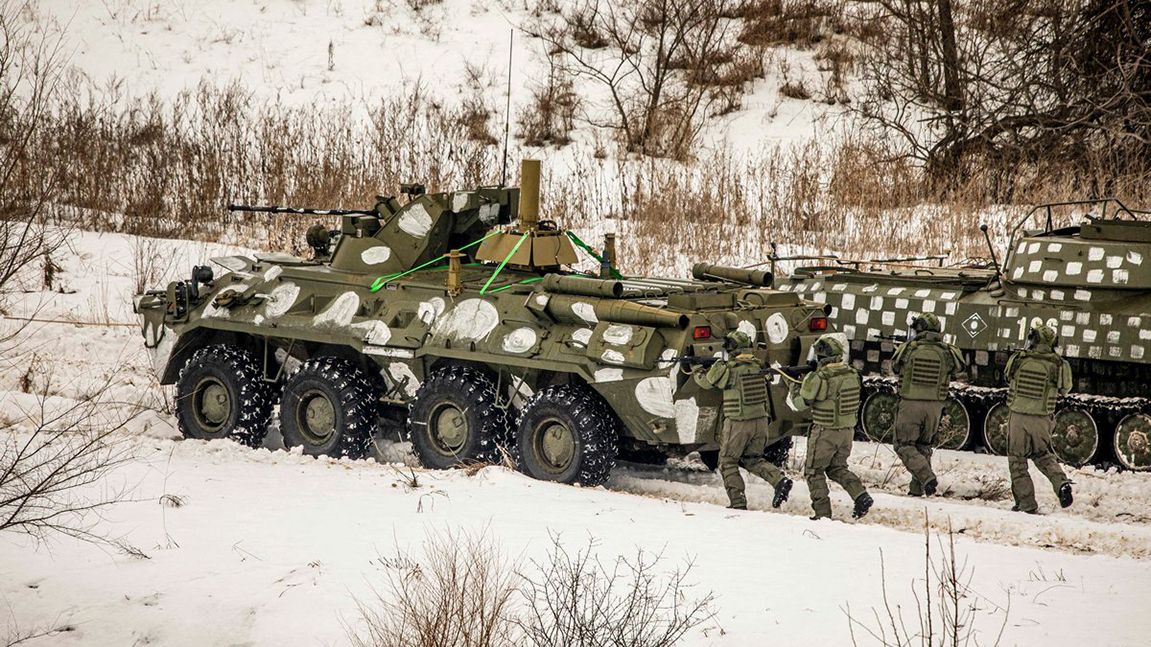
Several regions from nine Member States – Finland, Estonia, Latvia, Lithuania, Poland, Slovakia, Hungary, Romania and Bulgaria – have been particularly affected by hybrid warfare, weaponised migration, economic and trade disruption, and demographic decline.
Since the outset of Russia’s war against Ukraine, the EU has extended political, technical, and financial support to its eastern regions to improve infrastructure, boost economic resilience, develop defence capabilities, address challenges in energy and connectivity, and support employment opportunities. Additionally, the EU–Ukraine Solidarity Lanes have sustained trade. Nonetheless, as the economic and security conditions in these regions continue to decline due to the ongoing war, further EU support is needed.
Five priority areas
Today’s Communication confirms the Commission’s commitment to continue supporting the eastern regions bordering Russia, Belarus and Ukraine. It presents a set of actions to help them address the specific and unprecedented challenges they face, across five priority areas:
Security and resilience
- Developing the Eastern Flank Watch, the European Drone Defence initiative, the European Air Shield and the European Space Shield.
- Creating a network of practitioners to enhance preparedness and encourage cross border resilience cluster cooperation.
Growth and regional prosperity
- Facilitating access to funding, including through an EastInvest facility to help concerned countries access lending and advisory support, bringing together the European Investment Bank Group, other international financial institutions and several national and regional promotional banks.
- Cooperating with the World Bank under the Catching-up Regions Initiative to boost economic development in the most affected areas.
Building on local strengths
- Prioritising the Baltic States’ electricity integration with European networks and developing cross-border hydrogen infrastructure such as the Nordic-Baltic Hydrogen Corridor.
- Supporting circular-industry initiatives, including industrial symbiosis valleys and regional bioeconomy hubs.
Connectivity
- Promoting digital connectivity and upgrading transport networks, including dual-use roads, rail, and port infrastructure as well as cross border connections with Ukraine and Moldova.
People
- Addressing depopulation and labour shortages through education-to-employment pathways and strengthening the communities through the Media Resilience Programme and the fight against disinformation.
Next steps
To ensure progress, the Commission will initiate an annual high-level political dialogue facilitating discussion on the EU’s actions and their impact on the resilience and development of EU eastern regions bordering Russia, Belarus and Ukraine. The first such event will take place on 26 February 2026, when a declaration launching the EastInvest Facility will be signed by financial institutions.
Background
Following Russia’s war of aggression, Member States bordering Russia, Belarus and Ukraine have experienced slower growth, decline in investment, depopulation, labour shortages, and higher security costs.
The Mid-Term Review of Cohesion Policy in 2025 was a first step in recognising and addressing the needs and challenges of these regions by offering them extra resources.
The proposals for the next EU budget (2028-2034) dedicate resources specifically for the Eastern border regions in the National and Regional Partnership Plans.
For more information: European Commission
Publicaciones relacionadas:
 EU launches the Support Hub for Internal Security and Border Management in Moldova
 EIF invests €40 million in European defence and security tech fund under InvestEU
 EU backs reinforced Europol role on migrant smuggling and trafficking
Commission hails deal on Defence Mini-Omnibus and potential Ukraine participation in EU Defence Fund
EU backs reinforced Europol role on migrant smuggling and trafficking
Commission hails deal on Defence Mini-Omnibus and potential Ukraine participation in EU Defence Fund
 Commission approves first wave of defence funding for eight Member States under SAFE
Leave a Reply