
On March 28, the European Commission is proposing a range of measures to ensure Europe’s wine sector remains competitive, resilient, and a vital economic force in the decades to come.
The sector is facing several challenges like shifting consumer trends, climate change and market uncertainties.
The Commission’s proposal introduces targeted measures to help the sector manage production potential, adapt to evolving consumer preferences, and unlock new market opportunities. These measures will also help maintain the vitality of many rural areas which depend on jobs in the wine industry and preserve the EU wine sector’s social relevance.
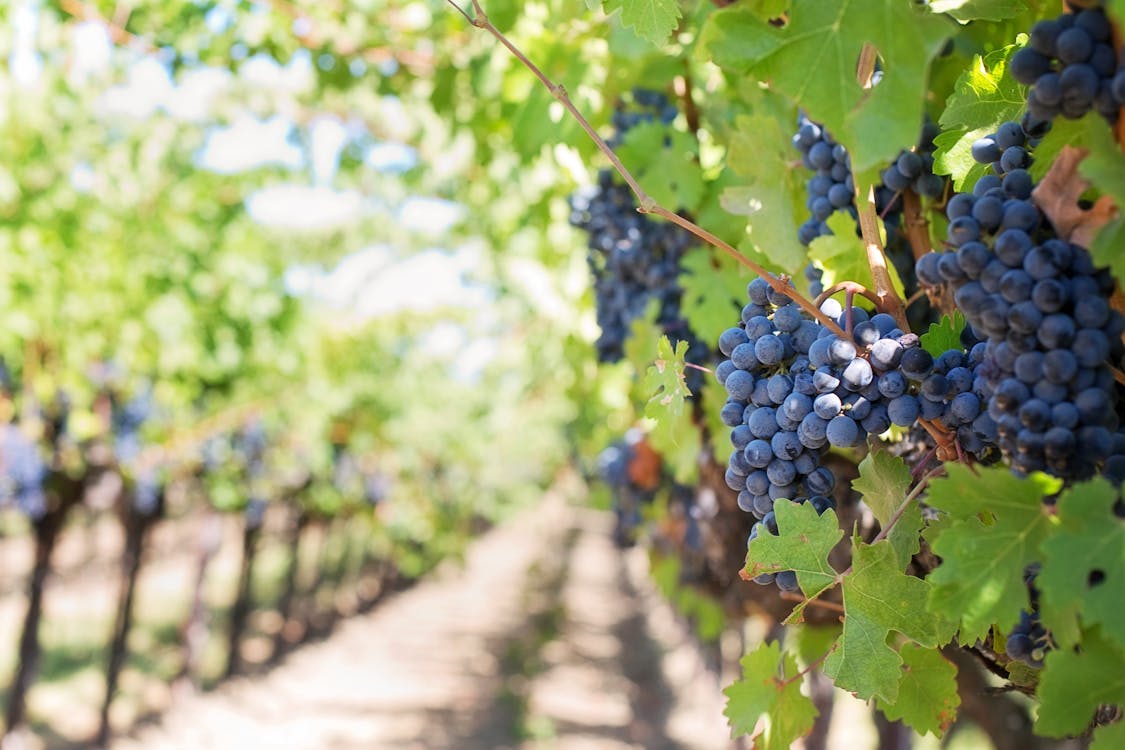
Key changes to the wine policy framework
- Surplus prevention: Member States will be empowered to take action, such as grubbing-up (removing unwanted or excess vines) and green harvesting (removing unripe grapes before harvest), to prevent surplus production, help stabilise the market and protect producers from financial strain.
- Planting flexibility: Producers will be allowed additional flexibility on the replanting authorisations scheme. This will help them taking their investment decision in the current changing context. Member States will also be allowed to better calibrate the planting authorisations to their national and regional needs.
- Climate support: The sector will receive stronger support to become more resilient to climate change. Member States can increase the maximum Union financial assistance up to 80% of the eligible investment costs for investments aimed at climate change mitigation and adaptation.
- Clear marketing rules: Marketing of innovative products will be easier, with clearer rules and common product denominations for lower alcohol wine products across the single market.
- Harmonised labelling: Operators will benefit from a more harmonised approach to wine labelling, reducing costs and simplifying trade across EU borders while providing consumers with easy access to information.
- Boosted wine tourism: Producer groups managing wine protected under geographical indications will receive assistance to develop wine-related tourism, helping to boost economic development in rural areas.
- Extended promotion: The duration of EU-funded promotional campaigns for market consolidation in third countries will be extended from 3 to 5 years to ensure better promotion of European wines.
Background
The EU wine sector is a cornerstone of Europe’s cultural and economic fabric. Representing 60% of global wine production and 60% of the world’s exported wine value, the sector plays a vital role in rural economies and is closely linked to European traditions, gastronomy, and tourism. While the EU wine policy has been highly successful in protecting the qualities and promoting EU wines, ongoing demographic shifts, changing consumption patterns, climate challenges and market uncertainties are straining the sector.
To address these challenges, the High-Level Group on Wine Policy (HLG) was established to discuss the sector’s needs and propose solutions together with the sector and Member States. At the European Parliament’s Committee on Agriculture and Rural Development meeting on 11 February 2025, Commissioner Christophe Hansen announced the upcoming proposal on wine, designed to translate the HLG’s recommendations into concrete legislative action. Today’s proposal marks the fulfilment of that commitment.
Once adopted, the new framework will allow for swift action, ensuring more opportunities for producers, while securing the future of a competitive wine sector across the Union.
More information: European Commission
Publicaciones relacionadas:
 EU Commission to spend €186 million promoting agri-food products in and outside EU in 2024
 Commission proposes to allow EU farmers to derogate for one year from certain agricultural rules
 Study confirms that EU trade opens new commercial opportunities for EU agri-food exporters
 Commission allocates €77 million in emergency support to farmers in Austria, Czechia, Poland and Portugal
 Agriculture: Commission approves new geographical indication for Spain
Leave a Reply