• Skip to primary navigation
  • Skip to main content
  • Skip to primary sidebar
  • Skip to footer
  • Bluesky
  • Facebook
  • Instagram
  • Twitter
  • YouTube
CDE Almería – Centro de Documentación Europea – Universidad de Almería

CDE Almería - Centro de Documentación Europea - Universidad de Almería

Centro de Documentación Europea de la Universidad de Almería

  • HOME
  • WHAT´S ON
    • EU NEWS
    • Activities
    • EU Calls and Awards
    • Radio Program «Europe with You»
  • DOCUMENTATION
    • EU Media Collection
      • Web Space
      • MEDIATHEQUE REPOSITORY
  • Europe on the net
    • Institutions
    • EU Representation in Spain
    • European information network of Andalusia
  • ABOUT US
    • Presentation
    • Services
    • People
    • Contact
  • Spanish
  • English

Commission reports on overall progress on the Security Union

Inicio » Noticias UE » Defensa y Seguridad » International Safety and Defence Politics » Commission reports on overall progress on the Security Union

20 de May de 2024

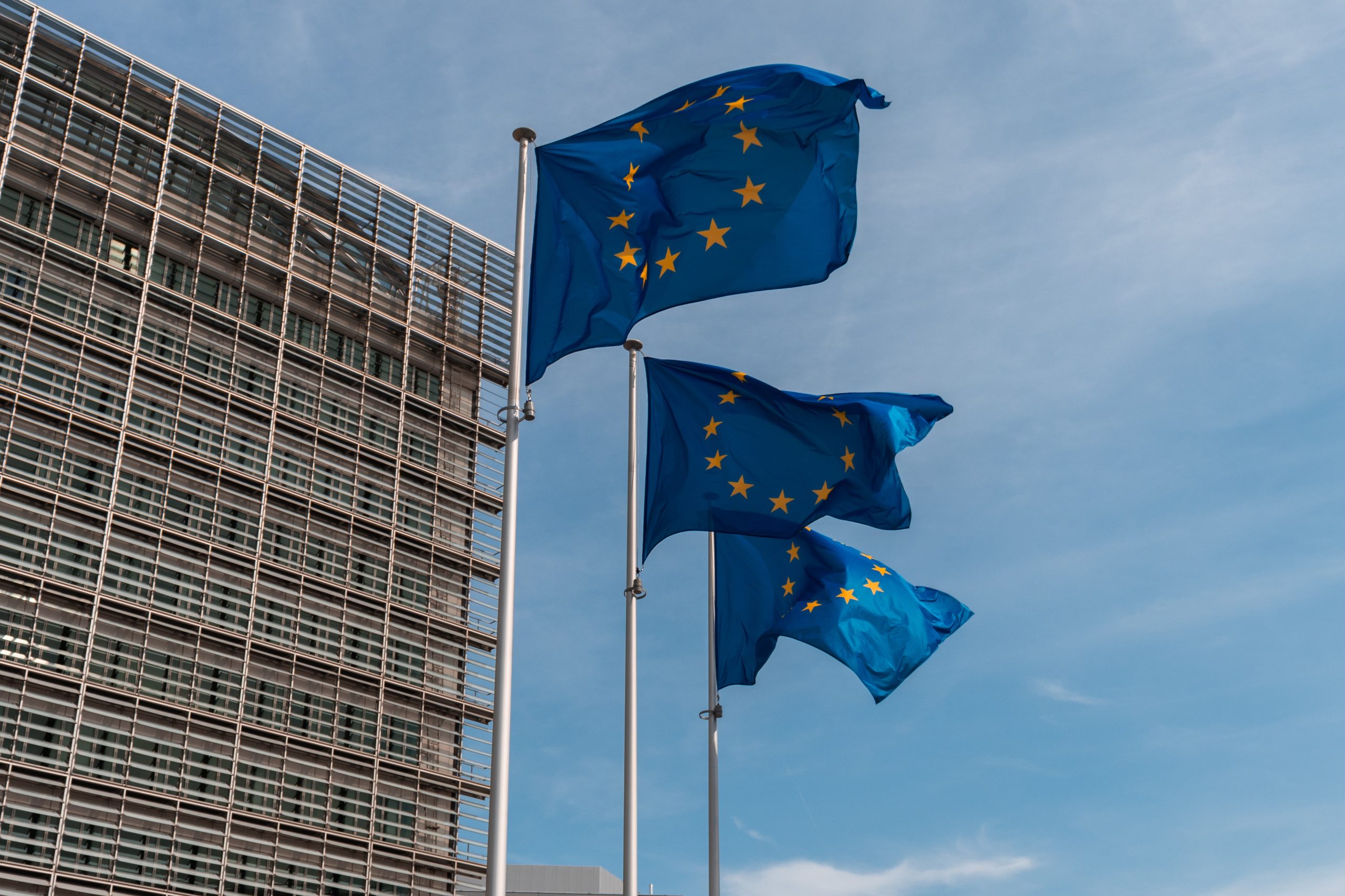
The Commission adopted the Seventh Progress Report on the implementation of the EU Security Union Strategy for 2020-2025.
banderas ue

The report provides an overview of the implementation of the Security Union Strategy since its adoption in 2020. It takes stock of progress and achievements in 5 key areas: protecting the EU’s physical and digital infrastructure; fighting terrorism and radicalisation; fighting organised crime; strengthening law enforcement and judicial cooperation; and cooperation with international partners.

The Commission has delivered on all commitments under the Security Union Strategy and has incorporated new initiatives to respond to emerging and evolving security challenges over the years. Four years into its implementation, the Strategy has consolidated the EU’s security toolbox and now provides a powerful foundation for the protection of Europeans in the future.

In detail:

  1. Strengthening the EU’s physical and digital infrastructure

The increase of hybrid attacks against critical infrastructure in the EU has highlighted the need to step up their protection and resilience to prevent or mitigate the impact of disruptions of the essential services they underpin. Since 2020, the Commission has proposed new horizontal rules to strengthen the EU’s critical infrastructure both online and offline across a wider range of sectors, the Directive on the Resilience of Critical Entities and the Directive on Network and Information Security (NIS II), which both entered into force in January 2023. The Commission has also taken a number of actions at sectoral level to enhance the resilience of critical infrastructure, including in the energy, transport, maritime security, connectivity, climate, space, finance, and health sectors.

In the face of the rise of cyberattacks over recent years, the Commission has taken significant steps to enhance the cybersecurity in Member States as well as of EU institutions, bodies, offices and agencies, reinforce the security of supply chains and products, and boost cyber incident detection and response capacities at EU level. These include the Cyber Resilience Act, which will ensure that hardware and software products are cybersecure by design, and the Cyber Solidarity Act, which will strengthen capacities in the EU to detect, prepare for and respond to significant and large-scale cybersecurity threats and attacks.

  1. Fighting terrorism and radicalisation

Throughout this Commission’s mandate, fighting terrorism has been a priority of the EU Security Union Strategy for 2020-2025 and the implementation of the 2020 EU Agenda on Counter-Terrorism is well on track. The Commission has taken action to counter terrorism in all its forms: from preventing radicalisation online and offline, to supporting Member States in the protection of public spaces and reducing terrorists’ access to weapons and financing.

To prevent radicalisation, the Commission has supported Member States through the Radicalisation Awareness Network and put new legal instruments in place to shield citizens from harmful extremist and terrorist content online and offline. With the Terrorist Content Online Regulation, platforms must remove terrorist content within one hour. In addition, the Commission continues to work with tech companies in the EU Internet Forum to address the exploitation of the net by violent extremists and terrorists.

To deny terrorists the means to perform attacks, legislation adopted in 2021 limits accessibility to explosive precursors used to produce explosives. The Commission also supports Member States in protecting public spaces, through the EU Protective Security Advisors Programme and with over EUR 30 million in funding from the Internal Security Fund since 2020 to protect public spaces, including places of worship.

Finally, the EU has continued to strengthen the EU framework to prevent and combat money laundering and terrorist financing, so that funds destined for the financing of terrorist organisations are detected more effectively.
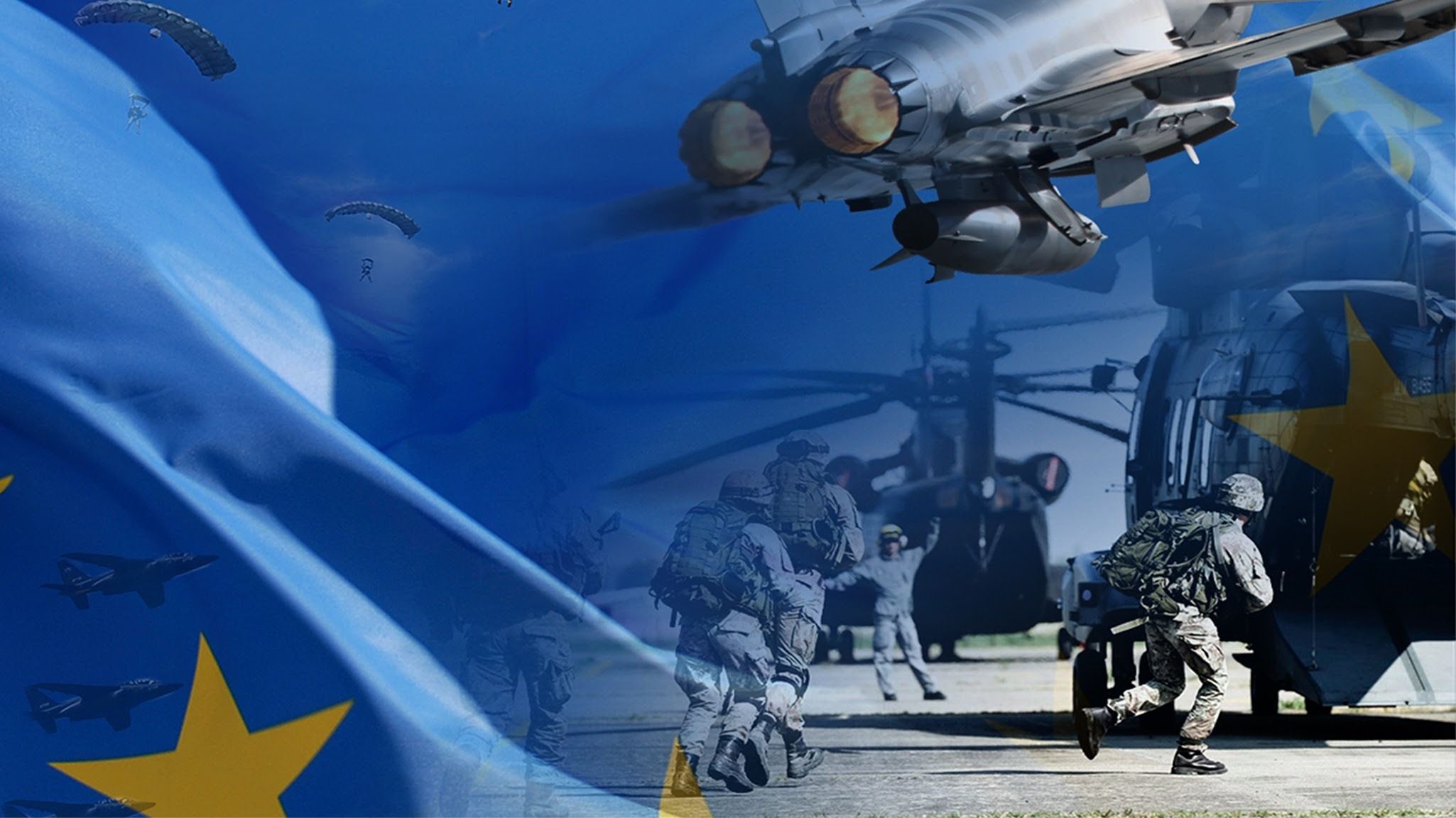
Commission invests over €1 billion in 54 ambitious defence industrial projects through the European Defence Fund

  1. Fighting organised crime

Ever since the start of this mandate, the Commission has stepped up efforts to fight drug trafficking and organised crime. The Commission has launched several different initiatives, including the EU Strategy to tackle organised crime 2021-2025 and EU Drugs Strategy 2021-2025.

In October 2023, the Commission put in place the EU Roadmap to fight drug trafficking and organised crime, with 17 priority actions including an EU Ports Alliance that was launched in January 2024 to strengthen the resilience of ports. The Commission also reinforced the mandate of the future EU Drugs Agency and strengthened cooperation between law enforcement authorities in Member States and with Latin American countries.

Other areas of organised crime that have been addressed in recent years include cybercrime, migrant smuggling and trafficking in human beings, illegal trafficking of drugs and other goods, environmental crime, economic and financial crime and corruption. The Commission proposed in May 2023 new and strengthened rules criminalising corruption offences and harmonising penalties across the EU. Furthermore, the European Public Prosecutor’s Office began its operations in 2020. By end 2023, it was already investigating almost 2 000 cases of crimes affecting the EU budget.

  1. Strengthening law enforcement and judicial cooperation

The Commission has strengthened cooperation between law enforcement and judicial authorities across the EU, notably through the legal framework on police cooperation adopted in 2024, which upgraded the key tools available to improve cross-border operations in the EU. This includes new rules on information exchange and a revision of the Prüm framework on automated data exchange for police cooperation, new rules on Advanced Passenger Information and a stronger role for Europol. This will strengthen the prevention, detection, investigation and prosecution of terrorist offenses and serious crimes. The new rules on the transfer of proceedings in criminal matters will help prevent inefficient duplication of proceedings and avoid cases of impunity.

  1. Strengthening security cooperation with international partners

During this mandate, the Commission acted quickly to pre-empt internal security threats stemming from Russia’s war of aggression against Ukraine including through the establishment of a support hub for internal security and border management in Moldova. The current situation in the Middle East also has a potential impact on the EU’s internal security. In order to support investigations related to terrorist financing, the Commission also established a network of counter-terrorism financial investigators in 2021. The network, chaired by the Commission, supports exchanges among Member States’ investigators on techniques and experiences in tackling terrorism financing. The EU has boosted cooperation with partner countries, works closely with the UN, and has expanded its cooperation with NATO.

  1. Working with EU agencies to implement the Security Union

EU agencies and bodies in justice, home affairs and cybersecurity, such as Europol, Eurojust, ENISA, Frontex or EPPO, but also sectorial agencies (the EU Drugs Agency, the Anti-Money Laundering Authority, the EU Aviation Safety Agency, the European Maritime Safety Agency, and the European Fisheries Control Agency) have proven instrumental in supporting the implementation of this robust EU security framework. Enhanced cooperation between agencies has led to concrete operational results, contributing to enhancing the overall security in Member States.

More information: European Commission

Seventh Progress Report on the implementation of the EU Security Union Strategy

Factsheet: EU Security Union – key achievements

European Security Union – European Commission (europa.eu)

Publicaciones relacionadas:

Ursula Von der LeyenAn EU approach to enhance economic security cambio climáticoEU proposes comprehensive new on Climate-Security nexus bandera españa europaSeptember infringement proceedings package concerning Spain: main decisions How the European Commission is tackling the spread of disinformation 20th European Remembrance Day for Victims of Terrorism

Defence & Security,  EU News,  Institutional Affairs,  International Safety and Defence Politics Comision Europea,  European Commission,  European Union,  Security Union

“This is a space for debate. All comments, for or against publication, that are respectful and do not contain expressions that are discriminatory, defamatory or contrary to current legislation will be published”.

Reader Interactions

Leave a Reply Cancel reply

Your email address will not be published. Required fields are marked *

This site uses Akismet to reduce spam. Learn how your comment data is processed.

Primary Sidebar

Footer

  • CDE Almería
  • Biblioteca Nicolás Salmerón – Universidad de Almería
  • Planta: 1ª, Despacho: 1.05.0B.
  • Ctra. Sacramento s/n. Almería (Spain)
  • Teléfono: (+34) 950 015266

HOME
NEWS
DOCUMENTATION
EUROPE ON THE NET
ABOUT US

  • LEGAL NOTICE
  • PRIVACY POLICY
  • COOKIE POLICY
  • ACCESSIBILITY
  • SITEMAP

Copyright © 2026 CDE Almería · Creative Commons LicenseThis work is licensed under a Creative Commons Attribution-NonCommercial 4.0 International License.

<p>El Centro de Documentación Europea de la Universidad de Almería utiliza cookies propias y de terceros para facilitar al usuario la navegación en su página Web y el acceso a los distintos contenidos alojados en la misma. Asimismo, se utilizan cookies analíticas de terceros para medir la interacción de los usuarios con el sitio Web. Pinche el siguiente enlace si desea información sobre el uso de cookies y como deshabilitarlas. </p>

Politica de privacidad

El Centro de Documentación Europea de la Universidad de Almería utiliza cookies propias y de terceros para facilitar al usuario la navegación en su página Web y el acceso a los distintos contenidos alojados en la misma. Asimismo, se utilizan cookies analíticas de terceros para medir la interacción de los usuarios con el sitio Web. Pinche el siguiente enlace si desea información sobre el uso de cookies y como deshabilitarlas. <a href="/politica-de-cookies" rel="noopener" target="_blank">Más información</a>

Cookies estrictamente necesarias

Las cookies estrictamente necesarias tiene que activarse siempre para que podamos guardar tus preferencias de ajustes de cookies.

Básicamente la web no funcionara bien si no las activas.

Estas cookies son:

  • Comprobación de inicio de sesión.
  • Cookies de seguridad.
  • Aceptación/rechazo previo de cookies.
Cookies de terceros

Esta web utiliza Google Analytics, Google Tag Manager y Yandex Metrika para recopilar información anónima tal como el número de visitantes del sitio, o las páginas más populares.

Dejar estas cookies activas nos permite mejorar nuestra web.

Política de cookies

Pinche el siguiente enlace si desea información sobre el uso de cookies y como deshabilitarlas. Más información