
The European Commission has adopted a proposal for the creation of an interinstitutional Ethics Body, covering members of EU institutions, as announced at the beginning of the mandate by President von der Leyen, and following informal consultations with the other institutions. With the establishment of the Ethics Body there will, for the first time, be common standards for ethical conduct of members and a formal mechanism for coordination and exchange of views on ethical requirements among institutions.

Thanks to these changes, EU politicians will be subject to common, clear, transparent and comprehensible standards.
The standards will relate to several fields:
- acceptance of gifts, hospitality and travel offered by third parties: standards will also apply to the acceptance of awards, decorations, prizes or honours.
- conditionality and transparency measures, in particular for meetings with interest representatives: the Commission, the European Parliament and the Council already have common standards as regards meetings with interest representatives and their publication thanks to the Transparency Register. Standards will be expanded to include, for example, access to institutions’ premises.
- interests and assets to be declared, establishing the categories, as well as the procedures applied to check these declarations.
- side or external activities, in order to ensure that members’ availability and independence is not compromised.
- post-mandate activities of former members, establishing conditions, and transparency requirements.
- implementation of the common framework, including on monitoring compliance and follow-up, also as regards possible cases of harassment and sanctions, in case of breaches within each institution.
- on the publicity of information: each institution will need to make public how they apply the standards.
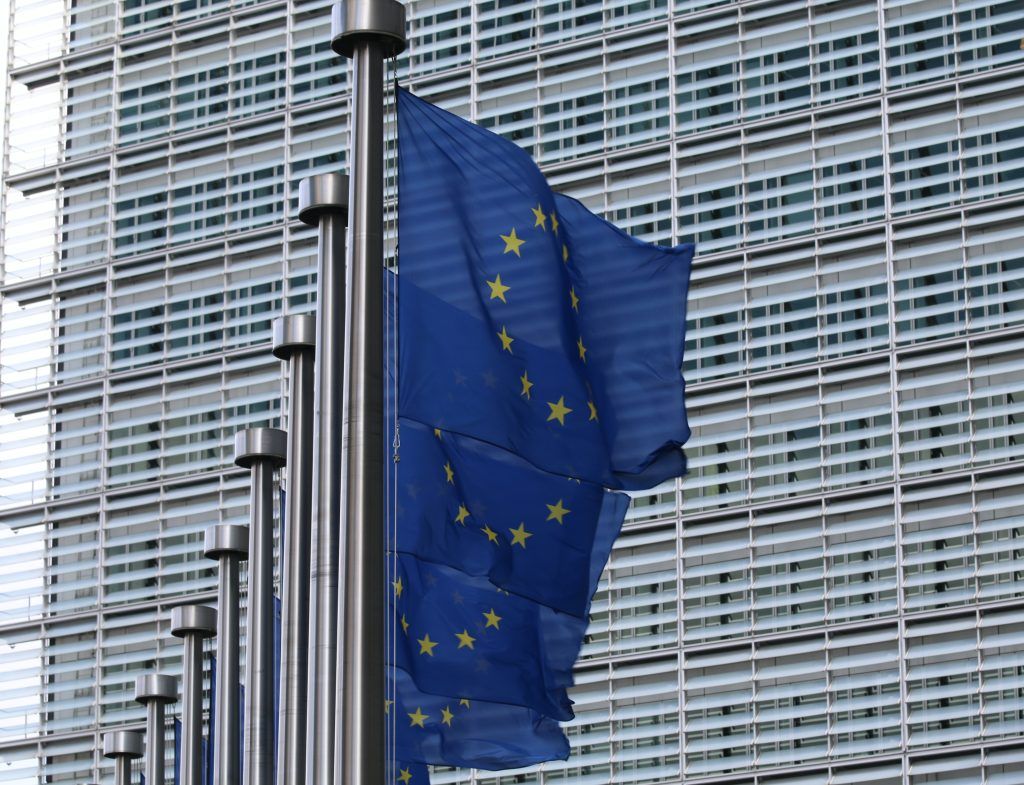
According to the latest Eurobarometer, citizens are aware of the impact of the EU on their lives |
While the Treaties lay down the general rules and principles of conduct, most institutions have detailed them in their own rules of procedure or Codes of Conduct. This has resulted in fragmentation among the institutions’ ethical frameworks, with rules being complex and scattered. While some differences can be explained by the different roles of each institution and by the different risks inherent to different duties, it has become clear that a common culture of ethics, through common high standards and cooperation among institutions, is needed. Once adopted, the Ethics Body will fill this gap by providing common and clear ethical standards for EU institutions.
The new Body will have three main tasks:
- Develop common minimum standards – explained above – applicable to the members of participating EU Institutions and bodies, as well as updating them when needed. They will serve as a minimum baseline, and each institution remains free to apply even stricter internal rules, but the standards cannot be used to lower existing rules.
- Exchange of views on each institution’s internal rules in light of the standards to allow them to learn and benefit from each other’s experience.
- Promote a common ethics culture of all members of EU institutions, facilitating the public understanding of the framework both to those inside and outside the institutions. Transparency will apply also to the application of these rules in the institutions.
All this will be done in a manner that is transparent and accessible to the public. Other Union bodies, offices and agencies will have the possibility to voluntarily apply the entire set of common standards and participate in exchanges of views.
The new ethics body will not deal with individual investigations, it will neither interfere with, or limit in any way, the investigations of well-established existing bodies. Under the treaties, this is the responsibility of the European Public Prosecutor’s Office (EPPO) as well as national police and judicial authorities, for criminal cases affecting Union’s financial interests. It is the responsibility of the European Anti-Fraud Office (OLAF) for irregularities and breaches of professional duties, of the Ombudsman for cases of maladministration and of each institution when it comes to any breach of their respective rules.
More information: European Commission
Publicaciones relacionadas:
 EU Cohesion Policy: €37.3 billion to Spain
 10 milestones of 2022 in the European Union
 Josep Borrell arrives in Colombia to strengthen relations with Latin America and the Caribbean
 UNGA 77: EU Delegation to defend rules-based order
 EU increases support to the protection of human rights defenders worldwide
Leave a Reply